
A tunnel, a tree-lined descent, and a bright open stretch can change light in seconds. Photochromic lenses react to ultraviolet light, shifting from clear indoors to darker outdoors, so one pair covers changing conditions without swapping lenses. The picks below compare frame weight, coverage, polarization, and fit for cycling, driving, running, and trail use. Check lens range, temple fit, and ventilation against the routes and weather that matter most.
A Side-By-Side Look

JOOX Polarized Photochromic Sunglasses JX2775
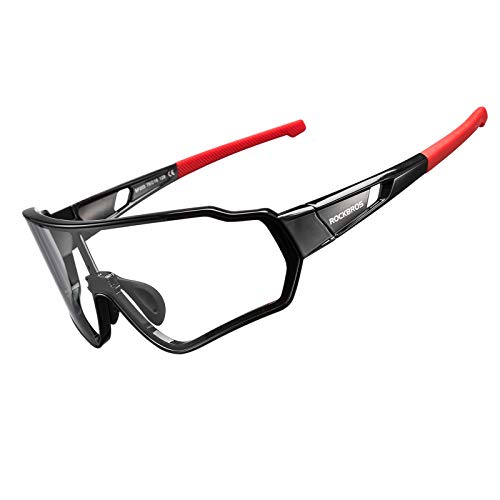
ROCKBROS Photochromic Sunglasses UV400 Sport Lightweight

KAPVOE Photochromic Cycling Glasses K9022

Tifosi Optics Moab Sunglasses Clarion Red Fototec

VOZAPOW Photochromic Cycling Glasses TR90 Frame
GONTSAM Polarized Cycling Glasses Photochromic Effect
BangLong Photochromic Sports Sunglasses TR90

ROCKBROS 26g Photochromic Cycling Sunglasses Black
The Details Behind The Selections
An aviator shape with a wrap-around form gives the JX2775 a different feel from the sport shields later in this list. That shape suits drivers and travelers who want a classic frame that also adapts outdoors. The stated 10-second darkening speed makes the transition feel quick on a sunny walk between errands.
Photochromic means the lens reacts to ultraviolet light, not simply to visible brightness. Polarization, a filter that cuts reflected glare, pairs with UV400 coverage for water and road surfaces. A windshield blocks most ultraviolet light, so the lens may stay lighter inside a car, a practical limit to plan around on long drives.
What Earns Its Place
- Polarized lens cuts reflected glare from roads and water
- UV400 coating blocks UVA and UVB rays up to 400nm
- Stainless steel frame with soft nose pads for comfort
- Gift-ready set includes pouch, cloth, and glasses box
- 90-day after-sales service stated by the brand
Things To Consider
- Darkening slows behind a windshield that blocks UV light
- Aviator styling offers less side coverage than a cycling shield
At 29 grams, this ROCKBROS pair targets riders who notice frame weight on long efforts. The 170mm frame width and 150mm temple length give a concrete fit check before ordering. Air vents in the temples add airflow, a small detail that matters on warm climbs.
Visible light transmission, the share of light passing through the lens, runs from 83 percent clear to 21 percent darkened. That range keeps the lens fairly light indoors while still darkening in strong sun. Polycarbonate lenses and a TR frame, a flexible thermoplastic, keep the build light and easy to wipe clean.
Everyday Advantages
- 29g weight reduces pressure during long rides
- Anti-slip nose pads and silicone temples hold position
- Stated transmission range helps compare tint depth
- Vent holes support airflow at cycling speeds
Worth Noting
- Darkened state at 21 percent stays lighter than darker shields
- 170mm width may feel wide on smaller faces
Who It Suits Best
Cyclists and runners who prioritize low weight and a clear-to-dark range over a deep sunglass tint.
Where Another Pick Suits Better
Tifosi Optics Moab Sunglasses Clarion Red Fototec suits riders who want a taller vented shield and stronger contrast on bright trails.
The K9022 stands out through its included myopia frame, an insert that holds prescription lenses behind the outer lens. That setup gives prescription wearers a route that many sport frames lack. Flexible temples and soft rubber nose clips help the frame adapt across face shapes.
TR90 frames bend rather than snap under pressure, and polycarbonate lenses resist impact while staying light. UV400 coverage blocks 99.99 percent of UVA and UVB rays in the stated specification. For mountain biking, the wrap-around form helps shield against wind and trail debris.
Positive Points
- Included myopia frame supports prescription lens fitting
- TR90 frame flexes to suit different face shapes
- Soft rubber nose pads add grip on rough trails
- Polycarbonate lens balances clarity and impact resistance
Trade Offs
- Prescription inserts require separate lens fitting
- Rectangular shape differs from taller shield designs
A tall shield lens sets the Moab apart from the lighter frames earlier in this list. Medium to large sizing fits most adult riders, and wraparound coverage blocks wind and debris on gravel and singletrack. The Clarion Red Fototec lens shifts from nearly clear to a smoke tint with a red mirror.
Visible light transmission spans roughly 14 to 64 percent, giving a wider stated range than several rivals. Vents increase airflow to reduce fogging on climbs, and the Clarion coating helps shed water and sweat. At 31 grams, the Grilamid TR-90 frame stays light under a helmet.
Real Benefits
- Vented shield reduces fogging during climbs and stops
- Hydrophilic pads grip more firmly as sweat increases
- Adjustable ear pieces help fine-tune the fit
- Shatterproof polycarbonate lens suits rough trails
- 100 percent UVA and UVB protection stated
Minor Gripes
- Medium to large shield may overwhelm smaller faces
- Red mirror tint changes color perception on trails
An XL lens and full frame give this VOZAPOW pair a broader field of view than compact sport frames. The larger lens suits riders who dislike gaps at the edges during fast descents. At 36 grams, the TR90 frame bends for storage and stays light during long wear.
Polarized photochromic lenses adjust brightness with ultraviolet intensity across activities from golf to tennis. A non-slip nose pad follows face contours to spread pressure across the bridge. The rectangular wrap shape works across cycling, hiking, running, and beach use.
Useful Highlights
- XL lens provides wider coverage for fast movement
- 36g TR90 frame balances flexibility and low weight
- Polarized lens reduces glare in bright conditions
- Non-slip nose pad improves stability during activity
Points To Note
- XL sizing may feel large on narrower faces
- Stated tint range lacks specific transmission percentages
Made For
Athletes who switch between several sports and want one larger wrap frame for varied outdoor days.
Consider Something Else When
ROCKBROS 26g Photochromic Cycling Sunglasses Black suits riders who prefer a lighter 26g frame with a stated transmission range.
Gentle tint change defines this GONTSAM pair, with gradual adjustment rather than dramatic darkening. That approach suits riders who prefer steady comfort over a strong sunglass effect. Polarization targets reflected glare from roads, water, and snow.
Anti-fog coating helps in humid or winter conditions, a clear contrast with non-coated lenses earlier in this list. TAC lenses, a type of optical plastic, add impact resistance and a scratch-resistant coating. Care matters here, since cleaning solutions may damage the coating and cause haze.
Everyday Perks
- Anti-fog coating supports humid and winter riding
- Polarized TAC lens cuts reflected glare
- Hollow TR frame flexes across face shapes
- Scratch-resistant coating helps maintain clarity
Softer Spots
- Gentle tint change may feel too light in strong sun
- Lens care requires rinsing with clean water only
- Cleaning solutions may damage the lens coating
At 26 grams, this BangLong pair matches the lightest frames in this group while adding adjustable fit details. Three-level nose pads let wearers raise or lower the frame position. Non-slip silicone temples help hold the glasses during running and cycling.
Ventilated air holes aim to limit fogging, and impact-resistant polycarbonate lenses handle trail knocks. The package includes a hardshell case, pouch, and cleaning cloth, which helps protect the lens between rides. UV400 coating blocks 99.9 percent of UVA and UVB rays in the stated specification.
Where It Delivers
- 26g TR90 frame supports all-day wear
- Three-level adjustable nose pads refine fit
- Air-hole design helps limit fogging
- Hardshell case, pouch, and cloth included
- Non-polarized lens keeps colors natural for some riders
Small Caveats
- Non-polarized lens offers less glare control on water
- Hexagonal shape may not suit every face
Right Fit For
Runners and cyclists who want adjustable nose fit and a full accessory set for storage.
Not Your Match When
GONTSAM Polarized Cycling Glasses Photochromic Effect suits riders who prioritize polarized glare control and anti-fog coating over adjustable nose pads.
This second ROCKBROS entry trims weight to 26 grams and widens the stated tint range. Transmission moves from 85 percent clear to 15 percent dark grey, a deeper low end than the earlier ROCKBROS model at 21 percent. That shift suits bright, sustained sun on long rides.
Wrap-around coverage blocks dust and wind, while silicone nose pads and elastic temples hold a stable fit. Polycarbonate lenses with UV400 coating provide full ultraviolet protection in the stated specification. The design also suits running, fishing, driving, climbing, and hiking.
The Practical Payoff
- 26g weight reduces pressure on long outdoor sessions
- 85 to 15 percent range covers clear to dark conditions
- Wrap-around design blocks dust and wind
- Silicone pads and elastic temples improve stability
Areas To Watch
- Dark grey end state may feel heavy in mixed shade
- Regular fit may need checking against face width
What Matters Most Before Choosing Bike Glasses Photochromic
Tint Range and Polarization
Visible light transmission shows how much light passes through the lens. A range such as 85 to 15 percent gives clearer indoor use and a darker outdoor state than a gentler shift. Polarization cuts reflected glare, which helps on wet roads and water, while non-polarized lenses preserve a more natural view for trail contrast.
Fit, Weight, and Coverage
Frame weight under a helmet or during a run changes comfort over hours. Check frame width, temple length, nose pad adjustment, and ear piece options against face shape. Wrap-around and shield designs block wind and debris better than aviator frames, while XL lenses reduce edge gaps at speed.
Ventilation and Lens Care
Vents and anti-fog coatings matter on climbs, in humidity, and during winter rides. Some coatings require rinsing with clean water only, so care instructions deserve a close look before purchase. Storage needs also differ, since several picks include a pouch, cloth, or hardshell case.
Prescription and Activity Fit
Prescription wearers should check for a myopia insert or a frame that accepts corrective lenses. Road riders may favor a tall vented shield, mountain bikers may favor impact-resistant polycarbonate, and drivers may favor polarized aviator styling. Matching the frame shape to the main activity prevents a poor fit later.
Key Considerations Across These Picks
Common Shopping Slip Ups
Many shoppers compare tint labels without checking transmission percentages or windshield limits. A lens that darkens quickly outdoors may stay light in a car, since glass blocks ultraviolet light. Checking care rules for anti-fog coatings also prevents coating damage.
What The Higher Tier Buys
Higher-tier frames often add vented shields, adjustable ear pieces, hydrophilic grip pads, and wider transmission ranges. Those details help on long, sweaty, or fog-prone rides. Simpler frames still suit short rides and mixed daily use.
Frequently Asked Questions
Do photochromic cycling glasses darken behind a car windshield?
Darkening may stay limited inside most cars because windshields block most ultraviolet light. Outdoor use gives the lens the ultraviolet exposure needed for a fuller tint change.
What does UV400 mean on these glasses?
UV400 means the lens blocks ultraviolet rays up to 400 nanometers. That range covers UVA and UVB rays linked to eye exposure outdoors.
Are polarized lenses better for cycling?
Polarized lenses reduce reflected glare from roads, water, and snow. Non-polarized lenses may suit trail riders who want natural color and contrast.
Which frame weight feels best for long rides?
Frames near 26 to 31 grams place less pressure on the nose and ears. Adjustable nose pads and ear pieces help distribute that weight across the face.
Can prescription wearers use photochromic sport frames?
Some frames include a myopia insert for prescription lenses. Checking the package contents before ordering confirms that option.
Final Verdict
For a tall vented shield, the Tifosi Optics Moab Sunglasses Clarion Red Fototec offers a strong trail-focused option. For prescription support, the KAPVOE Photochromic Cycling Glasses K9022 adds a useful insert. Match tint range, fit, and ventilation to the main routes, and the right pair becomes clear.