
A fixed gear build lives or dies on fit and alignment. Horizontal rear dropouts let the rear wheel slide to set chain tension, while a steep frame angle keeps the ride responsive in traffic. The picks below mix complete bikes, carbon wheels, and small frame parts, so a build can be matched to a commuter route, a track session, or a travel day.
A Side-By-Side Look

Origin8 Lightweight Alloy Chain Tensioner 3/8 Axles

Golden Cycles Fixed Gear Bike with Brakes

WenTigDY Derailleur Hanger Universal 2.53×1.66
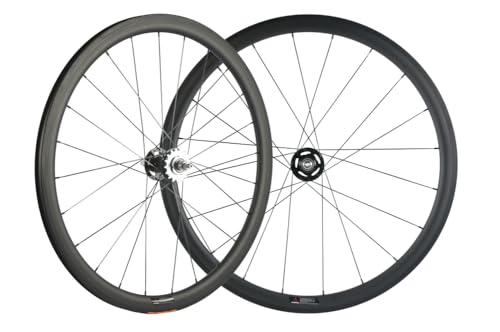
SUPERTEAM Fixed Gear Wheelset 700C Carbon 38MM

SUPERTEAM Fixed Gear Wheel 700C Carbon 88MM Rear

SUPERTEAM Full Carbon Tri Spokes Wheelset Fixed Gear

ORUCASE Universal Bike Frame Protection Kit 7-Pcs
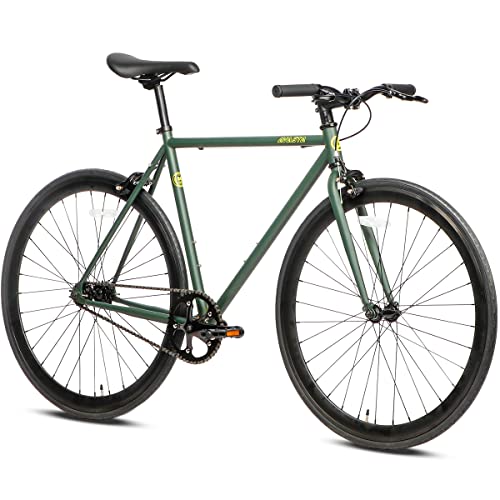
AVASTA Single-Speed Fixed Gear Fixie Bike Flip Flop Hub
The Picks, Examined More Closely
Chain tension is the quiet detail that decides whether a fixed gear drivetrain feels smooth or noisy. This Origin8 unit suits frames with horizontal dropouts, where the axle moves back to tighten the chain, and it helps keep that setting steady. Its slim profile stays close to the dropout, so the look of the frame stays clean.
Forged alloy construction keeps the part light at 1.76 ounces, and a chromoly adjustment bolt handles the tightening load. Compatibility is narrow by design: 3/8-inch solid axles only, which matches many single-speed builds. In our view, that precision is the point, since a tensioner built for a different axle size will not seat correctly.
A Strong Showing
- Forged alloy body keeps weight low at 1.76 ounces
- Chromoly bolt provides firm adjustment strength
- Low-profile shape avoids visual clutter near the dropout
- Quick tension setting for single-speed and fixed gear use
Things To Consider
- 3/8-inch solid axle requirement limits frame compatibility
- Single unit design means a matching pair needs separate planning
A complete bike removes the guesswork of sourcing a frame, wheels, and drivetrain separately. This Golden Cycles model targets teens and adults riding to work or school, with 700C wheels and a flip-flop hub. A flip-flop hub is a rear hub that can run fixed gear on one side and freewheel on the other, so the ride style can change by flipping the wheel.
Front and rear U-brakes add control in city traffic, unlike a brakeless track setup. Frame sizes run from 41 cm to 63 cm, with standover heights listed from 27 to 34 inches for sizing. You get a choice between fixed gear and single-speed freewheel, which makes the bike easier to learn on.
Advantages To Know
- Flip-flop hub allows fixed gear or freewheel riding
- Front and rear brakes support urban stopping control
- Seven frame sizes cover a wide height range
- 700C wheels suit commuting and city routes
- Adjustable seat helps dial in riding position
Trade Offs
- Complete-bike format limits frame-only customization
- Size choice depends on matching standover height carefully
- Single-speed setup suits flat urban routes best
A derailleur hanger is the small replaceable plate between frame and rear derailleur. Its job is to take damage first, so a bent hanger can be swapped instead of repairing the frame itself. This universal aluminum version fits a maintenance-minded build where a spare part keeps a frame in service.
Dimensions are listed at 2.53 by 1.66 inches, with an M9 thread and silver aluminum alloy construction. Shape and size need a direct comparison against the original part before ordering, since universal fit depends on matching the outline. Depending on frame spacing and bolt position, that check takes a few minutes with the old hanger in hand.
The Good Stuff
- Aluminum alloy construction allows controlled bending
- Replaceable design protects the frame during impacts
- Universal shape suits many bicycle frames
- Mounting screw included with the hanger
Minor Gripes
- Fit depends on comparing size and shape to the original
- Fixed gear frames without a derailleur may not need this part
Who It Suits Best
Home mechanics keeping a geared or convertible frame running after a knock.
Where Another Pick Suits Better
Origin8 Lightweight Alloy Chain Tensioner 3/8 Axles suits fixed gear builds that need chain tension control instead of a derailleur mount.
Wheel choice changes how a fixed gear frame feels on acceleration and rough pavement. This carbon pair uses a 38 mm rim depth in the listed configuration, a middle ground between shallow climbing rims and deep aero sections. Carbon fiber here means a composite rim structure aimed at low weight with firm strength.
Hub spacing is 9×100 mm at the front and 10×120 mm at the rear, with a 17-tooth cog included for single-speed use. A basalt braking surface pairs with caliper brakes, and the 2:1 spoke weave is designed to improve stiffness and stability. You can match this pair to a frame with 120 mm rear spacing, which is common on track-style builds.
What Helps Most
- Carbon rim construction keeps the pair light for acceleration
- 38 mm depth balances speed with crosswind handling
- 17-tooth cog included for fixed gear setup
- Basalt braking surface suits rim brake frames
- 2:1 spoke pattern supports wheel stiffness
Small Caveats
- 120 mm rear spacing requires a matching frame
- Clincher format needs compatible 700C tires
A single rear wheel upgrade makes sense when the front wheel already suits the build. This 88 mm deep carbon rear wheel brings a strong visual and aerodynamic profile to a fixed gear frame. A clincher rim is a rim that holds a tire with a bead and inner tube, which keeps tire changes familiar.
The hub uses 10×120 mm spacing with a 17-tooth cog, and the rim width measures 23 mm outside and 16 mm inside. Included items list brake pads, extra spokes and nipples, rim tape, and a valve extender. Assuming a standard track spacing frame, this wheel slots into a build focused on speed and style.
Well-Handled Touches
- 88 mm rim depth gives a deep-section rear profile
- Carbon construction keeps the rear wheel light at 1190 grams
- 17-tooth cog included for fixed gear use
- Extra spokes, nipples, and rim tape included
Points To Note
- Rear-only format requires a separate front wheel
- Deep rim can feel more affected by strong crosswinds
- 120 mm spacing must match the frame
Made For
Riders upgrading a fixed gear build with a matching front wheel already in place.
Consider Something Else When
SUPERTEAM Fixed Gear Wheelset 700C Carbon 38MM suits riders who need a complete pair rather than a rear-only wheel.
Tri-spoke wheels change the character of a fixed gear build in a way a standard spoked pair cannot. The three-blade carbon design pairs with a 3k matte finish and a basalt braking surface for rim brake frames. That look suits a show build or a track-day setup where style and speed share the stage.
Fixed gear hub spacing is 9×100 mm front and 10×120 mm rear, with a 17-tooth single-speed cog included. Your frame needs that 120 mm rear spacing for a clean fit, and the clincher format works with 700x23C tires. Road hub spacing at 10×135 mm with quick release is also listed for other builds.
The Helpful Details
- Full carbon tri-spoke design creates a distinct build look
- Basalt braking surface suits rim brake setups
- 17-tooth cog included with fixed gear hub
- Brake pads included with the wheelset
- 3k matte finish gives a clean, woven appearance
Areas To Watch
- Tri-spoke shape is a style-led choice over a spoked pair
- Fixed hub uses nuts and screws rather than quick release
Frame protection matters most on travel days, when a bike goes into a bag or case and tubes can knock against other parts. This seven-piece kit pads the top tube, down tube, seat tube, fork, seatpost, crank area, and rear triangle. Compression molded foam gives each piece a shaped, reusable form.
Each section is trimmable for frames from XS to XL, and hook and loop straps can be placed around different geometries. The full set weighs 2 lbs, which keeps travel weight modest. In our view, reusable padding beats disposable wrapping for riders who fly with a bike more than once a year.
Real Benefits
- Seven shaped pieces cover main frame tubes and rear triangle
- Reusable foam avoids repeated disposable wrapping
- Trimmable sections fit road, gravel, and mountain frames
- Hook and loop straps adapt to different tube shapes
- 2 lb total weight keeps the kit easy to pack
Practical Considerations
- Padding works with a travel bag or case, not as a case alone
- Trimming may be needed for a close fit on smaller frames
Right Fit For
Frequent travelers carrying a road, gravel, or mountain bike by air.
Not Your Match When
Golden Cycles Fixed Gear Bike with Brakes suits riders who need a complete bike rather than frame protection for travel.
Daily commuting puts a premium on simple setup and predictable sizing. This AVASTA bike arrives 90% assembled, with tools included and setup listed at about 15 minutes. A high-strength carbon steel frame, flat handlebar, and 700x28C tires form the core of the build.
Frame sizes are 50, 54, and 58 cm, mapped to rider heights from 5’1″ to 6’3″. You can flip the rear wheel between fixed gear and freewheel modes, and dual brakes are fitted for city control. Your height check against the size chart matters more than color choice here, since standover and reach shape comfort on a daily route.
Strengths Worth Knowing
- Flip-flop hub switches between fixed gear and freewheel
- 90% assembled arrival with tools included
- Three frame sizes cover riders from 5’1″ to 6’3″
- 700x28C tires and 40 mm deep V rims for urban roads
- KMC chain and dual brakes support daily commuting
Potential Drawbacks
- Carbon steel frame adds weight compared with lighter frame materials
- Single-speed format suits flat city routes best
What Matters Most Before Choosing a Fixed Gear Frame
Rear Spacing and Dropout Style
Rear hub spacing decides wheel compatibility in seconds. Track-style frames use 120 mm spacing, while road frames often use 130 or 135 mm. Horizontal dropouts allow chain tension adjustment by moving the axle, and vertical dropouts rely on a tensioner or eccentric hub.
Frame Size and Standover
Size charts use frame height in centimeters and standover height in inches. A frame that is too tall limits braking control and makes starting from a stop awkward. Match the chart to height first, then check standover as a secondary fit signal.
Hub Type and Brake Choice
A flip-flop hub gives fixed gear and freewheel options on one wheel. A dedicated fixed hub keeps the drivetrain simple for riders committed to fixed gear. Front and rear brakes add control for mixed traffic, while a brakeless setup suits closed-course riding.
Wheel and Tire Format
700C wheels dominate road and fixed gear builds, with rim depth shaping speed and handling. Clincher rims use a tire bead and inner tube, while deeper carbon rims change crosswind feel. Tire width, such as 23C or 28C, affects comfort on rough pavement.
Key Considerations Across These Picks
Common Shopping Slip Ups
Ordering a wheel before checking rear spacing causes the most avoidable returns. You can avoid that mismatch by confirming 120 mm, 130 mm, or 135 mm spacing against the frame before choosing a wheelset.
Where The Extra Money Goes
Carbon rims cost more because layup, molding, and inspection add production steps. The payoff shows up in lower wheel weight and a stiffer rim, which matters most for riders chasing acceleration on a fixed gear build.
Frequently Asked Questions
What rear spacing do fixed gear frames use?
Track-style fixed gear frames commonly use 120 mm rear spacing. Road-style frames may use 130 mm or 135 mm, so spacing needs a direct check before ordering wheels.
What does a flip-flop hub do?
A flip-flop hub lets the rear wheel run fixed gear on one side and freewheel on the other. Flipping the wheel changes the ride style without changing the hub.
Why does a fixed gear frame need horizontal dropouts?
Horizontal dropouts let the rear axle slide backward to set chain tension. That adjustment replaces a rear derailleur for taking up chain slack.
Are carbon wheels worth it for city riding?
Carbon wheels reduce rotating weight and can improve acceleration on smooth roads. Their value rises for speed-focused builds and falls for riders prioritizing simple maintenance.
What size fixed gear frame should be chosen?
Frame size should match rider height using the listed centimeter size and standover height. Your measurements against the chart give a better starting point than a general size label.
Closing Remarks
For a complete commuter, the AVASTA bike and the Golden Cycles bike cover sizing and brake needs in different ways. For a custom build, matching 120 mm spacing, a 17-tooth cog, and the right rim depth matters more than brand. You can narrow the list by starting with frame spacing, then size, then wheel style.