
A helmet that moves between a bicycle, a scooter, and a skateboard solves a storage problem for households with several riders. The shell shape matters for impact coverage, while the liner and strap decide whether a helmet stays put during a ride. Head circumference is the starting point, because a size taken one inch above the eyebrows gives a clearer match than age alone. The six options below differ in sizing ranges, liner systems, and vent placement, so the right choice depends on the sports involved and the head size involved.
The Essentials At A Glance

OutdoorMaster Skateboard Cycling Helmet Two Removable Liners L Black
OutdoorMaster Skateboard Cycling Helmet Multi-Sport Ventilation
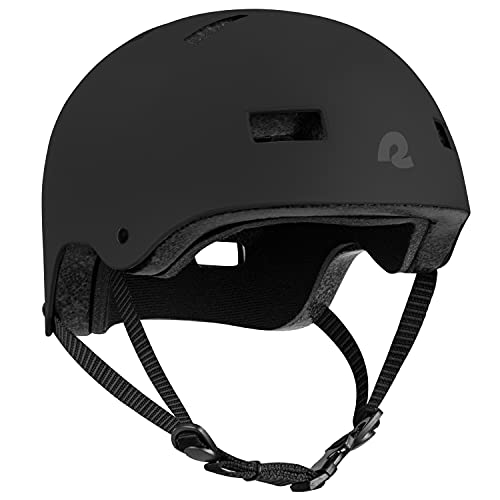
Retrospec Dakota Bike Helmet Adults 10 Vents ABS Shell

80SIX Triple Multisport Helmet Bike Scooter Skateboard
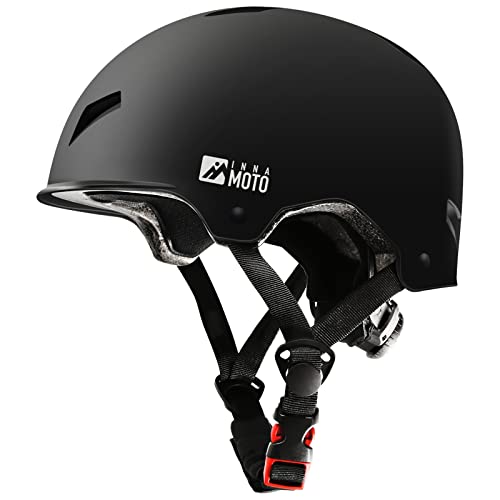
innamoto Skateboard Helmet Adults Kids Multi-Sport Ventilated

Triple Eight Sweatsaver Helmet Skateboarding BMX Bike
Taking A Closer Look At The Options
The OutdoorMaster in size L suits riders whose head measurement falls between 54 and 58 cm. A rear dial tightens the shell while an adjustable chin strap holds the position, and that pairing helps on a bicycle commute or a skate park session.
ABS is a hard plastic used for the outer shell, and EPS is expanded polystyrene foam inside the shell that absorbs impact energy. Two removable liners allow a swap between a thinner and thicker fit, and each liner can be washed after sweaty rides. In our view, the washable system matters most for households sharing one helmet across sports.
What Works In Its Favor
- Two removable liners support different head sizes and cleaning
- Rear dial plus chin strap gives two points of adjustment
- ABS shell with EPS core covers cycling, skating, and BMX use
- Ventilation channels support longer warm-weather rides
Things To Consider
- Size L fits a narrow measurement band, so a tape check matters before ordering
- Age guidance starts at five years, which excludes younger children
OutdoorMaster Skateboard Cycling Helmet Two Removable Liners L Black
Compared with the size L version above, this OutdoorMaster listing centers on the same multi-sport shell without a fixed size in the title. The structure remains familiar, with a reinforced ABS shell and a thickened EPS core for impact absorption during cycling or inline skating.
Two removable liners help with head size differences inside a household, and washing addresses sweat after school rides. A dial at the rear and a strap at the chin work together, so fine tuning takes seconds at the curb. One thing worth considering is the fit return note tied to sizing, which makes a measurement step important before a purchase.
What Helps Most
- Two liners allow a switch between snug and roomier fits
- Dial and strap adjustment help center the helmet on the head
- Multi-sport shell covers skating, cycling, BMX, and mountain biking
Worth Noting
- Sizing must be checked against head circumference before ordering
- Ventilation helps, yet a skate-style shell still traps more heat than a road cycling helmet
- Two liners need storage space when not in use
Who It Suits Best
Households with kids, youth, and adults who switch between skating and cycling during the week.
Where Another Pick Suits Better
The Retrospec Dakota Bike Helmet Adults 10 Vents ABS Shell suits adult riders who want a stated ten-vent layout.
Adult sizing gives the Retrospec Dakota a clearer boundary than the shared OutdoorMaster options. Small covers 51 to 54 cm, Medium covers 54 to 57 cm, and Large covers 57 to 60 cm, which helps match a measured circumference without guessing from age.
Ten vents spread airflow around the shell, a practical detail for an e-bike commute or a longboard session in warm weather. Removable padding wicks moisture and can be washed, and two pad thicknesses allow a closer fit. Depending on head shape, one pad set may sit flatter than the other, so trying both matters.
Useful Touches
- Ten vents support airflow during longer rides
- Three adult sizes cover 51 to 60 cm
- Washable padding helps manage sweat between rides
- Two pad thicknesses allow fit customization
- ABS shell and EPS foam pair for impact absorption
Trade Offs
- Adult sizing leaves out younger riders
- Vent count does not replace a size check at the edges of each range
Youth sizing is the clearest strength here, with ranges tied to age and circumference. The 5+ Youth size covers 49 to 52 cm, the 8+ Youth size covers 52 to 56 cm, and the 14+ Small/Medium size covers 55 to 58 cm.
That structure helps a parent match a growing rider without relying on age alone. An adjustable chin strap with a side-release buckle speeds up removal at school, and inner foam pads mold gradually with use. For most families, the snug break-in period is a reasonable trade for a closer fit over time.
The Case For It
- Three youth-oriented sizes with stated centimeter ranges
- Side-release buckle allows quick on and off
- ABS shell and EPS liner support skating and cycling
- Foam pads conform gradually to head shape
Small Caveats
- Foam break-in means the first sessions feel tighter
- Size ranges overlap, so a measurement resolves the choice between adjacent sizes
Unlike the Retrospec Dakota, this innamoto option aims at a wider household audience, from kids to adults. Adjustable nylon straps and two sets of interior padding let one shell adapt to different head shapes, which helps in a busy kitchen-table setup where gear gets shared.
Two removable liners also make cleaning straightforward after a scooter ride or a BMX session. The listed size S covers 51 to 54 cm, so a measurement still decides whether the shell sits correctly. That detail keeps the shared-use idea grounded in actual fit.
A Few Highlights
- Two padding sets allow a custom snug fit
- Removable liners simplify washing after sweaty use
- Adjustable straps help center the shell
- Lightweight ventilated shell supports several sports
Points To Note
- Size S covers 51 to 54 cm, so larger heads need a different size check
- Shared use still requires a fresh fit check for each rider
- Extra padding sets need a dry storage spot
Made For
Families sharing a helmet across cycling, skating, and scooter use with different riders.
Look Elsewhere When
The 80SIX Triple Multisport Helmet Bike Scooter Skateboard suits a child who needs a size tied directly to a youth age range.
Four sizes set this Triple Eight apart from the narrower OutdoorMaster L option. XS/S covers 51 to 54 cm, S/M covers 53 to 57 cm, L/XL covers 57 to 60 cm, and XL/XXL covers 60 to 63 cm.
Two sets of Sweatsaver pads add another layer of fit tuning, with moisture-wicking fabric against the head and dual-density foam inside. Pads feel snug at first and break in after a couple of hours of wear, a trade that favors a closer long-term fit. The shell suits skateboarding, BMX, roller derby, and cycling.
The Value In It
- Four sizes cover 51 to 63 cm
- Two pad sets allow further fit customization
- Moisture-wicking fabric helps with sweat management
- High-impact EPS foam supports skate and BMX use
- Dual-density soft foam adds cushioning inside the shell
Honest Caveats
- New pads feel very snug until break-in
- Overlapping size ranges still require a head measurement
What Matters Most Before Choosing Bike And Skate Helmet
Head Measurement First
A flexible tape or a string measured with a ruler gives a circumference about one inch above the eyebrows. That number maps directly to the size ranges listed for each helmet. Age guidance helps, yet circumference decides the shell size.
Shell Shape and Sports
A skate-style shell covers more of the head and suits skating, BMX, and scooter use. A vent-heavy shell suits cycling and commuting where airflow matters during longer rides. Matching the shape to the main sport keeps the helmet in regular use.
Liners, Pads, and Cleaning
Removable liners and washable pads matter for riders who sweat through daily sessions. Two pad thicknesses help with head shape differences, and a rear dial plus chin strap gives separate control over tightness and position. That combination helps a helmet stay centered on a long ride.
Storage and Sharing
Extra liners and pad sets need a dry place to store between rides. Shared helmets still need a fit check for each rider, because padding changes the internal shape. A quick measurement before a trip avoids a loose or tight fit on the road.
Key Considerations Across These Picks
Common Shopping Slip Ups
Relying on age alone leads to a shell that sits too high or too loose. Skipping a circumference check also causes returns, even with adjustable straps. A tape measurement takes a minute and resolves most sizing errors.
What The Higher Tier Buys
Higher-tier options add more sizes, extra pad sets, and dual-density foam for closer fit tuning. Those details help riders at the edges of a size range or those skating frequently. The upgrade pays off through fit range rather than through a different shell concept.
Frequently Asked Questions
How should head size be measured for a bike and skate helmet?
Wrap a flexible tape around the widest part of the head, about one inch above the eyebrows. Compare that circumference with the size range listed for each helmet.
Can one helmet work for cycling and skating?
Several shells on this list cover both activities, including cycling, skating, BMX, and scooters. The shell shape and vent layout still differ, so the main sport should guide the choice.
Why do some helmets include two liners or pad sets?
Extra liners change the internal fit for different head sizes and allow washing after sweat builds up. Pad sets give a thinner or thicker feel inside the same shell.
Do skate-style helmets stay cool on long rides?
Vent channels help, yet a skate-style shell generally traps more heat than a dedicated cycling helmet. Riders on long warm-weather commutes often prefer a vent-heavy design.
What should be checked before sharing a helmet?
Head circumference and pad thickness should be checked for each rider. A helmet that fits one person may sit loose or tight on another head shape.
Final Thoughts
Measure head circumference first, then match that number to a size range and a shell shape. The Triple Eight Sweatsaver Helmet Skateboarding BMX Bike offers the widest size range here, while the 80SIX Triple Multisport Helmet Bike Scooter Skateboard gives clear youth sizing. A careful fit check makes either choice work well for regular rides.