
A loose wheel at the trailhead ruins a ride faster than a flat tire. A thru axle is a thick shaft that passes through the hub centre and threads into the fork or frame, while a quick release skewer is a thinner rod with a cam lever that clamps the hub ends. Thread pitch, shaft length, and hub spacing decide whether a replacement seats cleanly. You need a match for your frame before a new axle helps at all.
This roundup separates quick release pairs, 12mm thru axles, trailer adapters, and fork mounts so each choice fits a clear job. Measure the original shaft, note the thread pitch, and check the hub standard first. Keep the original axle beside the new one during the first fitting.
A Snapshot Of The Selections

DEER U MTB Wheel Hub Quick Release Skewers 145/180 mm (Black)

ODIER Bicycle Trailer Hitch Adapter 12mm Thru Axle 167-185mm

CNC 12mm Thru Axle 142mm Thread Pitch 1.5mm
CNC 12mm Thru Axle 168mm Thread Pitch 1.0mm
CNC 12mm Thru Axle 162mm Thread Pitch 1.5mm
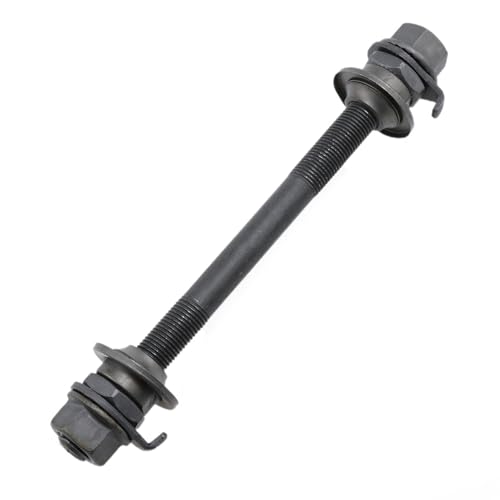
Meuey Lyot Bike Axle 140mm Front Hub Axle 3/8 Inch Steel

Alomejor Thru Axle Rear Fork Replacement 142 x 12 Thread 1.0

Bike Fork Mount Upgraded Quick Release Thru Axle with 4 Adapters
Taking A Closer Look At The Options
For older road and mountain bikes that still use cam levers, this paired set solves a simple problem. Your front and rear skewers arrive together, so a worn lever gets replaced in one job instead of two separate orders. The steel and aluminum alloy build suits road, mountain, MTB, and BMX frames listed in the details.
The front skewer measures 145mm and the rear measures 180mm, with a 4.5mm axle diameter. That split matters because front and rear dropout widths differ, and a single length would not cover both. The cam lever action gives hand tightening without extra tools, which helps trailside wheel removal.
The Helpful Details
- Front and rear skewers supplied as a matched pair
- Cam lever allows tool-free wheel removal
- Steel and aluminum alloy construction for common bike types
- Listed fit for 20 to 28 inch wheels and 6 to 8 speed road bikes
Things To Consider
- Quick release design does not suit thru axle hubs
- 145mm and 180mm lengths need checking against the originals
Trailer towing on a thru axle bike needs a different part than a standard replacement axle. You pull the original axle out, measure its shaft, and confirm thread pitch before ordering this adapter. That measuring step prevents a common mismatch between hub width and actual shaft length.
The shaft range runs from 167mm to 185mm and spacers shorten the length for a closer fit. A standard 5mm hex wrench handles installation, and the hitch itself stays separate. Compatibility lists several trailer brands, including Burley, Thule Chariot, Schwinn, and Allen Sports, though the hitch hardware remains a separate purchase.
Real Benefits
- Spacer system shortens the shaft for a closer fit
- 5mm hex installation keeps tools simple
- Listed compatibility across several trailer brands
Worth Noting
- Trailer hitch is not included in the kit
- Thread pitch and shaft length need confirming before ordering
- Hub width numbers do not equal axle shaft length
ODIER Bicycle Trailer Hitch Adapter 12mm Thru Axle 167-185mm
Who It Suits Best
Cyclists towing a trailer on a 12mm thru axle bike who can measure shaft length and thread pitch.
Where Another Pick Suits Better
For a plain axle replacement without trailer hardware, CNC 12mm Thru Axle 142mm Thread Pitch 1.5mm suits routine hub work better.
You’ll get a focused replacement for 142mm rear setups rather than a universal part. The 12mm diameter and 1.5mm thread pitch define the fit, and the 19mm thread length sits inside that spec. At 30 grams, the axle adds little weight during climbs or indoor trainer sessions.
Unlike the DEER U quick release pair, this axle uses a 6mm hex wrench and threads directly into the frame. The body uses 6061 T6 aluminum alloy with CNC machining, which explains the light weight compared with steel options. Depending on your frame, that material choice trades steel heft for aluminum lightness.
Where It Excels
- 30 gram weight keeps the rear end light
- CNC machined 6061 T6 aluminum alloy body
- 6mm hex installation without frame modification
- Specific 142mm length with 1.5mm pitch for clear matching
Trade Offs
- Single length only, so measurement matters before ordering
- Aluminum construction differs from steel axle feel and weight
Length sets this one apart from the 142mm version above. The 168mm shaft with 1.0mm pitch targets 148mm Boost rear hubs and also lists compatibility with older 142mm mountain bike setups. That longer shaft gives the thread more reach into the frame.
Weight sits at 35 grams, still light for an aluminum part. The 6061 T6 alloy body and CNC machining mirror the shorter CNC axle, so the main decision stays about length and pitch rather than build style. A 6mm hex wrench handles removal, and no frame modification is listed.
Practical Pluses
- 168mm shaft suits 148mm Boost rear hubs
- 1.0mm pitch matches a different frame group than 1.5mm versions
- 35 gram aluminum construction keeps weight low
- 6mm hex fitting with included wrench in the packing list
Minor Gripes
- Long shaft will not suit shorter rear spacing
- Pitch must match the frame exactly before ordering
Made For
Mountain bike owners with 148mm Boost spacing or listed 142mm setups who need a 1.0mm pitch axle.
Consider Something Else When
For 142mm spacing with 1.5mm pitch, CNC 12mm Thru Axle 142mm Thread Pitch 1.5mm matches the frame more directly.
Between the 142mm and 168mm CNC axles sits this 162mm option. The shaft length targets a 142mm rear opening on older mountain bikes, with 14mm of thread length listed. Your measurement of the original axle remains the deciding step here.
At 34 grams, weight stays close to the other aluminum CNC axles. The 6061 T6 material and 6mm hex fitting follow the same pattern, so pitch and length carry the decision. In our view, that consistency helps when comparing the three CNC lengths side by side.
What Stands Out
- 162mm shaft for listed 142mm rear openings
- 1.5mm pitch for frames using that thread
- 34 gram weight in CNC machined aluminum
Points To Note
- Mid length suits a narrower set of frames than 142mm
- Thread length and pitch need confirming against the original
Front hub work on traditional bikes brings a different part than a thru axle. This single steel axle measures 140mm long with a 3/8 inch diameter and a black finish. It suits mountain bikes and variable speed bikes where that front hub format applies.
Compared with the aluminum CNC axles, steel adds heft but follows the older hub standard. The listing describes precision machining and an electroplated surface, with smooth threading meant to resist slipping during tightening. One thing worth considering is the single piece quantity, since a rear axle stays separate.
Strengths Worth Knowing
- Steel construction for traditional front hubs
- 140mm length with 3/8 inch diameter
- Smooth surface and deep threading for secure tightening
Small Caveats
- Front axle only, with one piece in the package
- Traditional hub format does not fit thru axle frames
Right Fit For
Owners of traditional front hubs who need a 140mm steel axle for mountain or variable speed bikes.
Look Elsewhere When
For quick release front and rear replacement together, DEER U MTB Wheel Hub Quick Release Skewers 145/180 mm (Black) covers both ends in one set.
You get a spare rear axle aimed at 142 by 12 frames with 1.0 thread pitch. The listed shaft length is 168mm, which differs from the 142mm hub spacing number in an important way. That gap reflects the extra shaft needed to reach through the frame.
Aluminum alloy construction keeps the part compact and light for packing in a repair kit. The simple structure suits basic maintenance without complicated tools, though the exact tool size stays unspecified in the details. Compared with the CNC 168mm axle, pitch matches while the stated purpose centers on rear fork replacement.
Well-Handled Touches
- Aluminum alloy body for light weight
- Compact size for packing in a repair kit
- Simple structure for straightforward removal and fitting
Areas To Watch
- 168mm shaft length needs checking against the original axle
- 1.0 pitch limits fit to matching frames
Transport changes the job from repairing a hub to securing a fork during a trip. Your bike can mount in a truck bed, van, trailer, or on a car roof with this block. The raised design lets the quick release lever rotate without striking the surface during fitting.
Four adapter pairs cover M12x100mm, M15x100mm, M15x110mm thru axles, and 9x100mm quick release forks. Aluminum alloy construction and CNC processing form the mount body, with thickened adapters and rubber rings listed. Depending on your vehicle, the included screws and T-nuts need checking against the mounting surface before drilling or bolting.
Everyday Wins
- Four adapter pairs cover thru axle and quick release forks
- Raised lever design clears the mounting surface
- Aluminum alloy body with CNC processing
- Mounting screws and T-nuts included in the kit
- Works in truck beds, vans, trailers, and on car roofs
Honest Caveats
- Mounting bolt size needs checking before purchase
- Fork mount purpose differs from a replacement axle
Matching Axle Length, Pitch, and Hub Type
Shaft Length and Thread Pitch
Shaft length and thread pitch decide fit more than brand name. A 142mm hub spacing rarely equals a 142mm shaft, since the axle must extend past the hub into the frame. Measure the original shaft with a ruler and note pitch markings before ordering.
Hub Spacing and Frame Fit
Boost spacing, older 142mm spacing, and traditional quick release spacing each call for a different part. You can compare the original axle length against listed lengths in this roundup. A mismatch in pitch stops threading even when length looks close.
Material and Tool Needs
Steel axles follow traditional hubs, while aluminum thru axles keep weight low on modern frames. Tool size matters too, with 5mm and 6mm hex fittings appearing across these options. Keep the matching wrench in a repair kit for trailside changes.
Trailer and Transport Use
Trailer adapters and fork mounts solve transport problems rather than hub repair. Those parts need hitch compatibility or vehicle mounting checks instead of thread pitch alone. Separate the job first, then match the part to that job.
Key Considerations Across These Picks
Common Shopping Slip Ups
Ordering by hub width instead of shaft length causes frequent mismatches. Skipping thread pitch checks creates a second common problem. Measuring the original axle prevents both issues.
When Paying More Pays Off
Higher tier axles often use CNC machined aluminum with tighter length options. That build suits riders changing axles often or carrying weight on long rides. Basic steel or quick release parts still suit older bikes with matching hubs.
Frequently Asked Questions
How do you measure a thru axle shaft?
Pull the original axle out and measure from the head to the thread end. Compare that number with listed shaft lengths, not hub spacing numbers.
What does thread pitch mean?
Thread pitch describes spacing between threads, such as 1.0mm or 1.5mm on a 12mm axle. Matching pitch allows the axle to thread into the frame correctly.
Can a quick release skewer replace a thru axle?
No, the hub and frame standards differ between those systems. A quick release pair suits traditional hubs, while thru axles thread into the fork or frame.
Why does a trailer adapter need spacers?
Spacers shorten a longer shaft so the adapter fits a specific axle length. That adjustment helps match the original shaft measurement more closely.
What should you check before ordering a fork mount?
Check fork type, adapter size, and vehicle mounting bolt size. Those checks confirm compatibility with the bike and the truck, van, or roof surface.
Wrap Up
Measure shaft length and thread pitch first, then match the part to the job at hand. For quick release bikes, the DEER U pair covers front and rear together. For thru axle frames, the CNC lengths offer specific fits, while the ODIER adapter handles trailer towing.