
A surfboard under one arm leaves a hand busy, limits balance, and turns a short ride into a wobble. You need a carrier that holds the board level, clears pedalling legs, and comes off quickly at the water. The picks below split between wall storage for garages and frame-mounted carriers for cycling, so the right choice depends on where the board lives between sessions.
How The Shortlist Stacks Up

WALMANN Lightweight Kayak Storage Rack for 2 Kayaks

WALMANN Kayak Storage Rack for 3 Kayaks

Himal Outdoors Tailgate Pad for Mountain Bike
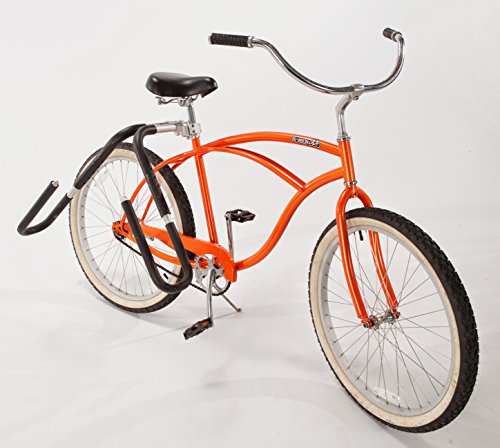
MBB Shortboard Bicycle Surfboard Racks by Moved By Bikes

Marscamd Tailgate Bike Pad 51-Inch Wide Holds 5 Bikes
Surfboard Bike Rack Adjustable Carrier Bracket Short Boards
Adjustable Bicycle Surfboard Rack Holder w/Foam Cover
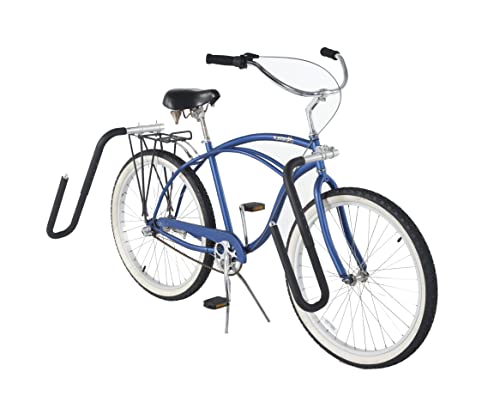
MBB Longboard Bicycle Surfboard Racks by Moved By Bikes
The Strengths Of Each Pick
Garage floors fill fast with boards, paddles, and ladders, and this wall set lifts two craft clear of daily traffic. You get four hooks in the box, which means two paired supports per kayak or surfboard. That pairing matters because a single hook lets a hull twist and slide.
The frame is powder-coated steel with padded contact points, rated to hold up to 50 lbs. Screws and anchors are included, with anchors intended for brick or concrete, while stud mounting suits framed walls. In our view, that hardware split makes planning the wall location the main job before lifting anything.
Real-World Strengths
- Four hooks create two stable cradles for one board
- Steel construction with powder-coated finish suits garage use
- Padding helps protect hulls and rails during storage
- Included screws and anchors simplify wall mounting
Things To Consider
- Wall type decides which hardware applies, so studs or masonry need checking first
- Two-kayak capacity suits smaller collections, not a full quiver
Compared with the two-kayak WALMANN set above, this version adds two more hooks for a third craft. Six hooks form three paired cradles, which spreads weight and keeps boards separated on the wall. Households with a kayak plus surfboards benefit from that extra bay.
Construction matches the smaller set, with powder-coated steel and padded contacts rated to 50 lbs. The box includes 12 screws and 12 anchors, again with anchors meant for brick or concrete. For most garages, the larger count is the practical difference, not a change in build approach.
Useful Touches
- Six hooks support three separate boards or craft
- Padded steel hooks reduce contact wear during storage
- Hardware included covers both stud and masonry walls
- Wall mounting reclaims floor space for other gear
- Versatile shape handles canoes, boards, and ladders
Worth Noting
- Three bays need more clear wall length than the two-kayak version
- Stud location or masonry condition must be checked before drilling
Who It Suits Best
Households storing three kayaks, surfboards, or mixed garage gear on one wall benefit most.
Where Another Pick Suits Better
The WALMANN Lightweight Kayak Storage Rack for 2 Kayaks suits smaller walls and two-board collections more closely.
This pad solves a different problem from the bike-mounted carriers later in the list, because it carries bikes on a truck tailgate instead of carrying a board on a frame. A 52-inch width fits most compact and mid-size trucks, including models named in the listing such as Tacoma, Colorado, and Canyon. Five bikes can sit in the cradles for shuttle trips.
The outer layer is 600D PVC, with flannelette on the underside and 3/4-inch foam padding through the middle. An enlarged rear window keeps the backup camera view open, and two zippered pockets hold small tools. The trade-off is clear, since truck fit and bike count matter more here than board carrying.
What Makes Sense
- 600D PVC outer layer resists abrasion and weather exposure
- Soft underside helps protect truck paint from contact
- Enlarged window preserves backup camera visibility
- Zippered pockets keep small tools contained
Trade Offs
- 52-inch width suits compact and mid-size trucks, so full-size fit needs measuring
- Five-bike capacity depends on frame spacing and strap placement
- Tailgate handle flap access should be checked on the specific truck
Shortboard riders get a simpler mounting setup here than with the frame-spread longboard version later in the list. Both bars clamp to a single seatpost mount, which keeps the hardware concentrated and stable for boards up to about 7 feet. You can pop the bars off with quick release when the bike returns to normal duty.
Build is aluminum and stainless steel, a pairing that suits coastal air better than plain steel. Fit range is seatposts from 25.4mm to 34mm in diameter, so measuring the post comes first. Depending on your board length, the lower cost versus the longboard version is a real saving, with less reach for longer craft.
Where It Excels
- Quick release bars remove without tools
- Single seatpost clamp keeps setup straightforward
- Aluminum and stainless steel suit coastal use
- Handles shortboards, boogie boards, and snowboards
- Lower cost than the longboard frame-mount version
Minor Gripes
- Seatpost diameter must fall within 25.4mm to 34mm
- Boards beyond about 7 feet suit the longboard version better
This Marscamd pad is narrower than the Himal pad above, at 51 inches wide, and that difference shapes the whole fit. Compact pickups with tailgates over 51 inches get the closest match, while mid-size trucks up to 56 inches get good coverage. Full-size tailgates at 60 inches or more will see partial coverage.
Material is 600D PVC with a soft underside and thick inner padding, plus hook and loop straps long enough for most bike frames. A roll-up flap exposes the backup camera, an interior pocket holds accessories, and a reflective strip aids nighttime visibility. Nothing flashy, but the sizing detail is the honest deciding factor.
Practical Pluses
- 600D PVC resists wear and repels water
- Long hook and loop straps fit most bike frames
- Roll-up flap keeps backup camera accessible
- Interior pocket stores small accessories
- Reflective strip improves nighttime visibility
Small Caveats
- 51-inch width gives only partial coverage on full-size tailgates
- Tailgate width should be measured before ordering
Made For
Compact and mid-size pickup owners shuttling five bikes on short trips benefit most from this width.
A Better Fit Elsewhere
The Himal Outdoors Tailgate Pad for Mountain Bike suits wider tailgates and groups needing camera-window clearance.
Side-mounted carriers like this one take a different approach from the seatpost-clamped MBB shortboard rack above. Arms adjust to the board, and the aluminum body carries a stated 40 lbs loading capacity. Thick foam on contact points helps prevent scratches during the ride.
Fit is the key check here, because mounting suits tubes from 0.98 in to 1.26 in and most regular or electric bikes. You get mounting accessories in the box, and installation mounts to a rear cargo rack area without removing the seat. One thing worth considering is tube size, since a mismatch makes the whole setup impractical.
What Stands Out
- Aluminum build keeps the carrier light and portable
- Thick foam padding protects board surfaces
- Adjustable arms fit various board sizes
- 40 lbs capacity covers typical shortboards
Points To Note
- Tube size must fall between 0.98 in and 1.26 in
- Compatibility issues are noted for this style, so measurements matter
- Side mounting changes bike balance compared with centered mounts
Adjustment range sets this holder apart from the fixed-angle options above. The bracket moves up and down and rotates, so the board angle can match different lengths and riding positions. That flexibility helps riders carrying longboards one day and shorter boards the next.
Construction is aluminum and stainless steel, with foam covers over contact points. Mounting tubes up to 2 inches in diameter are supported, and accessories are included for head tube, seatpost, or rear rack placement. Capacity reaches about 25 lbs, which covers many SUPs as well as surfboards.
Practical Advantages
- Rotating bracket adjusts angle for different boards
- Foam covers protect boards from scratches
- Aluminum and stainless steel resist rust and corrosion
- Mounts to head tube, seatpost, or rear rack
- Carries longboards, shortboards, and SUPs up to about 25 lbs
Honest Caveats
- Tube diameter up to 2 inches should be verified before ordering
- 25 lbs limit excludes heavier boards and loaded setups
Right Fit For
Riders switching between longboards, shortboards, and SUPs benefit most from the adjustable angle.
Look Elsewhere When
The MBB Shortboard Bicycle Surfboard Racks by Moved By Bikes suit riders wanting a simpler seatpost-only setup.
Longboards and SUPs need a wider spread than the shortboard seatpost version above can give. This frame mount spreads the load, with the front bar on the head tube and the rear bar on the seatpost or an existing rear rack. You can carry boards up to about 25 lbs, including many SUPs.
Quick release bars pop out with a push button and no tools, which keeps removal fast at the beach. Aluminum and stainless steel construction suits coastal environments where salt air wears down lesser metals. Handlebar clearance deserves a check before the first ride with a wide SUP.
Notable Upsides
- Frame mount spreads support for longboards and SUPs
- Quick release bars remove without tools
- Aluminum and stainless steel suit coastal air
- Rear bar fits seatpost or existing rear rack
- Carries boards up to about 25 lbs
Points To Keep In Mind
- Head tube, seatpost, or rear rack fit must be confirmed
- Handlebar clearance needs checking with wide SUPs
- 25 lbs limit applies to board weight
What Matters Most Before Choosing Bicycle Surfboard Rack
Mount Location And Tube Fit
Mount location decides stability more than brand name does. Seatpost mounts keep hardware in one place for shortboards, while frame mounts spread support for longboards and SUPs. Measuring tube diameter first prevents a carrier that looks universal but clamps nowhere useful.
Board Length And Weight
Board length changes the mount spread, and weight sets a hard ceiling. Shortboards up to about 7 feet suit seatpost setups, while longer boards and SUPs up to about 25 lbs suit frame mounts. Checking both numbers keeps a heavy board from exceeding a light carrier.
Storage Goal Versus Riding Goal
Wall hooks store boards at home, tailgate pads move bikes on trucks, and frame racks carry boards while cycling. Those three jobs overlap only loosely, so the starting question is where the board travels. A garage with clear wall space favors hooks, while a short beach ride favors a quick-release frame rack.
Materials For Coastal Air
Aluminum and stainless steel resist corrosion in salt air, while powder-coated steel suits indoor garage storage. Foam padding matters in both settings because it protects rails and hulls during contact. Material choice should match the environment where the carrier spends most time.
Key Considerations Across These Picks
Common Shopping Slip Ups
Measuring tube diameter after ordering is the most common slip, followed by ignoring tailgate width on pads. Checking board length against mount spread before ordering avoids most returns. A quick tape measure session saves more trouble than any feature list.
What The Higher Tier Buys
Higher tier carriers buy wider mount spread, quick release hardware, and corrosion-resistant metals. That combination supports longer boards, heavier SUPs, and faster removal at the beach. The upgrade pays off for frequent riders, while occasional shortboard trips can stay with simpler mounts.
Frequently Asked Questions
Will a seatpost mount carry a longboard?
A seatpost mount suits shortboards up to about 7 feet, while longboards need a frame mount with wider support. Board length decides which mount style fits the ride.
What tube size should be measured before ordering?
Seatpost diameter, head tube size, and cargo rack tube size each matter for different mounts. Measuring the exact tube prevents compatibility problems.
Can a tailgate pad carry surfboards?
Tailgate pads in this list carry mountain bikes on trucks, not surfboards on frames. Wall hooks or bike-mounted racks handle board storage and transport.
What weight limit matters for SUPs?
Frame-mounted carriers in this list support boards up to about 25 lbs. Weighing the board before ordering keeps the load within that limit.
Do quick release bars need tools?
Quick release bars on the MBB carriers pop out with a push button and no tools. That design speeds removal when the bike returns to regular use.
Final Verdict
Shortboard cycling trips point to the MBB shortboard rack, while longboards and SUPs point to the MBB longboard rack. Garage storage needs the WALMANN wall sets, and truck shuttle trips need a tailgate pad matched to tailgate width. Measuring tubes, board length, and weight first makes the final choice straightforward.