
A car approaching from behind on a narrow road leaves little margin for a glance backward. Radar tail lights watch that blind spot continuously, then flash and alert on a display or phone. Road riders, commuters, and group riders benefit from different detection ranges, light patterns, and battery runtimes. You can match those differences to route type, group size, and existing cycling computer setup.
Your Options, Compared

COOSPO TR70 Bike Radar Tail Light, 140M Alerts
Garmin Varia RearVue 820 Rearview Radar Tail Light

Xybervu VeloScope Bike Radar Camera 1080P

Bike Tail Light 24GHz Radar Sensor 230FT Detection

iGPSPORT SR mini Radar Bike Light 160M

Garmin Varia RTL515 Cycling Rearview Radar Tail Light

Garmin Varia RVR315 Cycling Rearview Radar
Garmin Varia RCT715 Rearview Radar Camera Tail Light
Inside Each Recommended Option
The COOSPO TR70 suits riders who want radar and a tail light combined on the seatpost, without adding a separate display unit. Its 220-degree visibility spreads the warning across a wider rear arc, which matters on roads where traffic shifts lanes. On long weekend rides, the 40-hour runtime reduces charging stops.
You get vehicle alerts at 140 meters, plus distance and speed data through Garmin computers, COOSPO CS500 or CS600 units, or the COOSPORIDE app. A phone connection through Cadence adds visual and audible warnings, though that route needs a compatible phone and a Cadence Pro or Elite subscription. The quick-release mount fits round, D-shaped, and aero posts.
The Upside
- 70-lumen output with seven lighting modes for day and night use
- Automatic flashing on approach and brighter response during braking
- USB-C charging with runtime up to 40 hours
- IPX7 waterproof rating for rain and splashes
- Tool-free mount for road, mountain, and commuter frames
Things To Consider
- Phone alerts depend on a subscription tier, limiting that option for some riders
- First use needs charging for activation, and fast charging should be avoided
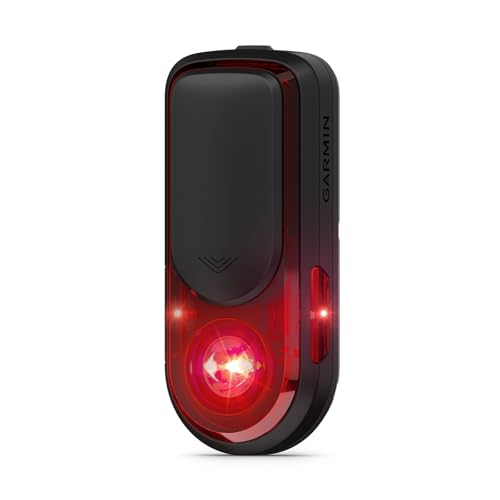
The Garmin Varia RearVue 820 targets riders already using a compatible Edge computer, Garmin watch, or smartphone app. Unlike the COOSPO TR70, it emphasizes vehicle classification and threat level, giving context beyond a simple approaching dot. That extra detail helps on multi-lane roads where overtaking patterns change quickly.
You see small, medium, and large vehicles, plus movement cues, while same-speed tracking keeps following traffic in view. The tail light reaches 2 km in visibility, and a distinct brake pattern signals slowing. Battery life reaches 24 hours in day flash mode and 30 hours in radar-only mode.
Where It Helps
- Four light patterns, including peloton mode for group rides
- Custom patterns created through the Varia app
- Seatpost mount with optional seat rail kit compatibility
- Audible and visual alerts across paired devices
Worth Noting
- Same-speed tracking can be limited at slower speeds or with obstructions
- Seat rail mount kit is sold separately
Who It Suits Best
Garmin Edge riders who want detailed vehicle information on busy roads.
Where Another Pick Suits Better
The Xybervu VeloScope suits commuters who prefer a live rear view on a handlebar display.
The Xybervu VeloScope takes a different route by pairing radar with a live rear camera and a 4.3-inch handlebar display. That setup suits daily commuters who want to judge traffic visually instead of relying only on icons. Continuous recording adds a record of rides, which some riders value after an incident.
You gain radar detection to 190 meters, with visual and audible alerts on the display and a smart tail light response. The wired camera connection keeps latency low for the 1080P feed. Battery life exceeds 10 hours, and IP56 resistance covers rain and dust exposure.
What Helps Most
- Live rear view reduces repeated head turns
- 1080P recording supports ride documentation
- Touchscreen color display at the handlebar
- Radar alerts trigger tail light activation
Trade Offs
- Wired display connection adds setup complexity compared with light-only units
- Handlebar space is needed for the 4.3-inch display
This 24GHz radar tail light keeps the focus on the light itself, with a built-in buzzer for audible warnings. Detection reaches 230 feet with 56-degree horizontal coverage, a shorter range than the 140-meter units earlier in this list. On quieter roads and shorter rides, that range still covers the main approach window.
Dual red beams split the job, with a 58-lumen far beam for solo riding and a 16-lumen near beam for group cycling. Deceleration triggers a brighter alert, and eight modes cover steady and flashing patterns. The 800mAh battery charges in two hours through USB-C and runs up to eight hours.
A Few Highlights
- Buzzer warning pairs with red flashing
- Lightweight 0.08-pound design eases mounting
- IP64 waterproof rating for wet rides
Minor Gripes
- Eight-hour runtime is shorter than longer-range radar units
- 230-foot detection gives less warning time on fast roads
- Buzzer alert depends on hearing traffic noise clearly
Made For
Commuters and casual riders who want radar alerts without a cycling computer.
Consider Something Else When
The COOSPO TR70 suits riders who need longer detection range and longer battery life.
The iGPSPORT SR mini fits riders who want a compact radar light that works across several display options. Millimeter-wave radar monitors traffic within 160 meters at a beam angle up to 45 degrees, then sends danger levels to a paired terminal. That angle covers a lane and shoulder area on typical two-lane roads.
You can pair it with iGPSPORT BSC200S, BSC300T, iGS630S, BiNavi, or iGS800 computers, the iGPSPORT app alone, or other computers and watches using standard connection protocols. Seven modes include solid, peloton, pulse, day flash, night flash, and single radar options. Runtime reaches 20 hours in light mode and 25 hours in single radar mode.
Well-Handled Touches
- Brake highlighting and approach flashing for rear traffic
- Visual and audible alarms through the display terminal
- USB-C charging with low-battery brightness reduction
- Automatic sleep and wake functions
- Wide compatibility across computer brands
Points To Note
- Alert quality depends on the paired display terminal
- Mode count adds setup choices before a ride
The Garmin Varia RTL515 remains a familiar choice for road cyclists who want a compact vertical unit on the seatpost. It detects vehicles up to 153 yards behind, pairing with Edge computers, select Garmin wearables, a radar display unit, or a compatible smartphone. The vertical shape mounts easily on most road-use bicycles.
You receive graphics plus tone and vibration alerts through the Varia app, with integration for third-party apps such as Ride with GPS. Daylight visibility reaches one mile, and peloton mode lowers flash intensity for group riding. Battery life reaches 16 hours in day flash mode and six hours in solid mode.
What Stands Out
- Compact vertical design for road bikes
- Peloton mode reduces glare for riders behind
- Smartphone app adds vibration alerts
- Third-party app integration for maps
Softer Spots
- Solid mode runtime drops to six hours
- Detection range trails the 160-meter and 190-meter options
The Garmin Varia RVR315 strips the setup back to radar only, without a built-in tail light. That separation suits riders who already carry a preferred light or want radar alerts without managing another lighting pattern. Its compact vertical design mounts on most road-use bicycles in the same style as the RTL515.
Detection reaches 153 yards behind, with alerts through an Edge computer, smartphone, select Garmin wearables, or a radar display unit. The Varia app shows position and speed with tone and vibration alerts, and third-party map apps can overlay radar data. Battery life reaches up to eight hours.
The Helpful Details
- Radar-only design keeps the setup focused
- App graphics show vehicle position and speed
- Compact vertical mount for road bikes
Small Caveats
- No tail light included, so a separate light is needed
- Eight-hour runtime limits very long rides
Right Fit For
Riders who already own a tail light and want radar alerts alone.
Not Your Match When
The Garmin Varia RTL515 suits riders who want radar and a tail light in one unit.
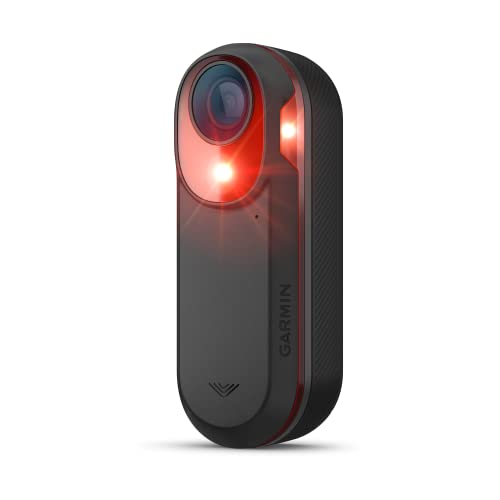
The Garmin Varia RCT715 combines rearview radar, a built-in camera, and a tail light in one seatpost unit. It records continuously and saves footage before, during, and after a detected incident, which gives riders a record beyond live alerts. Unlike the RVR315, it includes lighting and video in a single device.
Radar detects vehicles up to 153 yards behind, with alerts through an Edge computer, select Garmin wearables, or the Varia app. Video records at 1080p and 30 frames per second, or 720p to extend battery life, with a 16GB SD card included. Three modes balance camera, radar, and light use, with runtime up to six hours in day flash with recording at 1080p.
A Few Strong Suits
- Automatic incident footage saving around detected events
- App access for footage, transfers, and camera settings
- Radar-activated mode starts the camera on approach
- Data overlays customizable through the app
Areas To Watch
- Camera recording shortens runtime compared with light-only units
- Camera use needs checking against local rules and privacy requirements
Matching Detection Range and Light Output to Routes
Detection Distance and Field of View
Longer detection ranges give more time to react on faster roads, while narrower fields can miss vehicles changing lanes. Check the stated distance and beam angle against typical road speeds, then confirm compatibility with existing computers or phone apps. You need alerts in a format that stays readable at a glance.
Battery Life and Lighting Modes
Runtime varies sharply between day flash, solid, radar-only, and camera modes, so mode choice changes real ride length. Group riders benefit from peloton or low-intensity modes, while solo riders need stronger flashing for daytime visibility. Match the mode set to route length and group size before deciding.
Camera, Display, and Mounting Needs
Camera models add recording and live views, but they also add handlebar space, wiring, and shorter runtimes. Light-only units keep installation simpler and suit riders who already have a computer display. Seatpost shape matters too, especially for aero posts and D-shaped profiles.
Key Considerations Across These Picks
Common Shopping Slip Ups
Matching a radar unit to an incompatible computer or phone app causes most disappointment. Checking display compatibility, mount shape, and mode-specific battery life before ordering prevents that mismatch.
What The Higher Tier Buys
Higher-tier units add vehicle classification, camera recording, and longer runtimes through advanced tracking and storage. Those additions pay off on busy roads and long rides, while simpler routes gain less from the extra hardware.
Frequently Asked Questions
Do radar tail lights work without a cycling computer?
Some models work through a phone app or a built-in buzzer, while others need a compatible computer or watch for alerts. Check the paired device list for the exact model before ordering.
How far behind can radar detect vehicles?
Ranges in this list run from 230 feet to 190 meters, depending on the model. Faster roads benefit from the longer ranges, while slower commuter routes can work with shorter detection.
Can a radar light also record video?
Camera models such as the VeloScope and RCT715 record rear footage, with different display and storage setups. Recording modes affect battery life, so mode-specific runtime matters for long rides.
Do group riders need a special light mode?
Peloton mode lowers flash intensity to reduce glare for riders behind. That mode suits group rides, while solo riders often use day flash or solid modes for stronger visibility.
What mount types do these units use?
Most units mount on the seatpost, with some supporting round, D-shaped, or aero posts. Confirm post shape and handlebar space for display models before installation.
Wrap Up
Long rides point toward the COOSPO TR70, Garmin Edge setups point toward the RearVue 820, and live video points toward the VeloScope. You can narrow the choice by route speed, group size, and paired devices, then check mount fit. That approach keeps the final pick tied to actual riding conditions.