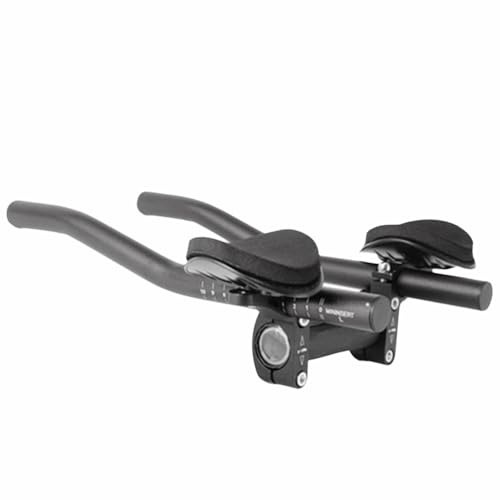
Aero bars are clip-on extensions that clamp to a handlebar and let a rider rest forearms on pads while holding extensions in front. That position narrows the upper body profile for time trials, triathlons, and long flat-road rides. A commuter turning a road bike into a distance setup faces the same core choice as a racer: clamp diameter, pad position, and extension shape decide comfort more than finish color. Start with handlebar size and saddle position, then match extension length and adjustability to the intended ride.
An Overview Of The Picks

RUTVEING Bike Aero Bar Arm Rest Pads R23
MOPFOL 31.8mm Clip-On Aerobars 13.38in Aluminum Alloy

Yccyctrek Carbon Aero Bars 340mm Grey 3K Matte

Zipp Vuka Clip Aluminum Above Bar Mount Evo 70

RXL SL Clip On Aero Bars Carbon 360mm 50°

BBB Cycling AeroMax BHB-60 J-Bend Aero Bars Black

Profile Design Airstryke V2 Aluminum Clip-on Aerobars

Profile Design Legacy II Aerobars Aluminum Adjustable Armrests
What Each Pick Brings To The Table
This is a replacement part, not a full cockpit. The aluminum alloy plates with sponge pads swap onto matching RUTVEING aero bars, and mounting screws are included in the pack. That narrow scope is the point, and it suits a rider whose existing pads have compressed after a season of long rides.
Unlike the full clip-on sets below, there is no clamp, extension, or bracket here. Compatibility is the whole decision, since the plates are described for the seller’s own aero bars only. Measure the old plate and check screw spacing before ordering, because a close look-alike may not line up.
The Good Stuff
- Aluminum alloy plates replace worn trays without buying a full set
- Sponge pads add a softer contact surface for forearms
- Mounting screws are included for the swap
Things To Consider
- Fit is limited to the matching RUTVEING aero bars, so other brands are a poor match
- No extensions or clamps are included, which matters for a first setup
Who It Suits Best
Riders who already own the matching RUTVEING aero bars and need fresh arm rest plates.
Where Another Pick Suits Better
MOPFOL 31.8mm Clip-On Aerobars suit riders building a complete aero position from scratch.
A complete aluminum alloy setup makes this a natural first clip-on choice. Extensions measure 13.38 inches, pads are detachable sponge over reinforced plastic, and the pack includes brackets plus installation tools. For a weekend triathlon rider, that completeness removes separate parts shopping.
Clamp fit spans 25mm to 31.8mm, with shims for 25.4mm and 26mm bars. That range is broader than the 31.8mm-only carbon options later in this list, which helps on older road or mountain bars. Pad position can be shifted for a custom reach, though the long extensions may crowd a small frame on steep climbs.
What It Does Well
- Shims cover 25.4mm and 26mm bars alongside 31.8mm clamps
- Detachable sponge pads make cleaning simpler after sweaty rides
- Adjustable pad placement helps dial in forearm support
- Tools and brackets are included for a single-box setup
Worth Noting
- 13.38-inch extensions are long, so shorter riders may need a forward saddle shift
- Aluminum construction adds weight compared with the carbon picks below
Carbon construction is the headline here. T700 carbon fiber bars at 340mm long and roughly 320g keep the front end light, a clear step from the aluminum MOPFOL set above. That matters on a long ride where every gram at the bars adds up over hours.
Sponge pads fasten with velcro and can be removed for washing, a practical touch for regular training. Clamp size is fixed at 31.8mm, and tightening follows a 4Nm torque spec with a hex wrench. In our view, that precision suits riders comfortable with torque discipline rather than guesswork.
Benefits That Matter
- 320g carbon build keeps weight low for distance rides
- Removable sponge pads can be washed after use
- 340mm length balances reach and control
Trade Offs
- 31.8mm clamp only, so 25.4mm bars need a different pick
- 4Nm torque requirement calls for careful tightening
An above-bar mount changes the geometry in a useful way. Evo 70 extensions sit higher than a standard clamp, which can suit riders who want a less extreme drop to the pads. Large armrests spread pressure across the forearm, a detail that matters during a full time trial.
Aluminum construction is paired with compatibility for extra risers, armrests, and aero accessories. That modularity is the main appeal, since fit can be refined over time rather than fixed at purchase. One thing worth considering is total height, because a higher stack may feel tall on a bike with an already high front end.
The Value In It
- Above-bar Evo 70 position suits a higher stack preference
- Large armrests spread forearm pressure on long efforts
- Extra risers and armrests allow later fit changes
- Aluminum build offers strength for repeated adjustment
Minor Gripes
- Above-bar height may not suit riders seeking a low, flat position
- Modular accessories add cost and setup time over a fixed set
Made For
Triathletes who want a higher, tunable aero position with room to add risers.
Consider Something Else When
Yccyctrek Carbon Aero Bars suit riders seeking a lower, lighter carbon setup.
Length sets this carbon set apart. At 360mm, the flat ski-bend extensions run longer than the 340mm Yccyctrek bars, giving taller riders more forearm support on flat roads. Weight is listed around 350g, still light, and the clamp fits 31.8mm bars.
Sponge pads attach with velcro and come off for washing, similar in spirit to the previous carbon pick. Angle options of 30, 40, or 50 degrees let a rider match wrist position to torso angle. For most riders, that choice matters more than a few grams, since wrist comfort shapes how long the aero position holds.
Good Reasons To Consider
- 360mm ski-bend extensions give extra forearm support
- 30, 40, and 50 degree angles allow wrist position tuning
- Washable sponge pads suit frequent training use
- Carbon build keeps weight near 350g
Room For Improvement
- Longer extensions may need a saddle or stem change for a balanced fit
- 31.8mm clamp limits fit on narrower handlebars
A two-piece aluminum design with extra long J-bend bars targets a deep aero position. The 350mm extensions sit between the 340mm and 360mm carbon options, so reach feels generous without going to the longest length here. EVA foam padding on the bars adds a softer grip surface.
Arm rest length and width adjust to rider preference, and the clamp fits 25.4mm or 31.8mm handlebars. That dual fit is broader than the carbon sets, which helps on a mixed stable of bikes. You can move this set between a road bike and a triathlon build, though the aluminum weight will show on climbs compared with carbon.
Strengths Worth Knowing
- 350mm J-bend bars support a tucked position
- Adjustable arm rest length and width refine fit
- Clamp fits 25.4mm and 31.8mm handlebars
- EVA foam padding softens the grip area
Points To Note
- Aluminum construction is heavier than the carbon picks
- Two-piece setup takes more adjustment time at first
Flip-up brackets are the defining idea here. Springs hold armrests raised when a rider wants hands on the drop bar tops, then pads drop back for aero work. That solves a common annoyance on mixed terrain where climbs interrupt flat aero stretches.
Aluminum clip-on construction with adjustable stack and reach keeps fit tuning in play. A rider may find the flip action takes a short learning period, since the pads move away from the usual fixed position. For a bike used for both centuries and triathlons, that trade-off often feels worthwhile.
Notable Upsides
- Flip-up brackets keep drop bar tops accessible on climbs
- Adjustable stack and reach support fit changes
- Aluminum clip-on build suits a shared road bike
Softer Spots
- Moving pads can feel unfamiliar during the first rides
- Flip mechanism adds a part to check during setup
Right Fit For
Riders who climb on drop bars and still want a clip-on aero position for flats.
Not Your Match When
BBB Cycling AeroMax BHB-60 suits riders who prefer fixed pads and simple adjustment.
Forged 6061-T6 aluminum gives this set a sturdy base at 450g. Venturi-style armrests offer multiple hand positions, which can reduce fatigue during a long time trial. Width and rotation adjustment at the pads let a rider fine-tune elbow placement rather than accepting a fixed stance.
Fit is built around 31.8mm handlebars, with 26.0mm possible through shim kits sold separately. That extra step is worth noting, since the carbon picks above also lock to 31.8mm but the BBB set covers 25.4mm directly. Riser kits are not intended for this model, so stack height comes from the base setup and saddle position.
What Stands Out
- Width and rotation adjustable armrests refine elbow placement
- 450g aluminum build balances weight and strength
- Venturi-style armrests give multiple hand positions
- Forged 6061-T6 aluminum suits competitive use
Small Caveats
- 26.0mm fit needs shim kits sold separately
- Riser kits are not intended for this model
What Matters Most Before Choosing Bicycle Aero Bars
Clamp Diameter and Bar Shape
Measure the center section of the handlebar before ordering. A 31.8mm clamp will not fit a 25.4mm bar without shims, and some sets include those adapters while others do not. Flat tops and round sections also affect how pads sit, so a quick test fit in the garage saves a return trip.
Extension Length and Pad Position
Longer extensions, such as 360mm, support taller riders and a deeper tuck. Shorter 340mm bars keep steering feel closer to the drops on technical roads. Pad width and rotation matter just as much, since elbows need a stable platform for hours in a time trial.
Saddle Position and Intended Terrain
Aero bars move the upper body forward, so saddle position often needs a small shift. Flat, fast courses reward a low position, while hilly routes favor a setup that still allows climbing on the base bar. Matching the bars to the course keeps the aero gain usable rather than tiring.
Key Considerations Across These Picks
Common Shopping Slip Ups
A frequent slip is ordering by extension length alone and skipping clamp diameter. Another is ignoring saddle position, which can leave shoulders strained after the first long ride. Check both numbers, then plan a short test ride before a race day.
What The Higher Tier Buys
Higher tier sets often bring carbon construction, modular risers, or finer pad adjustment. Those features help riders who chase grams or need precise fit changes across bikes. For a first triathlon on flat roads, a sturdy aluminum set with the right clamp size may serve just as well.
Frequently Asked Questions
What size handlebar do most clip-on aero bars fit?
Most sets in this list fit 31.8mm handlebars. Some include shims for 25.4mm or 26mm bars, so check the clamp range in the details before ordering.
How long should aero bar extensions be?
Extension length depends on torso length and preferred tuck. A 340mm bar suits many riders, while 360mm gives taller riders more forearm support.
Do aero bars require a saddle change?
A small forward saddle shift often helps balance the new position. A straight seatpost or a second saddle and seatpost combo can make swapping setups easier.
Can aero bars be used for climbing?
Fixed pads can block access to drop bar tops on steep climbs. Flip-up brackets, such as those on the Airstryke V2, keep the base bar reachable.
Are carbon aero bars worth it over aluminum?
Carbon saves weight, with examples near 320g to 350g in this list. Aluminum sets offer broader clamp fit and simpler adjustment at a higher weight.
Final Verdict
For a first complete setup, the MOPFOL set covers wide clamp sizes with tools included. Riders chasing weight should look at the 320g Yccyctrek carbon bars, while climbers who need drop bar access will appreciate the Airstryke V2 flip-up design. Match clamp diameter first, then extension length, and the right choice becomes clear.