
A belt drive promises a cleaner, quieter drivetrain with less routine upkeep than a chain, and that matters on a daily commute or a dusty trail. You need the motor, battery, and frame to match the terrain and distance ahead, not just a belt label. This roundup separates full bikes from conversion parts so the drivetrain choice stays clear.
An Overview Of The Picks

Rideplux Street Legal Electric Bike 4000W 35MPH 48V 27Ah

sthus Belt Drive Kit for 2 Stroke 66cc 80CC Engine

79BIKE FALCON-PRO Electric Dirt Bike 72V 35Ah 10000W

Electric Bike for Adults 48V15Ah Retro Ebike Peak 1500W
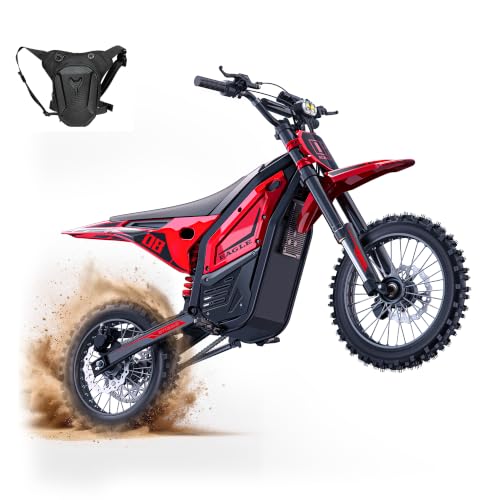
ENGWE Eagle 45MPH Electric Dirt Bike for Teens Youth

TSDZ-2B Torque Sensor Mid Drive Kit with Battery

Schwinn Parkwood Electric Hybrid Bike 350W Hub Motor Blue

TST Electric Bike for Adults 48V 15Ah 1500W Peak Fat Tire
Meet The Standout Selections
Long distance riders who want pedals, lights, and strong climbing power get a clear match here. The 4000W peak motor and 220Nm torque figure, where torque means twisting force at the wheel, support steep grades and a 35 MPH top speed. PAS mode, meaning pedal assist system, stretches the 48V 27Ah battery toward 150 miles per charge.
Full suspension with a double-crown front fork and lockout helps on rough trails, while 19-inch knobby tires add grip on loose surfaces. Dual hydraulic disc brakes, a 450-lumen headlight, taillight, and turn signals handle stopping and visibility. The honest read is that 8-hour charging and local e-bike rules need a check before road use.
Strengths Worth Knowing
- Removable 27Ah battery supports long pedal-assist rides
- Full suspension smooths bumps on unpaved trails
- Hydraulic brakes pair with knobby tires for control
- Lighting package includes headlight, taillight, and signals
- Five speeds help match effort to terrain
Things To Consider
- Approx. 8-hour charge time limits quick turnaround
- State rules vary, so road legality needs confirmation
This is a parts kit, not a complete bike, and that distinction drives the whole decision. Builders with a 49cc to 80cc two-stroke motorized bicycle get a belt drive intended to replace a 415 chain. The package includes a belt drive kit, chain tensioner, and 9-hole sprocket mount kit.
Toothed belts, often called T-belts, avoid the dust buildup and lubrication routine tied to chains. That suits a garage build where less greasy upkeep matters. Compatibility checking matters most, since your existing engine size and mounting points must align with the kit before ordering.
Benefits That Matter
- Designed for 49cc, 50cc, 60cc, 66cc, and 80cc engines
- Belt design reduces lubrication needs compared with chains
- Includes tensioner and sprocket mount components
Worth Noting
- Parts only, so a complete motorized bicycle is still required
- Manual measurement may differ by 0.5 to 1mm
- Fit depends on matching the existing engine setup
Who It Suits Best
Builders converting a small two-stroke motorized bicycle and comfortable checking engine fit.
Where Another Pick Suits Better
Shoppers wanting a complete electric bike should look at the Schwinn Parkwood Electric Hybrid Bike 350W Hub Motor Blue instead.
Adult riders focused on aggressive off-road performance get a very different machine from the Rideplux Street Legal Electric Bike 4000W 35MPH 48V 27Ah. The FALCON-PRO lists 10kW peak power, 410Nm torque, and a 56mph maximum speed. A 72V 35Ah battery and 3 to 4 hour charge time support trail sessions with shorter turnaround.
Front suspension travel reaches 200mm and rear travel 85mm, paired with 203mm hydraulic disc brakes and 70/100-19 tires. The forged aluminum frame carries a 120kg maximum load at 59.2kg total weight including battery. LED lighting and a digital display round out the trail setup.
The Practical Payoff
- High torque motor for steep, rough terrain
- Fast 10A charging cuts downtime between rides
- Long front suspension travel for jumps and rocks
- Large hydraulic discs for stronger stopping
Trade Offs
- Dirt-bike focus limits everyday commuting use
- High speed demands careful trail and local rule checks
Commuters who want fat tires, app control, and dual suspension in one package get plenty to work with here. A 1500W peak motor with 90Nm torque handles 35-degree hills, and a removable 48V 15Ah battery lists 65 miles per charge. Seven speeds and five pedal-assist levels let effort match the route.
Unlike the FALCON-PRO, this retro-styled option leans toward mixed city and trail use. The 20 by 4-inch fat tires suit sand, snow, mud, and gravel, while an LCD display and phone app track speed, battery, and distance. For most urban routes, that mix covers daily riding without a second bike.
Notable Upsides
- Removable battery simplifies charging at home
- Fat tires add traction on loose surfaces
- App and LCD display support ride tracking
- Dual suspension reduces bumps on rough pavement
- Seven-speed gearing suits varied terrain
Minor Gripes
- Fat tires increase rolling resistance on smooth roads
- Retro styling may not suit every commuter
Made For
Adults commuting through mixed pavement and light trails who want connected ride data.
Consider Something Else When
Shoppers prioritizing a lighter comfort hybrid should consider the Schwinn Parkwood Electric Hybrid Bike 350W Hub Motor Blue.
Youth riders and families get adjustable speed modes that adult dirt bikes lack. The ENGWE Eagle lists a 3200W mid-drive motor, 220Nm torque, and speeds up to 45 MPH. Three modes at 15, 27, and 45 MPH let skill level set the limit, which matters on shared trails.
A removable 52V 27Ah battery lists up to 55 miles per charge. Smaller 14-inch front and 12-inch rear all-terrain tires, dual hydraulic suspension, and hydraulic brakes support dirt, gravel, and sand. Adult supervision for minor riders and local safety rules remain part of responsible use.
Why It Works Well
- Three speed modes support gradual skill building
- Removable battery lists 55-mile range
- Hydraulic suspension smooths hard landings
- Hydraulic brakes provide consistent stopping
Points To Note
- Smaller wheels suit younger riders over tall adults
- Top speed mode needs strict supervision and trail checks
Owners of a suitable road, mountain, hybrid, or tricycle frame get a conversion path instead of a new bike. The torque sensor adjusts assistance based on pedaling force, so starts and climbs feel more natural than cadence-only systems. Four modes include e-bike, pedal assist, walk assist, and traditional cycling.
Power options span 500W, 750W, and 1000W, with torque up to 160Nm on the largest variant. The kit fits 68 to 73mm bottom bracket widths and carries an IP65 rating, meaning sealed against dust and water jets. Battery choices include downtube and rear-rack styles with anti-theft locks.
Everyday Perks
- Torque sensing gives a natural pedal feel
- Multiple power levels match different routes
- IP65 sealing suits rain and daily weather
- Revives an existing bike instead of replacing it
- LCD display tracks speed, distance, and battery
Small Caveats
- Bottom bracket width must match 68 to 73mm range
- Installation effort exceeds a complete bike setup
New riders who prefer a step-through frame and gentle assistance get the most approachable complete bike in this list. The 350W hub motor reaches 20 mph, with throttle use or three pedal-assist levels. A 36V 10.4Ah removable battery lists 40 miles and a 5-hour charge time.
Wide tires, disc brakes, a 7-speed shifter, rear cargo rack, and front headlight cover comfort and errands. Sizing suits riders from 5’4″ to 6′ tall and up to 300 pounds. Compared with the fat-tire TST option, this hybrid trades off-road width for easier mounting and everyday simplicity.
Points In Its Favor
- Step-through frame eases mounting and dismounting
- Removable battery charges in about 5 hours
- Wide tires cushion rough pavement
- Cargo rack and headlight add daily utility
Areas To Watch
- 350W motor suits hills, not aggressive trails
- 40-mile range is modest beside long-range picks
Right Fit For
Beginners and casual commuters who value comfort, simple controls, and easy mounting.
Look Elsewhere When
Riders wanting fat-tire traction and dual suspension should consider the TST Electric Bike for Adults 48V 15Ah 1500W Peak Fat Tire.
Beginner cyclists who want fat tires and dual suspension without race-level speed get a balanced package here. The 750W motor lists 1500W peak power, with 2 to 3 speed settings for commuting and off-road riding. A removable 48V 15Ah battery charges in 6 to 7 hours and lists up to 60 miles in pedal-assist mode.
Front and rear suspension, 20 by 4-inch puncture-resistant tires, mechanical disc brakes, and an LCD display cover comfort and control. Seven-speed gears and three working modes adapt to streets, mountains, and beaches. At 66 pounds with a 450-pound maximum load, storage and lifting deserve a check before ordering.
Bright Spots
- Dual suspension reduces bumps and fatigue
- Removable battery supports flexible charging
- Fat tires add grip on loose surfaces
- Seven speeds and three modes add versatility
- LCD display tracks speed, distance, and battery
Honest Caveats
- 66-pound weight complicates lifting and storage
- Mechanical disc brakes need pre-ride checks
- 90% pre-assembly still requires finishing work
What Matters Most Before Choosing Belt Drive E Bike
Drivetrain Type and Maintenance
A belt drive removes chain lubrication and reduces grime near clothing and cargo. Complete bikes in this list use different drivetrains, so confirm the actual system on the listing rather than relying on the category name. A conversion kit such as the sthus option suits builders, while complete bikes suit riders who want to ride sooner.
Motor Power, Torque, and Terrain
Peak watts describe maximum output, while torque describes twisting force for climbing. You should match those figures to hills, rider weight, and surface type. A 350W hub motor fits gentle commutes, while higher torque figures suit steep trails and heavier loads.
Battery Range and Charging Time
Range figures depend on pedal-assist mode, rider effort, terrain, and load. Your route length should sit comfortably inside the listed range, with extra margin for hills and wind. Charge time matters just as much, since an 8-hour charge changes daily planning compared with a 3 to 4 hour charge.
Fit, Weight, and Storage
Frame size, step-through design, and total weight affect mounting, lifting, and storage at home. Check height range and maximum load before ordering, especially for fat-tire models near 66 pounds. Confirm garage or apartment space can hold the bike and battery during charging.
Key Considerations Across These Picks
Common Shopping Slip Ups
Mixing up a parts kit with a complete bike causes the most confusion. Checking bottom bracket width, engine size, and local e-bike rules before ordering prevents mismatches. Range claims also need context, since pedal-assist distance differs from throttle-only distance.
What The Higher Tier Buys
Higher-tier models often add larger batteries, stronger torque, better suspension travel, and hydraulic brakes. Those upgrades pay off on steep, rough, or long routes where control and range matter daily. Gentle commutes gain less from race-grade hardware, so matching the tier to the route keeps spending focused.
Frequently Asked Questions
Does a belt drive need lubrication like a chain?
Belts generally need far less lubrication and produce less grime than chains. Builders should still check tension and alignment during routine maintenance.
Are all eight options complete electric bikes?
No, two options are conversion kits rather than complete bikes. The sthus kit and TSDZ-2B kit require an existing bicycle or motorized bicycle frame.
What range should a commuter expect?
Listed range depends on pedal-assist mode, terrain, rider weight, and wind. A 40-mile listing suits shorter commutes, while 60-mile and longer listings suit extended routes.
Which option suits a beginner best?
The Schwinn Parkwood suits beginners with its step-through frame and 20 mph limit. The TST fat-tire option suits beginners who prefer wider tires and dual suspension.
What should be checked before riding on public roads?
State and local e-bike rules vary by speed, motor power, and equipment. Checking those rules and confirming lights, brakes, and pedals before road use prevents surprises.
Final Thoughts
Match the drivetrain, motor, and battery to the route ahead, and the right choice becomes clearer. You get the most value from a bike sized for daily terrain, not from headline speed alone. Start with fit and range, then compare suspension and brakes for the surfaces ahead.