
A first road bike should feel manageable on a weekday commute and still fun on a weekend loop. Frame size, gear range, and brake type change the ride more than paint or branding. You get a clearer shortlist when fit comes first, then gearing for hills, then stopping power for wet streets. The eight options below cover drop-bar road bikes, upright cruisers, trail-ready frames, and electric assistance for different starting points.
A Side-By-Side Look

HILAND 700C Road Bike Aluminum Racing Bike White S

WEIZE Mountain Bike 26 Inch Trail Bicycle Black

Pipleo Road Bike 700C City Commuter Bicycle 21 Speeds
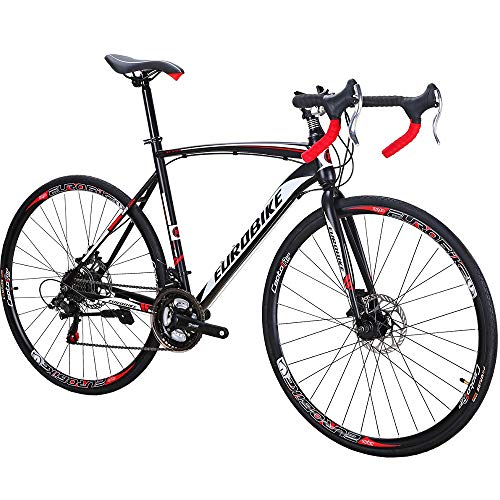
Eurobike HY XC550 Road Bike 21 Speed 54cm

CamPingSurvivals Foldable Cruiser Bike 7-Speed 26 Inch

WEIZE Mountain Bike 27.5 Inch 18-Speed Dual Suspension

TST Electric Bike for Adults 48V 15Ah Fat Tire

Folding Electric Bike for Adults 14 Inch 500W Peak
A Closer Look At Each Pick
A drop-bar road bike with an aluminum frame suits riders moving from flat paths to longer paved routes. Caliper brakes sit close to the rim, keeping the front end light, and the 700C wheels roll over rough patches with less effort than smaller wheels. That setup suits daily commuting and weekend sport riding on pavement.
Frame choice matters here, and your height decides between 49, 53, and 57cm sizes listed for riders from 5’3″ to 6’4″. A 14-speed derailleur system, meaning front and rear gear changers, gives a wide range for hills and flats. In our view, the rigid fork keeps steering direct, though rough trails will feel harsher than on a suspension model.
A Favorable Mix
- Lightweight aluminum frame helps with carrying and hill starts
- 14 speeds cover commuting, gravel, and sport riding
- 700C tires reduce rolling resistance on paved roads
- Three frame sizes make fit easier to match
- 85% pre-assembled build shortens setup time
Things To Consider
- Rigid fork offers no shock absorption on unpaved trails
- Caliper brakes need rim alignment checks during assembly
Compared with the HILAND road bike, this WEIZE model trades pure road speed for trail tolerance. A front suspension fork absorbs bumps, and 26-inch wheels keep the ride nimble on park paths and gravel. The aluminum frame keeps weight down for a mountain bike in this group.
Twist shifters control 21 speeds through front and rear derailleurs, so climbing and flat stretches each get a suitable gear. Mechanical disc brakes, which use a metal disc at the wheel hub, provide control across varied surfaces. Depending on your route, tire traction shapes braking more than brake hardware alone.
Notable Gains
- Front suspension smooths bumps on unpaved paths
- 21 speeds help on hills and open flats
- Disc brakes suit slopes and loose surfaces
- Comfort saddle supports longer trail rides
Worth Noting
- 26-inch wheels feel less efficient than 700C on pavement
- Assembly notes state not all tools are provided
- Suspension adds weight compared with a rigid road frame
Who It Suits Best
Riders mixing park paths, gravel, and light trails who value suspension over road speed.
Where Another Pick Suits Better
The HILAND 700C Road Bike Aluminum Racing Bike White S suits paved commuting where 700C wheels roll more efficiently.
City commuting shapes this Pipleo design, with a lightweight aluminum frame and 700C wheels for paved streets. A Shimano 21-speed drivetrain, meaning the branded gear system, gives finer gear steps than the 14-speed HILAND setup. You can shift more gradually on stop-start routes with hills.
Dual disc brakes add stopping control in wet conditions, and 700x28C tires balance road efficiency with grip on broken pavement. Two frame sizes cover riders from 5’4″ to 6’1″, and the bike arrives 95% built. One thing worth considering, internal cable routing looks neat but can make cable replacement a more involved job.
Practical Pluses
- Shimano 21-speed system gives wide gear choice
- Dual disc brakes suit wet city streets
- 700x28C tires balance speed and grip
- 95% pre-built design speeds first setup
- Tool-free seat adjustment helps mid-ride fit tweaks
Minor Gripes
- Two frame sizes offer less fit precision than three
- Internal cables complicate home cable changes
Unlike the aluminum Pipleo frame, this Eurobike uses high-carbon steel, trading lower weight for a sturdy build aimed at beginners through intermediate riders. A 21-speed Shimano system and 700C x 28C tires keep the focus on paved roads and commuter routes. Dual disc brakes support downhill control and wet-road stopping.
Your inseam and height guide the choice between 49cm for 5’5″ to 5’7″ and 54cm for 5’8″ to 6’1″. Assembly covers the front wheel, handlebar, pedals, and seat, with basic tools and reflectors included. For most riders, that 15 to 20 minute setup estimate depends on comfort with brake and gear adjustments.
What Works In Its Favor
- Carbon-steel frame built for adult riders
- Dual disc brakes for descents and wet roads
- 21 speeds with fingertip shifting
- Clear size guidance by height
Points To Note
- Steel frame weighs more than aluminum options
- Only two frame sizes limit fit fine-tuning
- Assembly includes brake and gear adjustment
An upright cruiser posture sets this model apart from drop-bar road bikes in the list. A low frame makes mounting easier, and cruiser handlebars keep hands and shoulders in a relaxed position. Wide 26-inch tires suit pavement, sand, and gravel at leisure pace.
You can fold the frame with a quick-release clamp for storage in a corner or a car trunk. Seven speeds handle hills, streets, and coastal roads without the complexity of a 21-speed system. Dual V-brakes, reflective wheel stripes, and anti-slip pedals support visibility and stopping on short trips.
Benefits That Matter
- Upright frame supports relaxed riding posture
- Folding design eases apartment and trunk storage
- 7 speeds suit hills and leisure routes
- Fenders help with mud and road debris
- Padded saddle reduces fatigue on longer leisure rides
Softer Spots
- Seven speeds limit steep-climb gear range
- Cruiser geometry prioritizes comfort over speed
Made For
Leisure riders and apartment dwellers who prioritize upright comfort and folding storage.
Consider Something Else When
The Pipleo Road Bike 700C City Commuter Bicycle 21 Speeds suits faster paved commuting with a wider gear range.
Dual suspension defines this WEIZE model, with a front fork and rear coil shock smoothing bumps at both ends. That differs from the single front fork on the WEIZE 26-inch model, giving more trail absorption for rough paths. A steel frame keeps the build sturdy for outdoor cycling.
Twist shifters manage 18 speeds across front and rear derailleurs, helping riders find a steady cadence, meaning pedaling rhythm, on climbs. Linear pull brakes, also called V-brakes, provide stopping control, and 27.5-inch all-terrain tires suit varied ground. The listed fit starts at 5’4″ for adult riders.
Where It Excels
- Front and rear suspension smooth rough trails
- 18 speeds support climbing and flat sections
- 27.5-inch tires suit varied terrain
- Adjustable ergonomic seat aids fit
Small Caveats
- Steel dual-suspension frame adds carrying weight
- V-brakes need rim and pad alignment checks
- Partial assembly requires brake adjustment time
Electric assistance changes the brief entirely, and this TST model targets commuters who want help on hills and long routes. A 750W motor with 1500W peak power supports daily commuting and off-road riding, with three working modes to switch between. Fat tires measure 20 by 4 inches, giving grip on loose surfaces.
Your storage space needs planning, since the bike weighs 66 lbs and carries a 450 lb maximum load. A removable 48V 15Ah battery charges in 6 to 7 hours and reaches up to 60 miles in pedal-assist mode. Dual suspension, disc brakes, seven speeds, and an LCD display, which shows speed, distance, and battery level, round out the package.
The Upside
- Removable battery charges at home or outdoors
- Pedal-assist range reaches up to 60 miles
- Dual suspension smooths bumps and vibration
- LCD display tracks ride data
- 90% pre-assembled build eases setup
- Fat tires add grip on loose terrain
Areas To Watch
- 66 lb weight complicates lifting and storage
- 6 to 7 hour charging time needs overnight planning
Right Fit For
Commuters and beginner cyclists who want motor help and do not mind lifting a heavier bike.
Not Your Match When
The Folding Electric Bike for Adults 14 Inch 500W Peak suits smaller storage spaces where a compact fold matters more.
Compact storage drives this URLIFE design, with a 14-inch folding frame built for urban riders and travelers. A 500W peak motor reaches up to 20MPH, and three modes cover full electric, pedal-assist, and manual pedaling. That flexibility suits short commutes where parking space stays tight.
Your apartment layout decides whether folding matters, since the compact frame folds for storage and transport. A 48V 375Wh detachable battery charges in 3 to 5 hours, with listed range up to 25 miles in pedal-assist and up to 40 miles maximum. Front fork, center, and seat damping reduce bumps across the ride.
The Helpful Details
- Folding frame saves storage and transport space
- Three riding modes suit speed or exercise
- Detachable battery supports home charging
- Multi-point shock absorption smooths bumps
Honest Caveats
- 14-inch wheels feel less stable than larger wheels
- Smaller frame suits shorter riders and light loads
Fit, Frame, and First Ride Factors
Frame Size and Riding Position
Frame size shapes reach, saddle height, and steering control. Drop-bar road bikes suit riders who want a forward position and faster paved riding, while upright cruisers suit relaxed posture and short trips. Check height ranges for each frame, then confirm saddle adjustment leaves room for a safe leg extension.
Gears and Brakes for Real Routes
Gear count matters through range, not the headline number alone. A 14-speed system covers moderate hills, while 21 speeds give finer steps for varied city routes. Brake type matters on descents and wet streets, with disc brakes adding control and caliper or V-brakes keeping weight lower.
Tires, Suspension, and Storage
Tire size and suspension decide where a bike feels at home. Larger 700C wheels roll efficiently on pavement, fat tires grip loose ground, and suspension forks absorb bumps. Folding frames and removable batteries affect storage, so measure a closet, trunk, or hallway space before choosing.
Two Buying Angles Worth Weighing
Common Shopping Slip Ups
A common slip involves choosing by gear count while skipping frame size. Another involves expecting a rigid road bike to handle rough trails comfortably. Matching frame, tire, and brake type to daily routes prevents both problems.
What The Higher Tier Buys
Higher-tier models often bring lighter frames, broader gear range, and better components. That spending pays off for riders logging long weekly distances or climbing regularly. Short leisure routes gain less from those upgrades.
Frequently Asked Questions
What frame size suits a first road bike?
Frame size should match height and inseam first, with saddle height set for a slight knee bend at the bottom of the pedal stroke. The HILAND options list 49, 53, and 57cm frames across a clear height range.
Are disc brakes better than caliper brakes for beginners?
Disc brakes provide stronger control on descents and wet roads, while caliper brakes keep weight lower on dry pavement. City commuters in wet climates gain more from disc brakes.
How many speeds does a beginner need?
Seven speeds suit flat leisure routes, while 14 to 21 speeds suit hills and mixed commuting. Gear range matters more than the total count for daily use.
Can a road bike handle gravel paths?
Some road bikes list gravel use, with wider tires and disc brakes helping on loose surfaces. Rigid forks and narrow tires still feel harsher on rough trails than suspension models.
How long does assembly take on these bikes?
Most models arrive 85% to 95% assembled, with front wheel, handlebar, pedals, and seat as typical final steps. Brake and gear adjustment adds time beyond the basic assembly.
Closing Remarks
For paved commuting, the Pipleo Road Bike 700C City Commuter Bicycle 21 Speeds offers a strong mix of gears, brakes, and fit range. For relaxed leisure riding, the CamPingSurvivals cruiser keeps posture upright and storage simple. Start with fit, then match gears and brakes to daily routes.