
A toddler who wants to run, glide, and steer without pedals needs a frame sized for short legs and a seat that can move as height changes. That balance-first setup helps a child practice coordination before a pedal bike enters the picture. Wheel size, seat range, tire type, and weight shape whether a model suits indoor floors, sidewalks, or grass.
The Essentials At A Glance

Youthkkee Toddler Balance Bike Tool-Free Adjustable

Ridego 14 Inch Balance Bike for Kids 3-6

GASLIKE 16 Inch Balance Bike for Big Kids Aged 4-8 (Yellow)

Phobby Baby Balance Bike Ride Toy Adjustable Seat (Green)
Ridego 14 Inch Balance Bike for Kids 3-6 Years Air Rubber Tires

Gamfeiny Colorful Lighting Baby Balance Bike 10-36 Month
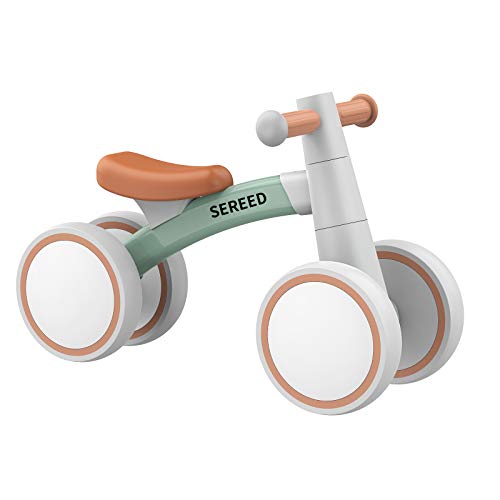
SEREED Baby Balance Bike for 1 Year Old

SEREED Toddler Balance Bike 2 Year Old Adjustable
The Strengths Of Each Pick
The Youthkkee model suits a child taking first glides on paved paths, with a low center of gravity that keeps the frame steady at walking speed. A pedal-free layout lets small riders focus on steering and balance, and the 12-inch wheel size keeps the stance compact for ages 2 to 5. For most toddlers, that smaller wheel feels less intimidating than the 14-inch and 16-inch options later in this list.
Rounded frame edges, non-slip grips, a padded seat, and puncture-resistant tires address everyday bumps and short falls. Sticker plates add a personal touch for gift giving, while adjustable seat and handlebars help the bike keep pace with growth. You can adjust height without tools, which makes quick changes between riders simpler during a park visit.
Standout Benefits
- Adjustable seat and handlebars support growing height
- Tool-free changes suit quick setup before outdoor play
- Padded seat and non-slip grips improve control
- Puncture-resistant tires reduce upkeep on paved roads
Things To Consider
- 12-inch wheel suits younger riders more than older children
- At 3.23 kg, carrying it uphill takes some effort
Step up from the Youthkkee 12-inch model and the Ridego 14-inch frame gives taller 3 to 6 year olds more leg room. Air-filled rubber tires, meaning tires that hold air for cushioning, absorb bumps on grass and gravel in a way solid tires cannot. That makes this choice appealing for backyards with mixed surfaces.
A glass-reinforced nylon frame weighs 8.16 lbs and carries up to 110 lbs, so a child can lift it over curbs with less struggle. Seat height moves from 14.2 to 18.3 inches, covering a wide growth span. On longer park outings, the light frame is easier to carry back to the car.
What Works In Its Favor
- Air rubber tires cushion grass, gravel, and pavement
- Lightweight nylon frame eases lifting and carrying
- Seat range 14.2 to 18.3 inches fits growing riders
- Footrest and padded saddle add riding comfort
- Non-slip handlebars support steering control
Worth Noting
- Air tires need occasional pressure checks
- 14-inch size may overwhelm shorter 3 year olds
Who It Suits Best
Kids ages 3 to 6 who ride on grass, gravel, and pavement and need a light frame to carry.
Where Another Pick Suits Better
GASLIKE 16 Inch Balance Bike for Big Kids Aged 4-8 (Yellow) suits taller riders ready for a larger wheel.
Big kids who have outgrown a 12-inch or 14-inch frame get a clear step up here with 16-inch pneumatic tires, meaning air-filled tires built for shock absorption. A triangular carbon steel frame adds structural rigidity for longer rides on trails and pavement. That larger footprint suits confident riders ages 4 to 8.
Seat height adjusts from 17.9 to 22.4 inches with a quick-release clamp, so fit changes stay simple as legs grow. At 6.36 kg, the bike is heavier than the nylon Ridego models, and that weight shows up when lifting it into a trunk. For most driveways, the trade-off is stability on uneven ground.
Why It Works Well
- 16-inch pneumatic tires smooth grass and gravel
- Carbon steel triangular frame adds rigidity
- Quick-release seat clamp simplifies height changes
- Non-slip rubber handles suit larger hands
Trade Offs
- 6.36 kg weight makes car loading harder
- Size is too large for toddlers under 4
- Air tires require pressure maintenance
Unlike the two-wheel models above, this Phobby ride uses four wheels for children 12 to 24 months who are still learning to walk and push. A steel frame, widened wheels, and a steering limit help prevent side falls during short indoor sessions. That setup makes sense for a first birthday gift rather than a sidewalk bike.
Soft PU seat material and non-slip handles give small hands a place to hold, while silent wheels keep noise down on smooth floors. Weight capacity reaches 55 lbs, so the frame supports early use without feeling flimsy. On uneven outdoor ground, the small 6.1-inch wheels are less suited than larger pneumatic tires.
A Strong Showing
- Four-wheel layout supports early walking practice
- Steel frame with 55 lbs capacity
- Soft PU seat and non-slip handle
- Silent wheels suit indoor play
- Steering limit reduces side falls
Small Caveats
- Small wheels limit use on rough outdoor surfaces
- Four-wheel design does not teach two-wheel balance
This second Ridego 14-inch model shares the light nylon frame idea with the earlier Ridego pick, at 8.6 lbs, and keeps the same 14.2 to 18.3 inch seat range. Inflatable rubber tires provide cushioning on grass, pavement, and gravel, which helps on mixed neighborhood routes. A soft wide saddle gives more sitting area than narrow saddles on smaller bikes.
Non-slip rubber grips help first-time riders hold steering steady during early glides. Rust-resistant construction suits outdoor storage near a garage or shed. For shorter riders, the 14-inch wheel still demands a taller inseam than a 12-inch option.
Reasons It Performs
- Inflatable tires cushion mixed terrain
- Glass-reinforced nylon frame stays light
- Wide soft saddle supports longer sits
- Rust-resistant frame suits outdoor use
Points To Note
- Inflatable tires need pressure checks
- 14-inch wheel may be tall for small 3 year olds
- Similar to the other Ridego 14-inch model
Made For
Children ages 3 to 6 who ride outdoors on grass, pavement, and gravel with a light frame.
Consider Something Else When
Youthkkee Toddler Balance Bike Tool-Free Adjustable suits smaller riders who need a 12-inch wheel.
Colorful lighting in the rear wheel gives this 10 to 36 month model a playful twist for indoor play. Spinning the wheels creates the glow without batteries or charging, so the feature adds fun without extra upkeep. You get a four-wheel, no-pedal layout similar to the Phobby pick, aimed at early walking and pushing.
Carbon steel construction, a soft PU seat, and non-slip EVA handles keep the ride stable for small hands. Closed widened wheels and a 135 degree steering limit reduce foot pinching and side falls. At 4.6 lbs, the bike is easy to carry between rooms.
Notable Gains
- Light-up rear wheel needs no batteries
- Buckle design assembles without tools in 3 minutes
- Soft PU seat and EVA handles
- 135 degree steering limit for stability
- Lightweight 4.6 lbs carry
Honest Caveats
- Four-wheel layout is for infants, not older toddlers
- Lighting feature suits indoor play more than trails
Built for 12 to 24 months, this SEREED baby model uses an aluminum alloy frame at 1.6 kg, lighter than the Gamfeiny carbon steel option. That low weight helps a toddler move the bike without help, which matters during short hallway rides. Non-slip TPU handles and a softly supportive seat suit small hands and early sitters.
Closed widened wheels and a 135 degree turning limit help prevent foot pinching and tipping. Wheels are described as non-slip and floor-friendly for indoor use. For outdoor trails, larger two-wheel models offer more rollover than this infant design.
Advantages To Know
- Aluminum alloy frame at 1.6 kg
- Floor-friendly non-slip wheels
- 135 degree turning limit
- Soft seat and TPU handle
Areas To Watch
- Infant sizing limits use after 24 months
- Small design suits smooth floors best
Right Fit For
Infants 12 to 24 months learning to walk and push on smooth indoor floors.
Not Your Match When
SEREED Toddler Balance Bike 2 Year Old Adjustable suits older toddlers ready for two wheels.
Moving from the SEREED baby model to this toddler version brings a two-wheel, no-pedal design for ages 2 to 3. Seat height starts at 12.6 inches and adjusts to 17.1 inches, while handlebars move from 19.6 to 22.5 inches. You can change both with a quick-release mechanism and no tools.
A carbon steel frame supports up to 110 lbs and weighs 3.5 kg, so packing it into a car trunk stays manageable. EVA foam airless tires, meaning foam tires that never go flat, stay quiet and anti-slip indoors and outdoors. Bonus plate and stickers let a child personalize the look.
What Stands Out
- Tool-free seat and handlebar adjustment
- Carbon steel frame supports 110 lbs
- EVA airless tires never go flat
- Footrest pad, rubber grips, soft saddle
- Personalization plate and stickers included
Points To Keep In Mind
- Airless foam tires cushion less than air tires
- Steel frame is heavier than nylon alternatives
What Matters Most Before Choosing Balance Bikes For Kids
Wheel Size And Seat Range
Wheel size changes stance and rollover. A 12-inch wheel suits younger toddlers, a 14-inch wheel fits many 3 to 6 year olds, and a 16-inch wheel suits big kids ages 4 to 8. Check seat range against inseam so feet can reach the ground flat.
Tire Type For The Surface
Pneumatic tires hold air and cushion bumps on grass and gravel. Airless foam tires avoid flats and suit smooth floors. Solid or small wheels work for indoor play but struggle on rough ground.
Frame Weight And Material
Nylon frames keep weight near 8 lbs for easy carrying. Carbon steel frames add rigidity but increase weight toward 6.36 kg on larger models. Match frame weight to how often the bike goes in a car trunk.
Safety Details For Small Riders
Non-slip grips, padded seats, rounded edges, closed wheels, and steering limits matter for infants and toddlers. Four-wheel models support early pushers, while two-wheel models teach balance for a later pedal bike.
Key Considerations Across These Picks
Common Shopping Slip Ups
Sizing by age alone causes most mismatches, since height and inseam vary widely. Measure seat range and wheel size before choosing, and confirm tire type matches the main riding surface.
What The Higher Tier Buys
Larger steel frames and pneumatic tires cost more because of material and cushioning. That upgrade pays off for older kids riding trails regularly, while infants gain little from a large-wheel model.
Frequently Asked Questions
What age is best for a balance bike?
A balance bike suits children from about 10 months for four-wheel models to age 8 for 16-inch models. Height and inseam matter more than age alone for fit.
How do you choose the right wheel size?
Match wheel size to height, with 12 inches for younger toddlers and 16 inches for big kids. Feet should reach the ground flat when seated.
Are air tires better than foam tires?
Air tires cushion bumps on grass and gravel but need pressure checks. Foam airless tires avoid flats and suit smooth indoor floors.
When should a child move to a pedal bike?
A child who steers, balances, and stops with feet shows readiness for pedals. Balance practice on two wheels helps that transition.
Can balance bikes be used indoors?
Four-wheel infant models and foam-tire models suit smooth indoor floors. Check wheel material to avoid marking floors on hard surfaces.
Final Verdict
For a first two-wheel ride, the Youthkkee Toddler Balance Bike Tool-Free Adjustable fits younger toddlers with adjustable height. For mixed outdoor routes, the Ridego 14 Inch Balance Bike for Kids 3-6 offers light carrying and cushioned tires. Match wheel size to height, and choose tire type for the main surface.