
A power meter turns effort into numbers that show progress on climbs and steady efforts. You need a model that matches your drivetrain and computer setup, not just a low headline figure. The picks below mix crankset power meters, GPS computers, and a tire gauge for roadside checks. Each option suits a different budget and training goal.
The Leading Options At A Glance
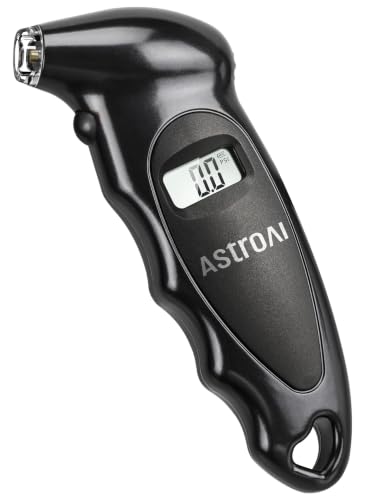
AstroAI Digital Tire Pressure Gauge 200PSI

BKVTOP Wireless GPS Bike Computer 50g 2.4 Screen

GEOID PM500 Bike Power Meter Crankset 680g

ThinkRider PP5 Spider Power Meter 110 BCD

Wireless GPS Bike Computer 50g 2.4 Screen

AstroAI Digital Tire Pressure Gauge 150PSI

CYCPLUS Wireless GPS Bike Computer G1 70g

CYCPLUS GPS Wireless Bike Computer M1 2.9 LCD
Inside Each Recommended Option
Low tire pressure quietly raises rolling resistance and makes steering feel vague on a bike or in a car. This gauge addresses that basic check with a 0 to 200 PSI range, so the same tool covers bicycle tires through truck tires.
You can keep it in a glove box or saddle bag for quick morning checks before a commute. The backlit LCD helps in dark garages, and one button switches PSI, BAR, KPA, and KG/CM2. In our view, that unit flexibility matters for riders who travel or use different vehicles.
Everyday Advantages
- ANSI B40.7 Grade 2A calibration with plus or minus 0.5 percent accuracy
- Backlit high contrast display for sun and low light
- AAA power for easy replacement in cold weather
- Anti slip grip for gloved hands at the valve
- Auto shutoff helps preserve battery between checks
Things To Consider
- 200 PSI range exceeds most bike needs, so readings sit at the low end of the scale
- AAA batteries are included in the concept but still need periodic replacement
GPS tracking without a wheel sensor keeps installation simple, and this 50 gram unit leans into that simplicity. Speed, distance, and ride time come from satellite position rather than a spoke magnet.
Altitude, gradient, and accumulated ascent add context for hilly routes, which helps commuters learn a new climb. The out front mount places the 2.4 inch screen ahead of the handlebar, a layout that suits riders who glance down often.
Strengths Worth Knowing
- Built in GPS removes wheel sensor setup
- 50 gram weight keeps handlebar load low
- IPX7 rating for rain riding
- Up to 28 hours runtime per charge
- Green auto backlight for low light visibility
Worth Noting
- Standalone GPS design limits external sensor pairing
- 28 hour runtime trails longer endurance computers in this list
Unlike the GPS computers above, this crankset measures power directly at the cranks, which gives structured training data rather than route data alone. Dual sided measurement shows total power plus left and right balance, and cadence from 20 to 240 RPM.
With this setup, you get pedaling smoothness and quadrant analysis to spot technique gaps over time. The 6061 aluminum crank and CNC machined 7075 spider keep total weight at 680 grams for the 170mm crank plus spider combination.
What Stands Out
- Plus or minus 1.5 percent accuracy with temperature compensation
- Left right balance and pedaling smoothness tracking
- Up to 300 hours per charge with magnetic charging
- Bluetooth and ANT+ for major bike computers
- 110 BCD four bolt pattern for single or double chainrings
Trade Offs
- Full crankset replacement requires drivetrain compatibility checks
- 165mm length in the title differs from the 170mm weight reference
- Shimano 12 speed compatibility is stated, other groupsets need checking
Spider mounted meters keep the existing crank arms and swap only the center section, and this PP5 follows that approach for 110 BCD four bolt chainrings. Dual sided measurement reports total output, left and right split, and cadence for balanced training.
For riders already on a compatible Easton spec interface, installation stays focused on the spider rather than a whole crankset. You can pair it with Garmin or Wahoo computers through Bluetooth or ANT+, which keeps indoor and outdoor setups flexible.
What Works In Its Favor
- Dual sided power for left right balance work
- Up to 300 hours runtime with magnetic fast charging
- IPX7 construction for rain and mud
- Aluminum build for road use
Minor Gripes
- Easton spec interface only, so crank compatibility must be confirmed first
- 110 BCD four bolt pattern excludes other chainring standards
Who It Suits Best
Road riders with an Easton spec 110 BCD four bolt crankset who want left right data without replacing the full crank.
Where Another Pick Suits Better
GEOID PM500 Bike Power Meter Crankset 680g suits riders who prefer a complete crankset package with stated Shimano 12 speed compatibility.
This standard mount version shares the core GPS formula with the out front BKVTOP model, including speed, distance, and total mileage without a wheel sensor. Temperature, altitude, and gradient round out the hill data.
The standard mount sits closer to the stem, which suits riders who prefer a tidy cockpit over an extended position. Auto start and stop simplifies recording on short commutes, and the green backlight helps after dark.
Where It Delivers
- 50 gram GPS unit with 2.4 inch screen
- IPX7 rating for wet weather rides
- Up to 28 hours runtime
- MPH and KMH unit selection
Room For Improvement
- Standalone design does not support app connection or external sensors
- Standard mount may place the screen lower than an out front mount
- Mount style must be selected before ordering
Made For
Commuters and leisure riders who want basic GPS data with a conventional handlebar mount.
Consider Something Else When
CYCPLUS GPS Wireless Bike Computer M1 2.9 LCD suits riders who need Bluetooth, ANT+, and external sensor support.
Compared with the 200 PSI AstroAI gauge earlier, this 150 PSI model trims the top end while adding a Presta to Schrader adapter. That adapter matters for road bikes, because Presta valves are common on higher pressure tires.
You can press the illuminated nozzle onto the valve for a quick reading in 0.1 increments, which helps spot small changes before a ride. Two AAA batteries replace coin cells, and the unit switches off after 20 seconds without input.
The Practical Payoff
- 0 to 150 PSI range with 0.1 increments
- Presta to Schrader adapter for bike valves
- Two AAA batteries for longer service life
- Non slip ergonomic grip for varied hand sizes
- Four unit settings including BAR, KPA, and Kgf/cm2
Points To Note
- 150 PSI ceiling excludes higher pressure truck applications covered by the 200 PSI model
- 20 second auto shutoff may require a restart during longer checks
The G1 trades a smaller 2.0 inch screen for a 1200 mAh battery and more than 55 hours of sustained use. That trade suits long weekend rides where charging access matters more than a large display.
FSTN backlit screen technology aims for sunlight readability, and tempered glass adds scratch resistance. GPS shows ride time, distance, total mileage, clock, and current altitude, with sleep mode after 10 minutes of inactivity.
Practical Pluses
- 1200 mAh battery with more than 55 hours use
- 70 gram body for a light cockpit
- IPX6 waterproof design for rain
- Tempered glass screen
Small Caveats
- 2.0 inch screen is smaller than the 2.4 and 2.9 inch models listed
- IPX6 rating differs from IPX7 models for wet weather margin
Right Fit For
Long distance riders who prioritize battery life over screen size for weekend routes.
Not Your Match When
BKVTOP Wireless GPS Bike Computer 50g 2.4 Screen suits riders who prefer a larger screen and out front mount position.
Screen size jumps to 2.9 inches here, which makes data easier to scan mid ride compared with the G1. Four satellite positioning and a Swiss imported navigation chip support faster, more accurate GPS tracking.
You can connect speed, cadence, heart rate, and power sensors through Bluetooth and ANT+, then sync routes to Strava through the CYCPLUS FIT app. The included speed and cadence sensor can switch modes, and the mount fits 31.8 mm handlebars.
A Favorable Mix
- 2.9 inch FSTN backlit LCD with tempered glass
- 1200 mAh battery with more than 60 hours use
- Bluetooth and ANT+ sensor support
- Strava sync through the app
- IPX6 waterproof design
Honest Caveats
- 31.8 mm handlebar requirement limits mount compatibility
- Time zone setup is required before first use
- Larger screen adds cockpit bulk compared with 50 gram models
What To Check Before You Commit
Drivetrain Compatibility Comes First
Crankset and spider meters depend on bolt pattern, crank length, and interface. You should confirm BCD, bolt count, and groupset compatibility before ordering, because a mismatch blocks installation entirely. GPS computers avoid that issue, since satellite tracking needs no drivetrain parts.
Screen Size Versus Battery Life
Larger screens improve readability at speed, while larger batteries extend time between charges. Riders on short commutes may value a compact 50 gram unit, and riders on long routes may prefer the 1200 mAh models. Mount position also affects glance time, with out front mounts keeping data closer to the eyes.
Sensor Support and Data Goals
Power meters deliver watts, cadence, and balance for structured training, while GPS computers deliver speed, distance, and elevation for route tracking. Some GPS models pair with external sensors and apps, and others operate standalone. Matching data goals to hardware prevents paying for features that go unused.
Key Considerations Across These Picks
Common Shopping Slip Ups
Overlooking crank compatibility causes the most avoidable problems in this category. Another frequent slip is choosing a small screen for rides where data checks happen at speed. Checking mount diameter and valve type before ordering sidesteps both issues.
What The Higher Tier Buys
Higher tier cranksets add dual sided measurement, temperature compensation, and longer battery intervals. Larger GPS screens and sensor connectivity also raise capability for structured training. The upgrade pays off when training plans use balance data or app sync on a regular basis.
Frequently Asked Questions
What does a bike power meter measure?
A bike power meter measures watts produced at the crank or pedals, plus cadence. Dual sided models also show left and right balance for technique work.
Do GPS bike computers measure power on their own?
Most GPS computers in this list track speed, distance, and elevation without measuring power. Power data requires a separate crankset, spider, or pedal meter paired through Bluetooth or ANT+.
How long do these batteries last?
Crankset meters listed here reach up to 300 hours per charge. GPS computers range from 28 hours to more than 60 hours depending on model and screen use.
Are these devices waterproof for rain?
IPX6 and IPX7 ratings cover rain riding for the computers and power meters listed. You should still dry devices after wet rides and follow charging instructions for wet connectors.
Which tire gauge works for road bikes?
The 150 PSI AstroAI model includes a Presta to Schrader adapter for road bike valves. The 200 PSI model suits higher pressure applications across cars and trucks.
Wrap Up
For structured training, the GEOID PM500 and ThinkRider PP5 deliver dual sided power data at a lower entry point than many established systems. For route tracking, the BKVTOP and CYCPLUS computers cover daily rides with different screen and battery trade offs. Match the choice to drivetrain, data goals, and ride length, and the right pick becomes clear.