
A 29 inch wheel rolls over roots, gravel, and rough pavement with less effort than smaller wheels, and that difference shows up quickly on a weekend trail or a longer commute. Tall riders often feel more settled on a larger frame, while shorter riders need to check standover and saddle height before committing. You get a smoother ride across uneven ground, and your choice comes down to frame material, gear range, brake type, and whether the bike is built for trails, streets, or mixed roads.
A Side-By-Side Look

Ktaxon Mountain Bike 29 Inch 21-Speed (Matte Black)

Elite BMX Freestyle Bike 29 inch (Black B29)

Throne Cycles Da’ Goon BMX 29 inch Single-Speed

EOYOBIKE Hybrid Bike 29 inch Granite Smoke 17 inch Frame

CamPingSurvivals 29 Inch Mountain Bike 21-Speed (Red)

CamPingSurvivals 29 Inch Mountain Bike 21-Speed (White)
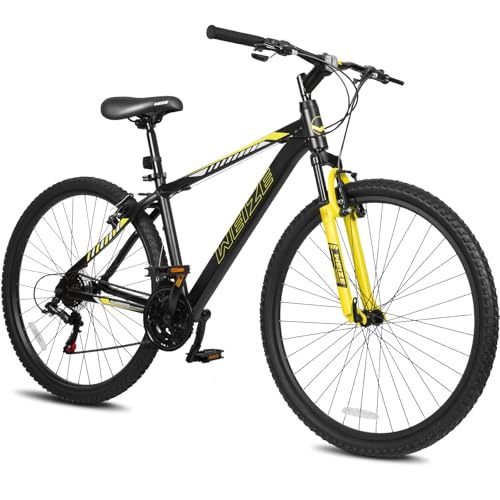
WEIZE Hardtail Mountain Bike 29 Inch 21-Speed

CamPingSurvivals 29 Inch Mountain Bike Men Women
A Deeper Look At The Lineup
Trail riders who want gears for climbs and descents get a clear starting point here. A 21-speed drivetrain, meaning three front chainrings paired with seven rear cogs, covers steep pitches and flatter connectors without constant shifting. You benefit from the lock-out front fork, which lets the suspension be firmed up on smooth pavement and opened for rough sections.
High-carbon steel forms the frame, a material that handles knocks well and keeps the build straightforward to maintain. Mechanical disc brakes act on both wheels, giving stronger control in wet conditions than rim brakes, which press pads against the wheel rim. Assembly covers the handlebar, seat, front wheel, and pedals, with brake and gear adjustment after that.
Where It Helps
- 21 speeds suit climbs, flats, and descents
- Dual disc brakes add wet-weather control
- Lock-out fork adapts to pavement and trails
- Quick-adjust seat clamp simplifies height changes
- Water bottle holder and tools included in the package
Things To Consider
- Steel frame adds weight compared with aluminum options
- Assembly requires brake and gear fine-tuning
Freestyle riding needs a different kind of 29 inch bike, and this BMX model strips away gears and suspension for a rigid, single-speed setup. A steel frame suits repeated impacts from jumps and landings, and the 29 inch wheel gives taller riders a larger platform than a traditional 20 inch BMX. The trade-off is clear: pavement efficiency and hill climbing take a back seat to trick control.
An alloy top-load stem with 50 mm reach sets handlebar position, while a 9T driver and three-piece crank shape the single-speed drivetrain. Pegs are included for grinding, and a U-brake provides rear stopping. Sizing matters here, so height and inseam should be checked against the 29 inch frame before ordering.
What Works In Its Favor
- Steel frame handles freestyle impacts
- Single-speed layout keeps maintenance simple
- Included pegs support grinding tricks
- Large wheel suits taller BMX riders
Worth Noting
- Rigid fork transmits bumps on rough pavement
- Single speed limits hill climbing
- Bike pump is not included
Who It Suits Best
Taller riders focused on BMX tricks, jumps, and street skills benefit most from this rigid single-speed build.
Where Another Pick Suits Better
Throne Cycles Da’ Goon BMX 29 inch Single-Speed suits urban riders who want wide tires and disc or V-brake options.
City cruising with BMX attitude is the clear angle here, unlike the geared mountain bikes earlier in the lineup. Wide tires add grip on pavement, light trails, and jump lines, and high-rise handlebars place hands in an upright position for control during wheelies and tight turns. A single-speed drivetrain keeps the setup simple for daily street use.
Size choice changes standover height, with the 29 inch version listed at 31.25 inches, so shorter riders should measure carefully. Brake configuration depends on the selected size, color, and model, with rear disc brake or V-brake options, where a V-brake uses pads against the rim. An adjustable seat helps fine-tune fit as riding style changes.
Positive Takeaways
- Wide tires improve street and trail grip
- High-rise bars support upright control
- Single-speed setup reduces maintenance needs
- Multiple wheel sizes allow fit matching
Trade Offs
- Rigid suspension feels harsh on rough trails
- 29 inch standover may suit taller riders better
Commuters who carry a bike up apartment stairs get a lighter option here than steel mountain models. At 29.5 lbs with an aluminum frame, this hybrid moves more easily through transit racks and tight hallways. You carry it up stairs without the same shoulder strain, and 700C wheels, the road-bike size equivalent to 29 inches, roll efficiently on pavement.
Eight speeds handle bridges and rolling city terrain, while front and rear mechanical disc brakes provide stopping power in rain. A rigid fork transfers pedaling energy directly, which suits smooth roads more than rocky trails. The 285×170 mm saddle and quick-release seat clamp make height changes tool-free, and the medium 17 inch frame fits riders from 5’2″ to 5’7″.
What It Does Well
- 29.5 lb aluminum frame eases carrying
- 700C wheels roll efficiently on pavement
- Dual disc brakes suit wet city streets
- Tool-free seat adjustment speeds setup
- 85% pre-assembled build shortens setup time
Minor Gripes
- Rigid fork offers little bump absorption
- Frame sizing requires careful height matching
Long descents and rock gardens call for straight-line stability, and the extended wheelbase here helps the bike hold a line at speed. A 21-speed drivetrain gives a gear for climbs, flats, and descents, with the derailleur, the rear gear-changing mechanism, factory-calibrated for cleaner shifts. Dual disc brakes mount at the hubs, so braking stays consistent regardless of wheel alignment.
Lightweight aluminum alloy wheels use specially shaped spokes to cut wind resistance, and front and rear reflectors support visibility in low light. Setup covers the front wheel, handlebars, saddle, and pedals, with tools included and a QR-linked video guide alongside the printed manual. In our view, that support matters for first-time assemblers.
Useful Strengths
- Extended wheelbase aids straight-line stability
- Dual disc brakes give consistent stopping
- 21 speeds cover varied terrain
- Tools and video guide included
- Front and rear reflectors included
Points To Note
- 75% pre-assembly still requires several steps
- Large wheels need storage space for turning
Made For
Trail riders who want gears, disc brakes, and assembly support in one package benefit most from this red version.
Consider Something Else When
WEIZE Hardtail Mountain Bike 29 Inch 21-Speed suits riders who prefer an aluminum hardtail with V-brakes and trigger shifting.
Color is the main visual difference from the red version, while the core setup stays focused on mixed terrain. Twenty-one speeds and dual disc brakes handle the shift from pavement connectors to dirt sections, and an adjustable saddle helps match fit across riders. All-terrain tires, meaning tread patterns designed for both road and off-road surfaces, add grip without locking the bike to one surface.
Dual suspension is listed for this version, which changes the feel compared with a hardtail that only cushions the front. That setup can suit riders who ride varied surfaces in one outing, though it adds complexity to setup and storage. Tools are included, and assembly follows the same front wheel, handlebar, saddle, and pedal steps.
Strengths Worth Knowing
- 21 speeds suit mixed road and trail routes
- Dual disc brakes support controlled stops
- Adjustable saddle aids fit matching
- All-terrain tires handle varied surfaces
Small Caveats
- Dual suspension adds setup complexity
- Assembly still needs careful adjustment
New riders exploring gravel paths and light trails get a straightforward hardtail here, meaning only the front fork cushions bumps. An aluminum frame keeps weight lower than steel, and a front suspension fork absorbs uneven sections while the rigid rear keeps pedaling response direct. You get 21-speed trigger shifting for smooth changes across flat roads and hills.
Wide knobby tires add grip on loose surfaces, and double-wall aluminum rims add strength without excessive weight. Aluminum V-brakes provide front and rear stopping, a simpler system than discs but with more pad wear in wet conditions. A comfort saddle with adjustment supports longer fitness rides and commuting stretches.
Useful Highlights
- Aluminum frame keeps weight manageable
- Front suspension smooths light trails
- 21-speed trigger shifting is easy to learn
- Knobby tires add off-road grip
Honest Caveats
- V-brakes need more attention in wet conditions
- Hardtail rear transmits trail bumps directly
Stability on longer rides is the focus, with an extended wheelbase that helps hold a line through rock gardens and faster straights. Twenty-one speeds and dual disc brakes match the setup on the red and white versions, giving a familiar gear range and hub-mounted braking. Lightweight aluminum alloy wheels and front and rear reflectors round out the trail-ready package.
Assembly is listed at 75% pre-assembled, with the front wheel, handlebars, saddle, and pedals left to install. Tools are included, and a QR-linked video walks through each step alongside the printed manual. For most backyards with limited storage, the long wheelbase deserves a quick space check before delivery.
Why It Works Well
- Extended wheelbase supports straight-line stability
- Dual disc brakes deliver consistent control
- 21 speeds suit climbs and descents
- Tools and video guide included
- Reflectors support low-light visibility
Points To Keep In Mind
- Long wheelbase needs storage space
- Assembly requires several installation steps
Right Fit For
Riders who prioritize stability on descents and longer trail routes benefit most from this extended-wheelbase build.
Look Elsewhere When
EOYOBIKE Hybrid Bike 29 inch Granite Smoke 17 inch Frame suits commuters who need a lighter aluminum frame for pavement.
What To Check Before Picking A 29 Inch Bike
Frame Size and Standover
Standover height is the clearance between the top tube and the ground when standing over the frame. Tall riders often settle naturally on 29 inch wheels, while shorter riders should confirm saddle height and reach before ordering. A quick-release seat clamp or quick-adjust post makes later fit changes simpler.
Gear Range and Brakes
Twenty-one speeds suit hills and mixed terrain, eight speeds cover most city routes, and single-speed setups suit flat urban riding. Disc brakes act at the hub and hold up well in wet conditions, while V-brakes press pads against the rim and need more frequent pad checks. Your route decides which system earns its place.
Suspension and Tire Choice
Front suspension softens bumps on trails, dual suspension adds rear cushioning, and rigid forks keep steering direct on pavement. Wide knobby tires grip loose surfaces, while narrower road tires roll faster on smooth streets. Matching tires and suspension to the main riding surface prevents paying for features that stay unused.
Weight and Storage
Aluminum frames generally weigh less than steel, which matters for stairs, transit racks, and lifting into a car. Long wheelbases and large wheels also need garage or hallway space for turning and storage. Measuring the storage area before delivery avoids a tight fit later.
Two Points That Shape The Choice
Common Shopping Slip Ups
Ordering by wheel size alone leads to fit problems, since frame height and standover vary across brands. Skipping the brake and gear check also causes trouble, because disc and V-brake systems suit different climates and maintenance preferences. A short fit check saves returns.
What The Higher Tier Buys
Higher-tier builds often pair aluminum frames with disc brakes and wider gear ranges, which help on mixed terrain. Premium pricing reflects materials and component choices, not a promise of a better ride on every route. Upgrades pay off for frequent trail riders, while city commuters may gain little from extra gears.
Frequently Asked Questions
Which riders suit a 29 inch bike best?
Taller riders and those riding gravel, light trails, or rough pavement suit 29 inch wheels well. Shorter riders should check standover height and saddle adjustment range first.
Are disc brakes better than V-brakes?
Disc brakes provide stronger control in wet and muddy conditions. V-brakes remain simpler to maintain and suit dry pavement riding.
How many speeds does a trail rider need?
Twenty-one speeds give a wide range for climbs, flats, and descents. Eight speeds handle most city terrain, and single-speed setups suit flat routes.
Can a 29 inch bike handle city commuting?
Hybrid models with 700C wheels and rigid forks roll efficiently on pavement. Mountain models with knobby tires feel slower on smooth roads but handle mixed routes.
What assembly should be expected?
Most models arrive partially assembled, with handlebars, seat, front wheel, and pedals to install. Tools and instructions are included on several models listed here.
Final Thoughts
Trail riders get strong all-rounders from the Ktaxon and CamPingSurvivals mountain models, while commuters should look closely at the lightweight EOYOBIKE hybrid. BMX fans have two distinct single-speed paths, with the Elite model for freestyle and the Throne Cycles model for urban cruising. Matching frame size, gear range, and brake type to the main route leads to the right choice.