A dark commute turns a simple ride into a visibility problem, with intersections and unlit paths demanding light that drivers can notice from the side. Lumens measure total light output, so higher numbers signal brighter output, while beam shape decides where that light lands. Your route decides the right mix of front coverage, rear visibility, and mounting style.
The Lineup, Simplified
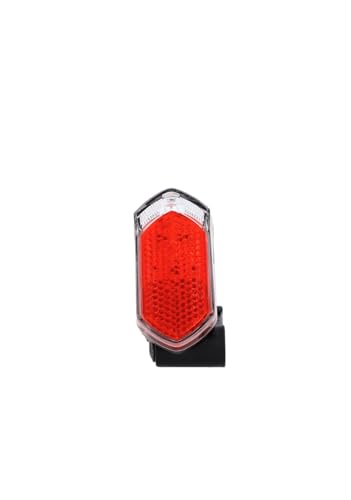
fischer Dynamo LED Rear Light Mudguard Attachment Red

SUYIWEE 1200LM Wide Angle Bike Lights Front Rear

TioyFiuy Bike Lights Front and Back Set 9+9 Modes

Bike Lights Night Riding Rechargeable Taillights 9+9 Modes

Magicshine URBO Bike Light Cut-off Lightweight

RAVEMEN FR1100 SE/FR500 Bike Headlight 270°

MagicShine URBO COMBO Bike Lights Front and Back

Super Bright 7800Lumen Bike Light 6 LED Set
More Details On Our Top Picks
A rear light built for mudguard or strut mounting suits commuters who ride the same streets after sunset. Mounting hardware is included, so installation stays straightforward on a compatible frame. For most commuters, that fixed position keeps the light steady and visible from behind.
An integrated reflector adds passive visibility alongside the LED, and the LED is rated for up to 50,000 hours of service life. That long rating matters for a commuter who prefers a set and forget setup. Unlike the rechargeable sets later in this list, this choice centers on rear coverage only.
Where It Delivers
- Mudguard and strut mounting options for flexible placement
- Integrated reflector supports visibility from behind
- Long LED service life reduces replacement frequency
- Included mounting screw simplifies attachment
Things To Consider
- Rear only, so front illumination needs a separate light
- Mounting depends on mudguard or strut compatibility
Side visibility at intersections drives the design here, with a 270 degree wide angle beam and dual side emission lenses. Your handlebar setup gets a front light rated at 1200 lumens, while the rear light adds five flashing patterns for traffic behind. IP65 is a water and dust resistance rating that signals protection against rain and splashes.
Quick release brackets let both lights come off in seconds for charging, and a battery indicator flashes below 20 percent charge. Dual USB-C ports allow both lights to charge from one cable. That convenience differs from the fischer rear light, which focuses on a single fixed mount.
Well-Handled Touches
- 270 degree beam improves side visibility at junctions
- Eight combined modes across front and rear lights
- Quick release brackets simplify removal for charging
- Dual USB-C charging reduces cable clutter
- Low battery indicator gives advance warning
Worth Noting
- Front runtime is 6 hours on high and 7 hours on low
- Wide beam suits roads better than narrow trails
Who It Suits Best
Commuters crossing busy junctions who want strong side visibility from both lights.
Where Another Pick Suits Better
Magicshine URBO Bike Light Cut-off Lightweight suits riders who prefer a focused road beam over a wide flood.
Light weight shapes the appeal here, with each light at 35 grams and a simple strap mount that needs no tools. You get a 300 lumen front light and a 100 lumen rear light, each with nine modes and memory for the last setting. That pairing covers evening commutes and short trail sections without adding bulk.
A 750mAh battery runs 4 to 20 hours depending on mode, and a dual wire cable charges both lights in about 1.5 hours. ABS plus PS plastic construction keeps the housing shock resistant and waterproof. Compared with the SUYIWEE set, output is lower but the lighter weight and faster charge stand out.
Real-World Strengths
- 35 gram weight per light keeps handling neutral
- Tool free silicone straps fit multiple frames
- Memory function restores the last mode
- Dual cable charging completes in 1.5 hours
Trade Offs
- 300 lumen front light is modest for unlit rural roads
- Battery is non detachable, so charging happens on the light
Mode control gets detailed here, with strip only, center only, and full light patterns in low, high, and flash. Your commute starts faster because last mode memory returns each light to the prior setting. Flexible silicone straps handle bikes, eBikes, and scooters without tools.
Each light weighs about 1.2 ounces and uses a 750mAh battery for 4 to 20 hours of runtime. A dual head USB cable charges both lights in about 2.5 hours. The honest read is that charging takes longer than the TioyFiuy set, while mode variety is broader.
The Value In It
- Last mode memory cuts setup time before rides
- Three beam patterns give control over light spread
- Silicone straps allow quick removal for charging
Minor Gripes
- 2.5 hour charge time is slower than some rivals
- Non detachable batteries limit charging flexibility
- Many modes can feel complex for occasional riders
Made For
Daily commuters who use the same mode each ride and value quick restarts.
Consider Something Else When
TioyFiuy Bike Lights Front and Back Set 9+9 Modes suits riders who prefer a shorter charge time.
A cut off beam shapes the character of this front light, sending light downward with a sharp horizontal line. You value courtesy on shared paths, and that beam pattern reduces glare for oncoming traffic while widening lateral coverage. Output reaches 300 lumens with a stated 147 meter range.
Weight is 48 grams, and a 900mAh battery runs up to 14.5 hours in flash mode and 10.5 hours in low mode. USB-C charging takes 2 hours, and IPX6 protection covers heavy rain and road spray. A quarter turn mount removes without tools, which suits daily commuting.
What Helps Most
- Cut off optics limit glare for other path users
- 48 gram weight preserves steering feel
- Smart lockout prevents accidental battery drain
- Real time battery indicator shows charge status
Room For Improvement
- Front light only, rear coverage needs a separate unit
- Focused beam is less suited to wide trail flooding
Computer integration sets this front light apart, with compatibility for Garmin and Wahoo systems straight from the box. You already use a cycling computer, and stacking the light below it keeps the cockpit tidy. Auto on and off mode reduces the chance of leaving the light running after a ride.
Two LEDs deliver up to 500 lumens in solid mode, with six modes including three flashing options for daytime visibility. A 270 degree viewing angle helps side detection, and an aluminum alloy base with air grooves aids heat dissipation. Weight is 101 grams, heavier than the Magicshine URBO, while computer fit is stronger.
What Works In Its Favor
- Garmin and Wahoo compatibility streamlines cockpit setup
- Auto on and off mode handles routine starts
- 270 degree angle improves side visibility
- Aluminum base helps manage heat during long rides
- Lanyard adds security on rough roads
Points To Note
- 101 gram weight is higher than ultra light rivals
- Out front mount is not included in the package
Front and rear coverage arrive together, with a cut off front beam and a rear light that brightens under braking. You prefer hands free operation, and vibration activation wakes the tail light when riding starts. Total weight is 77 grams across both lights, which keeps the setup light for road bikes.
The front light delivers 300 lumens from a 900mAh battery, while the rear light adds 50 lumens from a 600mAh battery and runs up to 82 hours in Eco Flash. USB-C charging takes 2 hours for the front and 1.5 hours for the rear. That rear runtime far exceeds the TioyFiuy rear light, while front output stays modest.
Strengths Worth Knowing
- Brake sensor increases rear brightness during deceleration
- Vibration activation removes manual switching
- 82 hour rear runtime in Eco Flash mode
- Quarter turn mounts install without tools
Softer Spots
- Front output is 300 lumens, lower than high output sets
- Smart features add complexity for simple needs
Right Fit For
Road and city riders who want automatic rear brightness without extra switches.
Not Your Match When
SUYIWEE 1200LM Wide Angle Bike Lights Front Rear suits riders who need higher front output for unlit roads.
Scale defines this set, with six LEDs in the front light and a stated 7800 lumen output across a 270 degree wide angle. You ride unlit roads, and the horizontal design aims to extend visible distance while widening coverage. An aluminum alloy shell with anodized finish supports heat dissipation and corrosion resistance.
Runtime reaches up to 72 hours on a charge, and the front light can also charge a phone or other device. A 360 degree rotating bracket adjusts angle without dismantling the mount. IPX6 protection covers rain and snow, and power indicators shift from green to red as charge drops. Nothing flashy about the mode list, but the hardware feels substantial.
Useful Highlights
- Aviation aluminum shell handles drops and heat
- 72 hour runtime suits long stretches between charges
- 360 degree bracket adjusts light angle quickly
- Phone charging function adds emergency utility
- IPX6 rating covers rain and snow exposure
Small Caveats
- Large aluminum body adds weight compared with plastic sets
- High output needs careful aiming on shared paths
What Matters Most Before Choosing Bicycle Dynamo Light
Beam Shape and Mounting
A cut off beam keeps light on the road surface and limits glare, while a wide flood spreads light to the sides for junctions. Mounting style decides daily ease, from mudguard fixed rear lights to quick release straps and quarter turn mounts. Check frame compatibility before purchase, since a mudguard mount needs matching hardware points.
Battery and Charging
Runtime figures depend on mode, so flash settings often run far longer than high output settings. USB-C charging is common across rechargeable sets, and dual cable systems charge front and rear together. Your setup benefits from a clear battery indicator, since a low charge warning prevents a dark ride home.
Weight and Weather Protection
Lightweight plastic housings keep steering neutral, while aluminum bodies add durability and heat management at higher weight. IP ratings describe resistance to water and dust, with higher numbers indicating stronger protection. You plan longer routes in wet weather, so matching the rating to local conditions matters more than chasing the highest number.
Key Considerations Across These Picks
Common Shopping Slip Ups
Chasing lumen numbers without checking beam shape leads to glare or narrow coverage. Ignoring mount compatibility causes returns when a light lacks a fitting point on the frame. Comparing runtime across different modes also misleads, since flash mode figures dwarf high mode figures.
What The Higher Tier Buys
Higher tier models often add computer integration, brake sensors, and auto on and off functions. Aluminum construction and stronger water ratings also appear at higher levels. Those additions pay off for frequent commuters and road riders, while occasional evening riders gain less from automation.
Frequently Asked Questions
What is the difference between a dynamo light and a rechargeable light?
A dynamo light draws power from a hub generator while riding, while rechargeable lights use built in batteries charged through USB. Rechargeable sets dominate this list because they offer varied modes and easy removal.
How many lumens suit city commuting?
A front output around 300 lumens covers lit streets and shared paths for many commuters. Higher output suits unlit roads, where distance and width matter more.
What does IPX6 mean for a bike light?
IPX6 indicates protection against powerful water jets and heavy rain exposure. That level suits regular riding in wet conditions, with the charging port kept sealed.
Can one light cover front and rear needs?
A single front light leaves rear visibility to a separate rear light or reflector. Front and rear sets simplify coverage and usually cost less than buying both units separately.
How long do rechargeable bike lights run per charge?
Runtime ranges from a few hours on high output to many hours on flash or eco modes. You can compare models by checking runtime for the specific mode used most often.
Final Thoughts
Your route should drive the final call, from mudguard mounted rear coverage to a wide angle combo for junctions. MagicShine URBO COMBO Bike Lights Front and Back balances weight, automation, and rear runtime for commuters, while the Super Bright 7800Lumen Bike Light 6 LED Set suits unlit roads. Match beam, mount, and battery to the rides ahead.