
Worn pads turn short stops into long, noisy ones, and a daily commuter feels that change first on damp morning routes. A squeal on your usual route often signals thin pads, glazed surfaces, or contamination rather than a failed caliper.
Compatibility comes down to caliper shape, not frame brand, so matching the original pad matters more than the bike name. Semi-metallic compounds balance bite, heat handling, and wear for mixed road and trail use.
The Choices Worth Comparing

AGPTEK Bike Brake Pads 2 Pairs Semi-Metal

4 Pairs Bike Brake Pads with Install Tools

25 Pairs Bike Brake Pads with Install Tools
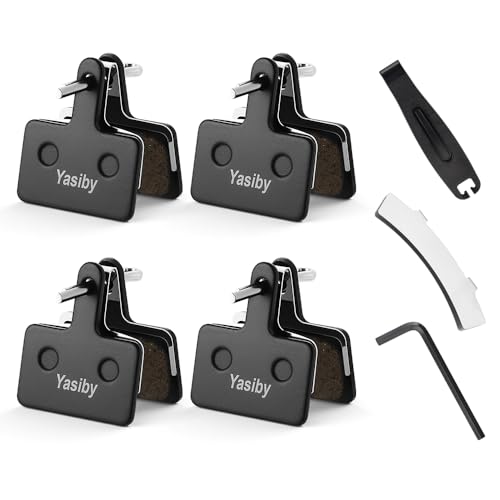
Bike Brake Pads 4 Pairs with Installation Tools

Datanly 25 Pairs Disc Brake Pads TRP Tektro Shimano

4 Pairs Bike Disc Brake Pads Tektro Shimano TRP

4 Pairs Bike Brake Pads Resin Semi-Metallic

AGPTEK Bike Brake Pads Semi-Metal
Taking A Closer Look At The Options
The AGPTEK 2-pair set suits riders who want a straightforward replacement without surplus stock. Its semi-metallic compound aims for a middle ground between response, heat dissipation, and wear resistance, which fits mixed city and trail routes. Matching your original pad shape before ordering keeps the swap simple.
Compared with the larger tool bundles later in this list, this option keeps the focus on pads alone. That trade-off makes sense for a single-bike household with basic tools already in the garage. Wet-weather tolerance is part of the design brief, though bedding-in still matters for consistent feel.
What Stands Out
- Semi-metallic mix balances bite and wear
- Two pairs cover front and rear
- Moisture and heat tolerance for bad weather
Things To Consider
- No installation tools included
- Compatibility depends on exact caliper shape
This 4-pair bundle adds three tools that first-time mechanics often lack at home. You get a gap regulator, a piston press, and a hex wrench alongside copper-fiber and resin pads, so the job does not stall halfway. That packaging is the main reason to consider it over the AGPTEK 2-pair set.
The compound targets wear resistance and lower noise, with resin helping protect the disc surface. Pushing pistons fully back before fitting new pads remains essential, since thicker pads otherwise will not slide into the caliper. The broad Shimano and Tektro list still requires a shape match against the old pads.
Reasons It Performs
- Three installation tools included
- Copper fiber and resin compound
- Four pairs for multiple swaps
- Lower-noise design for disc care
Worth Noting
- Tool quality depends on careful piston reset
- Long model list still needs shape confirmation
Who It Suits Best
First-time home mechanics replacing pads on one or two bikes benefit most from the included tools.
Where Another Pick Suits Better
Shops and clubs needing volume should look at 25 Pairs Bike Brake Pads with Install Tools instead.
Volume defines this choice, with 25 pairs aimed at shops, clubs, and teams rather than a single rider. Your storage shelf needs room for bulk stock, and that scale is the honest trade-off against smaller sets. The same copper-fiber and resin compound appears here as in the 4-pair tool bundle, so the decision centers on quantity.
Heat dissipation, wear resistance, and low noise are the stated priorities for this semi-metallic mix. Including the gap regulator, piston press, and hex wrench supports repeated service work across many bikes. Compatibility spans Shimano MT200 through MT500 and Tektro E10.11 shapes, with caliper shape remaining the final check.
Real Benefits
- 25 pairs support fleet maintenance
- Tools included for repeated jobs
- Wear-resistant copper-fiber compound
Trade Offs
- Bulk quantity exceeds single-bike needs
- Requires storage space for surplus pairs
Ceramic additives distinguish this Yasiby set from the plainer resin blends elsewhere in this list. The mix combines copper fiber, organic resin, and ceramic for heat dissipation and noise reduction, while stainless steel hardware adds corrosion resistance. Riders tackling wet trails get a more detailed hardware package than the AGPTEK 2-pair set provides.
Three tools come in the box, including a 5mm hex wrench, which helps with removal and calibration. Piston reset before installation remains a practical requirement, and light sanding or calibration is suggested for tight fits. The Shimano list runs from M315 to MT500, plus several Tektro and Promax shapes.
Points In Its Favor
- Ceramic additives in compound
- Stainless steel pin and shrapnel
- Three tools, including 5mm wrench
- Four pairs for seasonal swaps
Minor Gripes
- Tight fits may need calibration
- Shape comparison still required
Metal backing sets this Datanly bulk set apart from the resin-heavy options above. The copper-fiber semi-metallic compound aims for stable friction across temperatures, with wear resistance and reduced noise as priorities. Sharing surplus pairs with family or friends is a realistic use for the 25-pair quantity.
Unlike the 25-pair set at number three, this listing emphasizes metal-backed construction and a bedding-in warm-up before intense rides. Tools include the gap regulator, piston press, and hex wrench, plus springs and pins in the package contents. Compatibility covers Shimano MT200 to MT500 shapes and Tektro E10.11.
Noteworthy Benefits
- Metal-backed semi-metallic pads
- 25 pairs for sharing and spares
- Tools, springs, and pins included
Room For Improvement
- Bulk stock needs shelf space
- Warm-up bedding-in recommended
- Shape check remains essential
Made For
Households with several mountain bikes or e-bikes benefit most from the shared bulk supply.
Consider Something Else When
Single-bike riders should consider AGPTEK Bike Brake Pads 2 Pairs Semi-Metal for a smaller quantity.
Heat tolerance takes center stage here, with a stated resistance up to 700 degrees for harsh conditions. That focus suits heavier e-MTB use, where speed and weight raise braking demands compared with a light trail bike. The semi-metallic compound also targets reduced noise and vibration for a quieter ride.
Compared with the ceramic set at number four, this Darteno option leans more on thermal stability than added hardware detail. The package holds 4 pairs plus shrapnel and pins, but no installation tools, so existing tools are assumed. Compatibility includes BR-M575, B01S, MT200, M525, M515, T615, and T675 shapes.
What Works In Its Favor
- Stated 700-degree heat resistance
- Built for MTB and e-MTB loads
- Quiet, low-vibration compound
Points To Note
- No tools included in package
- Caliper model verification required
Resin blended with semi-metallic material gives this SkyStage set a calmer character for regular riding. Your commute and weekend trails get a compound aimed at efficiency, lower noise, and reduced rotor wear. That gentler profile differs from the heat-first Darteno set at number six.
Compatibility reaches across Shimano Deore MT200 to MT500 shapes, Tektro Aries and HD models, plus TRP Hylex, Spyre, and Parabox shapes. Heat resistance is stated up to 700 degrees, with moisture tolerance for poor weather. Installation is described as quick without specialized tools, and a warm-up before intense rides is recommended.
The Good Stuff
- Resin semi-metallic for lower noise
- Reduced rotor wear focus
- Broad Shimano, Tektro, TRP fit
- Four pairs for routine upkeep
Softer Spots
- Bedding-in warm-up recommended
- Original pad check still needed
Right Fit For
Everyday riders on mountain, road, and hybrid bikes benefit most from the low-noise compound.
Not Your Match When
Heavy e-MTB riders should consider 4 Pairs Bike Disc Brake Pads Tektro Shimano TRP for heat-focused use.
Four pairs make this AGPTEK version a longer-term supply than the 2-pair set at number one. The same balanced semi-metallic idea carries over, pairing response with heat dissipation and wear resistance. City commuting and recreational trails remain the natural fit, with noise suppression part of the brief.
Installation steps follow the familiar caliper route, from loosening mounting bolts to cleaning the caliper and recentering after fitting. Cotter-pin and split-pin retention types are both addressed in the instructions. Compatibility centers on Shimano MT200, Tektro E10.11, and TRP 2-piston shapes, so shape comparison stays the deciding step.
Standout Benefits
- Four pairs for longer ownership
- Balanced semi-metallic compound
- Clear step-by-step installation guidance
Small Caveats
- No tools included
- Sharp noises call for pad inspection
What Matters Most Before Choosing Bicycle Disc Brake Pads
Shape Beats Brand Names
Caliper shape and pad dimensions decide fit, while bike brand alone tells little. Pull the old pad, compare its outline and thickness, and check the caliper model stamped on the body. That two-minute comparison prevents the most common return.
Compound Matches Riding Style
Resin compounds tend to feel quieter and gentler on rotors, while semi-metallic mixes handle heat and wet conditions with more bite. Commuters logging daily miles often prefer the calmer resin blend, whereas trail riders on long descents lean toward semi-metallic. E-bike weight pushes the balance further toward heat-tolerant compounds.
Quantity And Tools Change The Equation
A 2-pair set covers one full swap, while 4-pair bundles leave spares for later seasons. Bulk 25-pair packs make sense for shops and clubs, not for a single garage shelf. Tool bundles help first-time installers, since piston reset and gap setting are part of a clean hydraulic pad change.
Bedding-In Affects Early Feel
New pads need a short warm-up period with repeated moderate stops before demanding descents. Skipping that step can leave uneven transfer on the rotor and a vague lever feel. Sharp or abnormal noises after fitting call for an inspection of pad condition and caliper alignment.
Key Considerations Across These Picks
Common Shopping Slip Ups
Ordering by bike brand instead of caliper shape causes most fit problems. Skipping piston reset also blocks installation, since new pads are thicker than worn ones. A photo of the caliper and old pad helps confirm shape before ordering.
What The Higher Tier Buys
Higher-tier sets add ceramic additives, stainless hardware, or larger quantities rather than a different basic shape. Those details help with heat, corrosion, and fleet maintenance. The upgrade pays off for wet trails, e-MTB loads, and shops serving many riders.
Frequently Asked Questions
How do I know which pad shape fits my brakes?
Compare the old pad outline and size with the replacement shape, and check the caliper model. Bike brand alone does not confirm compatibility.
Are semi-metallic pads better than resin pads?
Semi-metallic pads generally handle heat and wet conditions with stronger bite. Resin blends tend to run quieter and gentler on rotors for daily riding.
Do new pads need bedding-in?
Yes, a short warm-up with repeated moderate stops helps even rotor transfer. Intense descents right away can leave uneven early performance.
Why will new pads not fit into the caliper?
Hydraulic pistons often sit too far forward after old pads are removed. Pushing pistons fully back creates the gap needed for thicker new pads.
When should pads be replaced?
Thin pads, glazed surfaces, or sharp abnormal noises signal a need for inspection. Replacing worn pads restores consistent stopping feel and protects the rotor.
Final Thoughts
Match caliper shape first, then pick a compound that fits daily routes and trail demands. Tool bundles suit first-time swaps, bulk packs suit shops and clubs, and heat-focused sets suit heavier e-MTB use. That order keeps the decision straightforward and grounded in actual riding needs.