
A handlebar display that answers speed, distance, and time at a glance changes a casual ride into a measured one. Commuters want a clear number at traffic lights, road riders want trip totals after a long loop, and indoor riders want cadence-based estimates during a workout. The picks below separate wired simplicity, wireless convenience, classic mechanical dials, and a replacement indoor console, so the right match depends on bike type, wheel size, and how much setup time feels reasonable.
An Overview Of The Picks

CATEYE Velo 7 Wired Bike Computer

SY Bicycle Speedometer Wireless Waterproof Cycle Computer

sthus Resettable Speedometer & Odometer 24-27.5

Lomodo 4 Pieces Bike Accessories Speedometer Set

Tiiyee Mechanical Analog Odometer 26-29 in
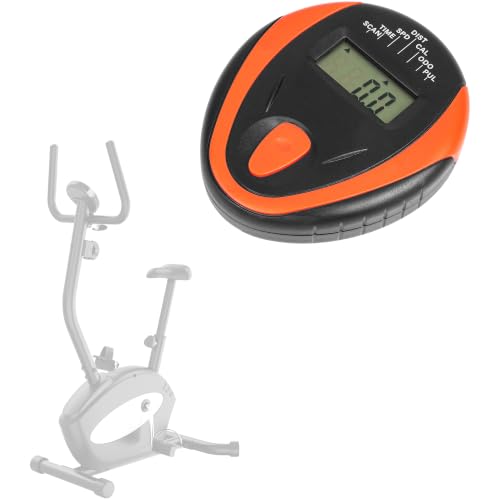
Stationary Bike Speedometer LCD Monitor Replacement

CYCPLUS Wireless GPS Bike Computer G1

Hilceriy Wired Bike Speedometer MPH KM/H
Meet The Standout Selections
A large 2.17-inch LCD makes current, average, and maximum speed easy to read at a glance. The wired speed sensor connects by cable, so there is no pairing step between display and wheel. For a first computer, that straightforward setup matters more than extra screens.
Auto start and stop pauses time and average speed during traffic lights or coffee stops. A pace arrow gives a simple visual cue for holding a steady effort. Battery life is listed at up to three years with alkaline cells, which suits riders who prefer install-and-forget hardware. Your early rides get cleaner averages because stopped time stays out of the calculation.
Standout Benefits
- Large display keeps speed readable without squinting
- Auto pause keeps trip averages honest at stops
- Three-year battery estimate reduces upkeep
- Handlebar or stem bracket fits common setups
- Clock, trip, and total distance cover daily tracking
Things To Consider
- Wired cable needs routing along fork and frame
- Single-button operation limits advanced data views
Unlike the wired CATEYE Velo 7, this SY unit sends speed data wirelessly to a compact 1.2-inch LCD. A waterproof housing suits rainy commutes, and vibration wakes the display from sleep. Two buttons handle the interface, keeping menu hunting short.
Backlight turns on automatically during evening hours when a button is pressed, between 18:00 and 06:00. Tyre size settings cover most common wheels for distance accuracy. In our view, the smaller screen is the main trade-off against the cleaner handlebar, especially in bright sunlight. A slight rattle from the wireless design is noted as normal.
Points In Its Favor
- Wireless link removes cable routing along the fork
- Night backlight helps evening rides stay readable
- Auto wake responds to movement quickly
- Waterproof build suits wet weather commuting
Worth Noting
- 1.2-inch display is smaller than the CATEYE screen
- Compatibility with some electric-assist bikes needs checking
- Sensor and magnet spacing must stay within range
Who It Suits Best
Commuters riding after dark who want a cable-free handlebar.
Where Another Pick Suits Better
CATEYE Velo 7 Wired Bike Computer suits riders who prefer a larger screen and wired reliability.
Chrome bezel and crystal acrylic give this dial a classic look that suits motorized bikes and vintage frames. A gear on the front axle drives the needle through a cable, so no battery or electronic settings are involved. That mechanical simplicity is the appeal.
Fitment covers 49cc to 80cc motorized bikes with 24 to 27.5-inch wheels, a narrower scope than the road and mountain options earlier in the list. Mounting hardware is included, and installation follows a handlebar, axle gear, cable sequence. For most backyards with a motorized build, the retro face reads easily at speed.
Strengths Worth Knowing
- Mechanical drive needs no battery or charging
- Large dial face keeps speed easy to read
- Chrome and acrylic styling suits classic builds
- Mounting hardware included in the package
Trade Offs
- Wheel and motor size must match the stated fitment
- Mechanical system offers no trip or time data
- Cable and gear placement needs careful alignment
Four pieces arrive together: two rear-view mirrors, an aluminum bell, and the old-school speedometer. That bundle angle makes sense for a city bike that needs visibility and a warning signal alongside speed. Mirrors adjust with 360-degree rotation for left or right placement.
The dial reads in kilometers per hour, with a conversion note that 30 kph equals about 18.6 mph. A cable links the handlebar reader to a gear on the front axle, again with no battery. One thing worth considering is the stated limit for quick-release wheels above 38 mph, which matters for faster descents.
What Works In Its Favor
- Mirrors and bell add safety gear in one package
- Large dial keeps kph speed readable
- Battery-free mechanical drive simplifies setup
- Aluminum bell gives a clear, crisp ring
Minor Gripes
- Metric-only dial needs mental conversion for mph
- Not intended for quick-release wheels above 38 mph
Made For
City riders who want mirrors, a bell, and speed in one install.
Consider Something Else When
Tiiyee Mechanical Analog Odometer 26-29 in suits riders who want a standalone aluminum dial without extra accessories.
Aluminum alloy housing and crystal acrylic set this mechanical unit apart from the plastic-heavy bundles. The large analog face shows speed and distance without a screen, and mileage cannot be reset after use. That permanent total suits a bike kept for years rather than a rental fleet.
Wheel coverage runs wider here, from 26 to 29 inches, including road, mountain, folding, and tricycle use. Installation needs a quick-release lever or generous front wheel clearance for the axle gear and cable. Compared with the Lomodo set, the focus stays on the dial itself, with no mirrors or bell included.
The Value In It
- Aluminum alloy body suits a classic build
- Wide 26 to 29-inch wheel coverage
- Mechanical recording starts without delay
- Large face keeps mph reading clear
- No battery or electronic settings needed
Small Caveats
- Mileage cannot be reset once riding starts
- Small bikes with raised handlebars may not fit
- Quick-release or clearance requirement affects install
This console belongs on an indoor bike, not on a road frame. It replaces a worn display and shows time, speed, distance, calories, and heart rate on an LCD. Pulse input works with bikes that have built-in sensors on the handlebars.
Connections use 3.5mm female jacks for speed and pulse functions, in AS or SM configurations. Speed and distance are estimates from pedal cadence, so they serve as reference values during training. Two AAA batteries power the unit and are not included. Checking connector type before ordering prevents a return.
Notable Gains
- Heart rate display supports pulse-based workouts
- Button controls switch metrics during a session
- Lightweight plastic housing fits indoor setups
Points To Note
- Adapter for some models is not included
- Speed readings are cadence estimates, not road distance
- Connector configuration must match the existing bike
- Batteries need separate purchase
Right Fit For
Indoor riders replacing a console on a compatible stationary bike.
Not Your Match When
CATEYE Velo 7 Wired Bike Computer suits outdoor riders who need wheel-based speed on a road or trail bike.
GPS positioning moves this unit beyond wheel sensors. Route tracking, ride time, distance, total mileage, clock, and current altitude appear on a 2.0-inch screen with tempered glass. At 70 grams, the computer stays light on the handlebar during long rides.
An FSTN backlit display stays readable in sunlight and at night. IPX6 waterproofing handles rain, and a 1200mAh battery is listed for more than 55 hours of use. Sleep mode starts after 10 minutes of inactivity and restores the last ride data on wake. Riders covering new routes gain altitude and route context that wheel-only units lack.
What Earns Its Place
- GPS tracks route and altitude without a wheel sensor
- Tempered glass resists scratches on the screen
- Large battery supports multi-day touring stretches
- IPX6 build handles rain without cable clutter
- Auto sleep preserves the last ride data
Areas To Watch
- GPS signal needs open sky for best accuracy
- Higher capability brings a more complex setup
Dual mph and km/h units cover riders who switch between systems or train with mixed groups. Average and maximum speed, ride time, distance, calories, and temperature join the standard trip data. A wired link keeps the sensor connection direct.
Backlight activates by pressing SET and MODE together, which helps in tunnels and on dark paths. Sleep starts after three minutes without a signal, and movement or a screen touch wakes the unit with prior values kept. IPX6 waterproofing covers rainstorm riding, with a note that heavy rain can affect the temperature reading while other functions continue.
Where It Helps
- Dual units switch between mph and km/h
- Extra metrics include calories and temperature
- Manual backlight suits tunnels and night paths
- Auto wake restores data after standby
Honest Caveats
- Wired routing takes more setup than wireless units
- Temperature reading can shift in heavy rain
- Sensor spacing must match the bike frame
What Matters Most Before Choosing Analog Bike Speedometer
Wheel Size And Drive Type
Wheel diameter decides fit for mechanical dials, with ranges from 24 inches on motorized builds to 29 inches on mountain bikes. Wired units need cable routing and sensor spacing, while wireless units need a clear link between wheel magnet and display. Your frame type should narrow the list before features enter the picture.
Display Readability And Units
Screen size, backlight behavior, and mph or kph markings affect daily use more than long feature lists. A 2.17-inch LCD reads differently from a 1.2-inch display or a large analog needle at speed. Metric-only dials work well where road signs use kilometers, and dual-unit displays suit cross-border routes.
Indoor Versus Outdoor Use
Outdoor computers measure wheel rotation or GPS position, while indoor consoles estimate speed from cadence. Heart rate input matters for stationary workouts and adds little on a road bike without pulse sensors. Matching the display to the bike keeps speed and distance meaningful.
Battery And Maintenance
Mechanical dials remove batteries entirely, while digital units range from multi-year alkaline cells to rechargeable GPS batteries. Auto sleep and auto pause features change how trip data accumulates during stops. Long battery intervals suit riders who prefer minimal upkeep between seasons.
Key Considerations Across These Picks
Common Shopping Slip Ups
Ordering a mechanical dial without checking wheel size and axle clearance creates the most common mismatch. A second slip is assuming every display works on electric-assist bikes, where sensor spacing and frame geometry can block installation.
What The Higher Tier Buys
GPS units add route and altitude tracking that wheel sensors cannot provide. Larger batteries, tempered glass, and sunlight-readable screens also explain the step up in capability for touring and training use.
Frequently Asked Questions
Do mechanical dials need batteries?
No, mechanical dials use a cable and front axle gear to drive the needle. That design removes charging and battery changes from routine upkeep.
Which option suits a first bike computer?
A wired LCD unit with auto pause suits beginners who want speed, distance, and time without pairing steps. Your first setup stays simpler with a large screen and one-button control.
Can a speedometer work on a stationary bike?
Only a console designed for indoor bikes fits that use, with cadence-based estimates and pulse input. Outdoor wheel computers do not transfer to a stationary frame.
What does GPS add over a wheel sensor?
GPS tracks route and altitude independent of wheel size settings. Wheel sensors remain simpler and work in tunnels where satellite signal drops.
How should wheel size be checked before ordering?
Measure the front wheel and compare it with the stated range for mechanical models. Sensor and magnet spacing also needs a check on wired and wireless digital units.
Closing Remarks
Beginners gain the most from the CATEYE Velo 7, while touring riders gain route and altitude from the CYCPLUS G1. Classic builds suit the Tiiyee or sthus mechanical dials, and indoor training needs the stationary replacement console. Match wheel size, units, and bike type first, and the choice becomes clear.