
A fast electric bike changes a long commute into a shorter, more direct ride, and it also opens up trail routes that would take much longer on a standard bicycle. Peak motor power, battery size, tire width, and suspension type each shape how the bike handles hills, loose surfaces, and daily stops. The seven options below cover different balances of speed, range, and off-road control, so the right choice depends on terrain and riding style.
A Closer Look At The Lineup

Rideplux Street Legal Electric Bike 4000W 35MPH

GREATWORK 3000W Peak Electric Bike 37MPH 100 Miles
Bopzin Electric Bike 3000W Peak Motor 80 Miles

ASKGO Electric Bike 2000W Peak 36 Mph 65 Miles

20 Inch Adult Electric Bike 1500W/3000W Peak Motor

FLIWIN Electric Bike 1500W/2500W Peak Motor Fat Tire
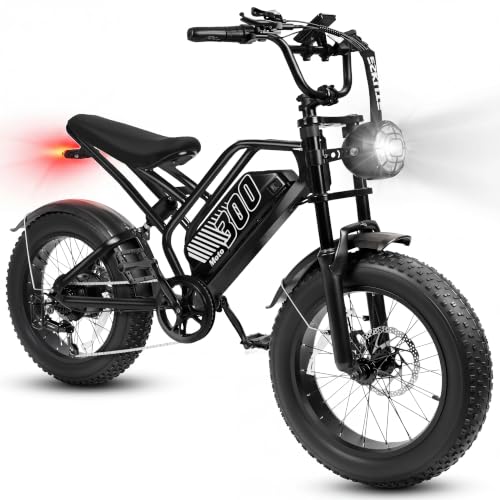
ESKUTE V300 Electric Bike 1500W Motor 30+MPH
Why These Options Stand Out
Long distance riding is the clear focus here, with a 48V 27Ah removable pack rated for more than 150 miles in pedal-assist mode. That capacity suits riders planning full-day trail loops rather than short neighborhood trips. Pedals and a full lighting package also help with local classification rules, and checking state rules before road use remains a practical step.
The 4000W peak motor and 220Nm torque figure explain the steep-climb claim, while 19-inch knobby tires and a double-crown front fork point toward loose dirt rather than pavement. Dual hydraulic disc brakes and turn signals add control on mixed routes. In our view, the trade-off is size and charging time, with a full charge taking about 8 hours.
The Helpful Details
- 27Ah removable battery supports extended pedal-assist range
- Full suspension with lockout fork smooths rough trails
- Hydraulic disc brakes deliver strong stopping control
- Headlight, taillight, and turn signals improve visibility
- Pedal-assist helps meet local e-bike classification needs
Things To Consider
- Eight-hour charging time suits overnight charging better than quick top-ups
- Knobby 19-inch tires feel less smooth on paved commutes
Steel framing and 20 by 4-inch fat tires give this model a sturdy, motorcycle-like stance for mixed terrain. A 2000W motor with 3000W peak output reaches 37 mph, and five assist levels let riders dial speed from 10 to 37 mph. That range of settings helps on a commute where traffic speed changes block by block.
The 48V 25Ah pack is rated for 100 miles in pedal-assist mode and 40 to 60 miles in pure electric mode, with a 7 to 8 hour charge. A 3.5-inch color LCD shows speed, mileage, assist level, and battery status at a glance. Compared with the Rideplux model, the fat-tire setup favors sand and snow, while the smaller wheels feel more compact in tight storage.
Strengths Worth Knowing
- 1200Wh removable battery with key lock for indoor charging
- Seven-speed gearing adapts to hills and flat roads
- Front and rear disc brakes support quick stops
- LED headlight and turn indicators aid night visibility
Worth Noting
- Fat tires add rolling resistance on long paved stretches
- Seven to eight hour charging needs overnight planning
- Retro styling may not suit riders wanting a slim frame
Who It Suits Best
Riders who split time between paved roads and soft trails benefit most from the fat tires and adjustable assist levels.
Where Another Pick Suits Better
The Bopzin Electric Bike 3000W Peak Motor 80 Miles suits riders who prioritize app control and hydraulic braking over retro styling.
Connected features set this moped-style bike apart, with a smartphone app for speed and mileage plus a remote key fob and siren alarm. That setup suits riders who park in shared spaces and want quick status checks before setting off. A 48V 25Ah removable battery is rated for 30 to 80 miles, and charging takes 4 to 6 hours.
Hydraulic disc brakes, a square headlight, taillight, reflective pedals, and an electric horn cover daily road use. Six-stage suspension and 20 by 4-inch puncture-resistant tires handle gravel, sand, and snow. The high-carbon steel frame supports 330 pounds and fits riders from 5 feet 2 inches to 6 feet 3 inches, with a storage box, phone holder, USB port, and detachable rear rack included.
Notable Upsides
- Smart app and remote fob simplify monitoring and parking security
- Hydraulic brakes provide consistent stopping in wet conditions
- Storage box and rear rack support errands and commuting
- Puncture-resistant fat tires improve traction on loose surfaces
- Four to six hour charging is quicker than several rivals
Trade Offs
- Range drops toward 30 miles in pure electric use
- Moped styling takes more space for storage and transport
NFC card starting is the standout convenience here, since a tap replaces a key for quick departures and sharing with household members. A 2000W peak motor reaches 36 mph, with 750W continuous power for steadier cruising. That split matters on long rides, where peak output helps on hills and continuous power carries the commute.
The 48V 20Ah removable battery is rated for up to 65 miles and charges in about 6 to 8 hours. Dual front fork suspension, rear shocks, and dual disc brakes cover rough ground and wet stops. Compared with the Bopzin model, this bike leans simpler, with an LCD display and lights rather than app-based settings.
A Favorable Mix
- NFC card start simplifies quick use and sharing
- Dual suspension smooths trails and uneven pavement
- Removable battery allows indoor charging away from the bike
- 20-inch fat tires grip sand, snow, and rocky paths
Minor Gripes
- 65-mile range depends heavily on riding habits and load
- 365-pound capacity limits heavier riders and cargo
Retro styling is the main draw, with a soft saddle, headlight, and motorcycle-type frame that stands out in a parking area. A 1500W motor with 3000W peak output is listed for speeds from 30 to 38 mph depending on setup and conditions. That spread makes checking the exact battery and motor configuration important before purchase.
Twenty-inch fat tires, dual disc brakes, front and rear suspension, and Shimano 7-speed shifting cover both road and mountain use. Three riding modes include pure electric, pedal-assist, and pedal only, with range figures varying by battery size. A storage box, LCD display, and front and rear lights add practical touches for commuting.
Useful Strengths
- Retro design with soft saddle for relaxed riding posture
- Seven-speed shifting improves control on varied grades
- Storage box and lights support daily commuting
- Puncture-resistant fat tires handle beaches and mountain roads
Room For Improvement
- Speed and range figures vary widely across battery options
- Dual cable-actuated brakes differ from hydraulic systems on other picks
- Retro frame may feel bulky for indoor storage
Made For
Riders who value looks alongside commuting practicality get the most from the retro frame and included storage.
Consider Something Else When
The FLIWIN Electric Bike 1500W/2500W Peak Motor Fat Tire suits riders who want a clearer single battery and speed configuration.
A 1500W motor with 2500W peak output is listed for up to 30 mph, with a 20 mph limiter that can be changed following the product page video guide. That limiter detail matters for riders who need to match local speed rules on certain routes. A 48V 16Ah removable battery is rated for up to 40 miles in pedal-assist mode and charges in about 5 hours.
Seven-speed gearing, dual disc brakes, front suspension, and an LCD display cover city and trail use in a straightforward package. An LED headlight and brake-activated taillight help with night visibility. Compared with the ASKGO model, charging time is shorter here, while top speed is lower.
A Few Strong Suits
- Five-hour charging suits overnight and workday top-ups
- Seven-speed system helps maintain cadence on hills
- Removable battery allows charging at home or office
- Dual disc brakes provide steady stopping on varied surfaces
Points To Note
- 40-mile pedal-assist range trails longer-range picks
- Speed limiter setting needs attention before road use
Five riding modes make this V300 model approachable for newer riders, covering pure electric, pedal-assist, manual pedal, boost, and cruise settings. A 1500W peak motor with 90Nm torque reaches 30+ mph and handles grades up to 35 degrees. That combination keeps steep driveways and trail climbs manageable without a steep learning curve.
The 48V 20.8Ah removable battery is rated for up to 85 miles in pedal-assist mode, with charging on the bike or off it. Twenty-inch fat tires, full suspension, a 7-speed drivetrain, hydraulic rear brake, and a full-color LCD display round out the package. NFC card starting adds keyless convenience for daily trips.
The Value In It
- Five modes let riders match power to road, trail, or commute
- 85-mile pedal-assist range supports long weekend rides
- Full-color LCD shows speed, battery, mode, and distance
- Hydraulic rear brake adds responsive stopping control
- Fat tires and full suspension improve traction and comfort
Softer Spots
- Top speed sits below the 37 mph picks in this lineup
- Full suspension adds weight for lifting and storage
What To Check Before Picking a 37 Mph Ebike
Motor Power and Torque
Peak power helps on short climbs, while continuous power and torque shape steady performance on longer hills. Riders with steep routes benefit from higher torque figures, and commuters on flat roads can prioritize battery size instead. Checking both numbers prevents a mismatch between motor and terrain.
Battery Size and Charging Time
Battery capacity, measured in amp-hours, affects range in pedal-assist mode, and charging time affects daily routine. A larger pack suits long trail days, while a smaller pack may charge faster for short commutes. You should match the pack to the longest regular ride, with room to spare for hills and headwinds.
Tires, Suspension, and Brakes
Fat tires spread weight across sand, snow, and gravel, while narrower knobby tires roll more efficiently on dirt paths. Full suspension absorbs bumps, and hydraulic disc brakes generally provide stronger stopping than cable-actuated systems. Your terrain mix should drive this choice more than styling.
Fit, Storage, and Local Rules
Frame size, weight capacity, and folded storage space affect daily use in apartments and garages. Local e-bike classification and speed rules also shape which mode settings make sense on public roads. Checking those rules before purchase avoids surprises after delivery.
Key Considerations Across These Picks
Common Shopping Slip Ups
Peak speed often gets more attention than battery size, yet range determines whether a ride finishes comfortably. Another slip is ignoring tire width for the surfaces ahead, which changes traction and rolling effort. Matching each spec to a specific route prevents most mismatches.
What The Higher Tier Buys
Larger batteries, hydraulic brakes, and stronger suspension systems add cost through capacity and control hardware. Those upgrades pay off on long rides, steep hills, and rough trails where comfort and stopping matter more. Short, flat commutes rarely need the full package.
Frequently Asked Questions
What does 37 mph mean for daily riding?
It is the listed top speed for the GREATWORK model under its highest assist level. Real speed varies with rider weight, terrain, and mode setting.
How far can these bikes travel on one charge?
Range figures range from 40 miles to more than 150 miles in pedal-assist mode across this lineup. Pure electric mode usually cuts that distance sharply.
Are fat tires better than knobby tires?
Fat tires suit sand, snow, and soft ground because of their wide contact patch. Knobby tires suit dirt trails and roll more easily on harder surfaces.
What should be checked before riding on public roads?
State and local e-bike rules govern speed, pedals, lighting, and age requirements. Checking those rules helps confirm the right mode and equipment for road use.
Which battery size suits a long commute?
A 25Ah or larger pack gives more margin for a long commute with hills. Removable packs also make indoor charging simpler in apartments.
Final Verdict
For long trail days, the Rideplux model offers the largest battery and strongest climbing figures. For mixed road and soft terrain, the GREATWORK pick balances speed, range, and fat-tire traction. Newer riders may prefer the ESKUTE V300 for its five modes and approachable setup. Match motor, battery, and tire choice to the routes ahead, and the decision becomes clearer.