
A flat on a trail or a slow leak before a commute turns a simple ride into a repair job. Matching tire width, valve type, and tube thickness prevents most fit problems. You can narrow the choice by checking the size printed on the tire sidewall first. The picks below cover standard butyl tubes, thicker heavy-duty options, and sealant-filled designs for different riding styles.
The Lineup, Simplified

Goodyear Self-Sealing Bicycle Tube 26 X 1.75-2.125
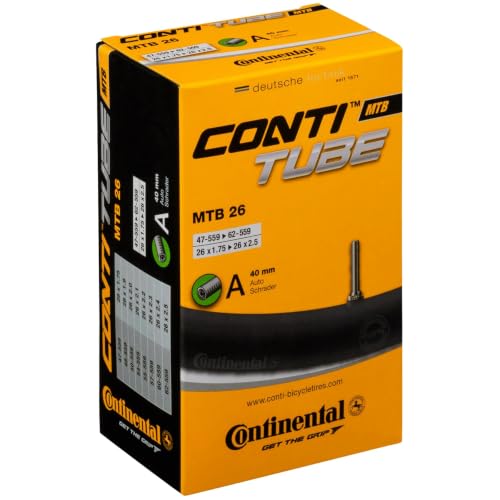
Continental Standard Bike Inner Tube 26×1.75-2.5 40mm Schrader

Slime Self-Healing 26/1.75-2.125 Bicycle Tube Presta

2-PCS 26 Self-Sealing Bike Tubes 26 x 1.75/2.125 AV32mm

YUNSCM 26 Heavy Duty Bike Tubes 26×1.50/1.75/1.90 32mm

BWSHLF 26 Inch Bike Tubes 4 Pack Schrader 35mm

Continental MTB 26×1.75-2.5 Inner Tube 42mm Presta

Hydencamm 4 Pack 26×1.95 Bike Tube 35mm AV Levers
More Details On Our Top Picks
You get a single butyl rubber tube sized for 26 x 1.75 to 2.125 tires, aimed at mountain bikes that need a straightforward replacement. Butyl rubber is the common tube material because it holds air longer than natural rubber, which matters for commuters checking pressure less often. The Schrader valve works with standard pumps, so inflation stays simple at home or at a service station.
Compared with the wider Continental tube later in this list, this Goodyear option covers a narrower width range and suits tires at the lower end of that span. That tighter sizing can help installation stay neat, with less excess material inside the casing. The honest read is that the appeal is simplicity, not extra puncture technology.
Bright Spots
- Butyl construction supports steady air retention between rides
- Schrader valve matches common floor pumps and gauges
- Single tube keeps a spare easy to store in a saddle bag
- Fit range covers many 26-inch mountain bike tires
Things To Consider
- Width range stops at 2.125, so wider tires need a different tube
- Single pack means no spare remains after installation
This Continental tube stretches across 26 x 1.75 to 2.5 tires, a wider span than the Goodyear tube above. Seamless, mold-cured construction means the tube is formed as one continuous piece, which helps it sit evenly inside the tire. That even roundness can reduce lumps during the first miles after a change.
You can carry it as a spare for trail days because the 40mm Schrader valve fills with a standard floor pump. A removable valve core adds service flexibility, since a worn core can be swapped instead of replacing the whole tube. The trade-off is a single-tube pack, so stocking up requires a separate purchase.
Notable Upsides
- Wide 1.75 to 2.5 fit covers many mountain bike setups
- Seamless mold-cured shape supports smooth rolling
- 40mm Schrader valve suits standard pumps
- Removable core allows valve maintenance
- ETRTO range 47-559 to 62-559 helps precise matching
Worth Noting
- Only one tube included for a single repair or spare
- Schrader-only design does not suit Presta rims
Who It Suits Best
Trail riders with Schrader rims who want one versatile tube for a 26-inch mountain bike.
Where Another Pick Suits Better
Slime Self-Healing 26/1.75-2.125 Bicycle Tube Presta suits riders who prioritize sealant protection over a wider fit range.
Sealant comes pre-installed in this Slime tube, aimed at tread-area punctures from small objects. The sealant is a liquid inside the tube that moves toward a hole and helps close it, which can keep a ride going without a roadside patch. That approach suits riders who dislike stopping on busy routes or gravel paths.
You install it like a regular tube, then let the sealant do its work over time. The valve here is Presta, a narrower threaded valve common on higher-pressure rims, and that detail decides compatibility before anything else. Unlike the Schrader Continental tube, this choice asks for a Presta-compatible pump head.
What Works In Its Favor
- Pre-filled sealant targets small tread punctures
- Repeated sealing is designed to last up to two years
- 48mm Presta valve fits many mountain bike rims
- Installs with the same steps as a standard tube
Trade Offs
- Presta valve limits pump and rim compatibility
- Sealant focuses on tread area, not sidewall damage
- Fit range ends at 2.125 width
You receive two self-sealing tubes for 26 x 1.75 to 2.125 tires, with a 32mm Schrader valve on each. The thicker wall and internal sealing fluid are meant for small holes and slow leaks, a different angle from the plain butyl Goodyear tube. Having a second tube in the box makes a spare part of the purchase rather than an afterthought.
Cold-weather use down to -15 degrees Celsius is part of the stated design, which may matter for winter commuting. Installation guidance stresses adding a little air before fitting, a step that helps the tube hold shape and reduces bunching inside the tire. That small prep step can prevent pinch flats caused by folded rubber.
Where It Helps
- Two tubes provide one installed and one spare
- Sealing fluid targets small holes and slow leaks
- Thicker design adds puncture resistance
- Schrader valve works with standard pumps
Minor Gripes
- Fluid movement requires care near the valve during inflation
- Fit range is narrower than the Continental 2.5 option
Made For
Commuters who want a spare tube included and a Schrader valve for easy inflation.
Consider Something Else When
Continental MTB 26×1.75-2.5 Inner Tube 42mm Presta suits Presta rims and wider tires up to 2.5.
You get two heavy-duty tubes for narrower 26 x 1.50 to 1.90 tires, a size band the wider Continental tube does not cover at the low end. Butyl rubber blended with EPDM rubber forms a thicker wall, and thickness is the main defense here against friction and wear. That extra material can suit cruisers, city bikes, and electric bikes carrying heavier loads.
Air retention is a stated strength, with pressure maintenance described over a period of months after inflation. In practical terms, better retention means fewer top-ups before weekend rides. The catch is weight and bulk, since thicker rubber takes more space in a bag and adds mass to the wheel.
What Helps Most
- Thicker wall resists friction and wear
- Two-pack gives a spare for the garage
- Butyl and EPDM blend supports air retention
- Fits road, gravel, mountain, and cruiser tires in range
- 32mm Schrader valve matches standard pumps
Room For Improvement
- Maximum width 1.90 excludes wider mountain bike tires
- Thicker tube takes more storage space
- Added mass can affect ride feel on lighter bikes
You have four tubes in one carton, sized for 26 x 1.75 to 2.3 tires with a 35mm Schrader valve. The rubber blend uses 60% high butyl content, and butyl content relates to how slowly air escapes through the wall. Sidewall thickness at 1.1 to 1.2mm runs thicker than the 0.8 to 0.95mm range cited for conventional tubes.
That thickness difference is a concrete reason this pack suits households with several bikes or riders who change tubes often. Vulcanized construction, meaning rubber cured with heat and sulfur for strength, plus round curing helps each tube keep an even shape. Storage is the practical side, since four tubes need shelf space in a garage or utility closet.
Points In Its Favor
- Four tubes support multiple bikes or long-term spares
- Thicker 1.1 to 1.2mm sidewalls add puncture resistance
- High butyl blend supports air retention
- 35mm Schrader valve fits standard pumps
Points To Note
- Four-pack requires dedicated storage space
- Width range stops at 2.3 for wider tires
Five Continental tubes share the same seamless, mold-cured build as the single Schrader version, but this pack uses a 42mm Presta valve. Presta valves are threaded and narrower, and the removable core can accept an extender or a replacement core. That service detail matters on deeper rims where valve length becomes a fit question.
You can keep spares in a workshop or saddle bag because the five-pack covers multiple seasons of trail riding. The fit range matches the Schrader Continental tube at 26 x 1.75 to 2.5, so the choice between them comes down to valve type and pack size. Presta pumps or adapters are needed for inflation, which is a simple check before ordering.
Good Reasons To Consider
- Five tubes provide long-term spare coverage
- 42mm Presta valve suits many trail rims
- Removable core allows extenders or replacement
- Seamless mold-cured shape supports even rolling
Softer Spots
- Presta valve requires compatible pump head
- Five-pack needs more storage than a single tube
The Right Fit
Cross-country riders with Presta rims who prefer buying spares in bulk.
A Better Fit Elsewhere
Continental Standard Bike Inner Tube 26×1.75-2.5 40mm Schrader suits Schrader rims with the same tire range.
You receive four butyl tubes for 26 x 1.75 to 2.125 tires, plus two tire levers in the carton. Tire levers are the plastic tools that lift the tire bead over the rim edge during a change, and including them removes a common missing-tool problem. The 35mm Schrader valve keeps inflation compatible with standard pumps.
The wall is described as 16% thicker than standard market offerings, a modest increase that can help with vibration on uneven surfaces. Compared with the BWSHLF four-pack, this option trades a narrower width range for bundled tools. That trade suits a first replacement job where levers may not already be in a toolbox.
Standout Benefits
- Four tubes plus two levers cover a full change
- Butyl rubber supports sealing and air retention
- 16% thicker wall helps absorb road bumps
- 35mm Schrader valve matches standard pumps
Small Caveats
- Width range ends at 2.125 for wider tires
- Four tubes need storage space at home
What Matters Most Before Choosing a 26 Inch Bike Tube
Tire Width and ETRTO Sizing
The number after the tire width, such as 1.75 or 2.5, sets the tube range. ETRTO sizing, a standardized bead diameter and width code, gives a precise cross-check against the sidewall print. You should match both numbers before ordering, since a tube outside its range can fold or stretch inside the casing.
Valve Type and Length
Schrader valves are wider and work with most floor pumps, while Presta valves are narrower and threaded. Valve length matters on deep rims, where a short stem can sit below the rim edge. Confirm the rim drilling and pump head type first, because changing valve type later adds adapters and hassle.
Rubber Thickness and Sealant
Thicker butyl walls resist wear and hold air longer, while sealant inside a tube targets small punctures. Sealant suits riders who want fewer roadside stops, and thickness suits rough surfaces or heavier loads. Each approach adds bulk, so storage and ride feel enter the decision.
Pack Count and Storage
Single tubes work for one repair, while multi-packs support households with several bikes. Larger packs need shelf space and dry storage away from sharp edges. A spare in a saddle bag also changes the math for riders who travel far from home.
Key Considerations Across These Picks
Common Shopping Slip Ups
Ordering by wheel size alone causes most mismatches, since width and valve type still vary. Checking the sidewall print takes a minute and prevents a return. Another slip is ignoring rim depth when valve length matters for deep-section wheels.
What The Higher Tier Buys
Higher-tier packs often add sealant, thicker walls, or more tubes per carton. Those additions address punctures, wear, and spare coverage rather than basic fit. The upgrade pays off for frequent riders, while occasional riders can stay with a standard tube.
Frequently Asked Questions
How do I know the correct tube size for a 26-inch wheel?
Read the tire sidewall for the width range, such as 26 x 1.95, and match that range to the tube listing. You should also confirm valve type, since Schrader and Presta rims are not interchangeable.
What is the difference between Schrader and Presta valves?
Schrader valves are wider and fill with standard pumps, while Presta valves are narrower and threaded. The rim hole diameter decides which type fits, so check the rim before ordering.
Do sealant tubes replace a patch kit?
Sealant tubes are designed to close small tread punctures automatically during a ride. Larger cuts, sidewall damage, and bead problems still need a proper repair or replacement.
Why do some tubes feel heavier than others?
Thicker rubber walls add material and weight, which can change ride feel on lighter bikes. That trade-off often brings better wear resistance for rough roads or heavier loads.
How many spare tubes should a household keep?
One spare per active bike covers most households, with a second spare for riders who travel long distances. Multi-packs make sense where several bikes share the same tire size.
Final Thoughts
Match tire width and valve type first, then decide on thickness, sealant, and pack size. You will get the most value from a tube that fits the rim and tire without extra bulk. For many riders, a standard butyl tube with a spare in the bag covers daily use well.