A long tail and smooth shell help in a fast tuck, while vents and fit decide comfort on hot climbs. Measure your head circumference before ordering, since sizing differs across brands. You will notice the difference most on sustained efforts above 25 km/h, where drag and airflow shape the ride.
Your Options, Compared

Giro Aerohead MIPS Helmet Large Matte White/Silver

Giro Aerohead MIPS Helmet Small Matte White/Silver

Giro Aerohead MIPS Helmet Medium Black/Titanium

Giro Aerohead MIPS Helmet Large Black/Titanium

Kask Utopia Y Helmet White Matt Medium

MET Manta MIPS Aero Road Bike Helmet Small

Lumos Road Bike Helmet MIPS Magnetic Light
A Breakdown Of The Leading Choices
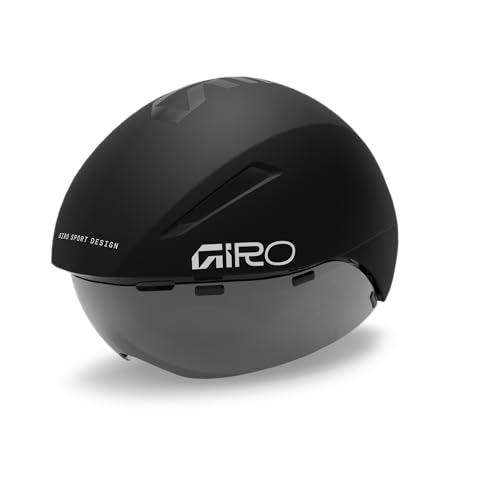
Time trial and triathlon riders gain a long, smooth shape built for a tucked position. MIPS, a low-friction layer inside the helmet, is designed to allow slight movement in certain impacts. In our view, the Large size suits heads measuring 59 to 63 cm.
You get a vented ZEISS eye shield that docks magnetically, so the shield can be added or removed without straps. Four Wind Tunnel vents with internal channels move air across the head, and over-brow vents help on hot days. EPS, expanded polystyrene foam, forms the liner inside the polycarbonate shell.
Useful Strengths
- Vented ZEISS shield with magnetic anchor for quick changes
- Super Fit sizing in three ranges for closer matching
- Over-brow vents add airflow during climbs
- Roc Loc 5 Air dial tunes vertical position
Things To Consider
- Large size only fits 59 to 63 cm heads
- Aero shape suits tucked riding more than upright commuting
Same Aerohead shape as the Large version, scaled for smaller heads. The Small range covers 51 to 55 cm, which matters for a secure fit and stable airflow for you. Depending on head shape, the Roc Loc 5 Air dial may need a small vertical adjustment.
Measure your circumference against 51 to 55 cm for Small before ordering this size. The vented ZEISS shield and magnetic anchor remain, along with MIPS and over-brow ventilation. That combination keeps the focus on speed without giving up cooling channels.
Useful Touches
- Small sizing for 51 to 55 cm heads
- Magnetic ZEISS shield anchor for easy removal
- Four Wind Tunnel vents with internal channeling
Worth Noting
- Small size will not fit medium or large heads
- Shield storage needs a safe place off the helmet
Who It Suits Best
Riders with 51 to 55 cm head measurements seeking a time trial shape.
Where Another Pick Suits Better
Giro Aerohead MIPS Helmet Medium Black/Titanium suits riders needing the 55 to 59 cm range.
Black and titanium coloring sets this Medium version apart from the white Large and Small options. The shell, Super Fit engineering, and MIPS layer carry over, so the decision comes down to size and finish. Assuming a standard tucked position, the tail shape aligns with the back.
You can match this Medium to 55 to 59 cm, the middle Super Fit range. Vented shield design, magnetic anchor, and four Wind Tunnel vents support hot race days. The polycarbonate shell with EPS liner keeps construction consistent across sizes.
Standout Benefits
- Medium range covers many adult head sizes
- Vented shield helps reduce fogging in heat
- Super Fit engineering shapes each size separately
- MIPS equipped for rotational impact management
- Over-brow vents add cooling above the eyes
Trade Offs
- Dark finish may feel hotter in direct sun
- Medium will not suit Small or Large measurements
Large sizing in black and titanium gives larger-headed riders the same Aerohead silhouette. Super Fit engineering and a polycarbonate shell form the core build. For riders logging long distances, the vented design matters more than color alone, and you get that same venting in this size.
Large fits 59 to 63 cm, so check your measurement before ordering this version. The in-mold shell with EPS liner and Roc Loc 5 Air system match the other Aerohead sizes. That consistency makes size the main decision point here.
Everyday Advantages
- Large range for 59 to 63 cm heads
- Super Fit engineering across three sizes
- Polycarbonate shell with EPS liner
Minor Gripes
- Large size excludes smaller measurements
- Tail length needs clearance in a tucked position
Made For
Riders with 59 to 63 cm measurements who prefer a dark finish.
Consider Something Else When
Giro Aerohead MIPS Helmet Large Matte White/Silver suits riders who prefer a lighter shell color.
Kask takes a road-focused route to aero shape, without a separate shield. WG11, a rotational impact standard, is the benchmark named for this model. Reflective inserts add visibility in low light, a practical plus for early starts.
You can adjust the Octo rubberized micro dial mid-ride, with gel pads at contact points. Enhanced inner padding fibers speed evaporation of perspiration, supporting temperature regulation on long efforts. Air outflow stays aligned with the helmet across head positions.
Positive Points
- Octo dial allows mid-ride fit changes
- Reflective inserts aid low-light visibility
- Gel pads at contact points for comfort
- Padding fibers support evaporation and cooling
Room For Improvement
- No integrated shield like the Giro Aerohead options
- Medium sizing needs a circumference check
MET Manta MIPS brings a tube-shaped tail, rear deflector, and exhaust ports to the aero brief. MIPS-C2, a rotational management system, sits between padding and EPS. The white holographic glossy finish, inspired by a rainbow jersey, gives a distinct look.
You can dock sunglasses in the port with rubberized grips while climbing or resting. Fifteen vents with internal channeling and a NACA inlet move air through the shell. A magnetic Fidlock strap buckle speeds fastening, useful in triathlon transitions.
Strong Points
- 15 vents with internal air channeling
- Magnetic Fidlock strap for quick fastening
- Sunglasses port with rubberized grips
- 360-degree belt with vertical and occipital adjustment
- Soft storage bag included
Points To Note
- Listed size range is 56 to 58 cm for Medium specs
- Glossy finish shows marks more readily than matte
Lumos shifts the focus from pure speed to daily road and commuter use. At approx. 350 g, the shell aims to reduce pressure on head and neck. Fourteen ventilation channels support airflow on sunny rides.
You can add Firefly mini lights magnetically for low-light rides. An OptiGrip eyewear dock keeps sunglasses secure when not in use. MIPS is integrated for rotational motion management in certain impacts.
Bright Spots
- Magnetic light compatibility for evening rides
- 14 ventilation channels for airflow
- Dedicated sunglasses storage slot
- Approx. 350 g lightweight build
Softer Spots
- Commuter shape differs from time trial shells
- Light accessories attach separately via magnets
Right Fit For
Urban commuters and casual road riders riding in low light.
Look Elsewhere When
MET Manta MIPS Aero Road Bike Helmet Small suits riders prioritizing a race aero tail.
A two-piece shell pairs a tough outer layer with a polycarbonate lower wrap fused to the liner. Integrated MIPS combines with the fit system to reduce rotational forces. Wind Tunnel ventilation uses shell vents plus internal exhaust channels.
You can tune vertical positioning and contact points with the Roc Loc 5 Air dial. Super Fit engineering uses molds in up to four adult sizes based on human scale data. That range helps match head shape more closely than a single shell size.
A Strong Showing
- Two-piece shell for durability without excess weight
- Micro-adjustable dial for vertical positioning
- Wind Tunnel vents with internal exhaust channels
- Integrated MIPS slip plane with fit system
Small Caveats
- Size selection needs a circumference measurement
- Aero tail suits tucked positions best
What Matters Most Before Choosing Aero Helmets
Fit Ranges And Head Shape
Check your circumference and compare it to your chosen size range before ordering. Giro lists S at 51 to 55 cm, M at 55 to 59 cm, and L at 59 to 63 cm. MET lists 56 to 58 cm for its Medium specs, so ranges overlap differently across brands.
Ventilation For Hot Efforts
You spend more time climbing than sprinting, so vent count and channel design affect comfort on long efforts. Giro uses four Wind Tunnel vents, MET uses 15 vents, and Lumos uses 14 channels. Internal channeling matters because it guides air across the head rather than only at the shell surface.
Shield, Light, And Strap Systems
Match the shield or light system to your riding time and eyewear habits. Giro docks a ZEISS shield magnetically, Kask relies on reflective inserts, and Lumos accepts magnetic mini lights. A Fidlock magnetic buckle on MET speeds fastening during transitions.
Rotational Protection Systems
MIPS and MIPS-C2 are low-friction layers designed to allow slight movement in certain impacts. WG11 is a rotational impact standard named for Kask. Each system sits inside the shell, so fit and positioning remain central to the decision.
Key Considerations Across These Picks
Common Shopping Slip Ups
Ordering by small, medium, or large labels alone causes many returns. Measure your head first and compare the centimeter range for each size. Color and finish should come after fit and ventilation.
What The Higher Tier Buys
Higher tier shells add dial systems, reflective details, and refined channeling. Those additions help during long rides and low light. Paying more makes sense when fit tuning and airflow shape daily use.
Frequently Asked Questions
How should head size be measured for these helmets?
Measure circumference above the ears and eyebrows with a soft tape. Match that number to the centimeter range listed for each size.
What does MIPS do inside a helmet?
MIPS is a low-friction layer between padding and EPS. It is designed to allow slight movement in certain impacts.
Which option includes a shield?
The Giro Aerohead sizes include a vented ZEISS shield with magnetic anchor. Kask and MET use different approaches for eye protection and storage.
Can sunglasses be stored on these helmets?
You can store sunglasses in the MET port or Lumos eyewear dock. Giro uses a shield instead of a sunglasses port.
Which helmet suits low light commuting?
Lumos accepts magnetic mini lights for evening rides. Kask adds reflective inserts for visibility in poor light.
Wrap Up
Pick the size that matches your measurement first, then match features to riding style. Giro suits shield users, Kask suits dial-focused road riders, and Lumos suits commuters. MET suits riders wanting many vents and a magnetic strap.