
A muddy trailhead, a cafe stop, or a short commute can all expose a weak pedal setup. SPD pedals use a two-bolt cleat system, meaning the shoe locks to the pedal with a small cleat instead of relying on straps or friction alone. That connection helps with power transfer and keeps feet planted on rough ground. For newer riders, the main decision comes down to shoe type, terrain, and whether a flat side for regular shoes matters more than a dedicated clip-in surface.
The picks below cover mountain, road, hybrid, and trail use, with clear trade-offs on weight, platform size, and entry ease. Matching the pedal to the shoe system matters more than chasing extra features.
A Snapshot Of The Selections
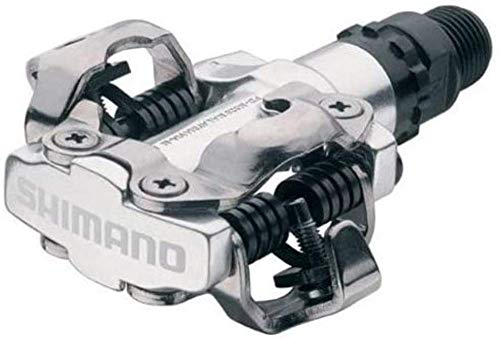
Shimano SPD Pedal E-PDM520L (silver)

SHIMANO PD-RS500 Road Bike Pedal SM-SH11
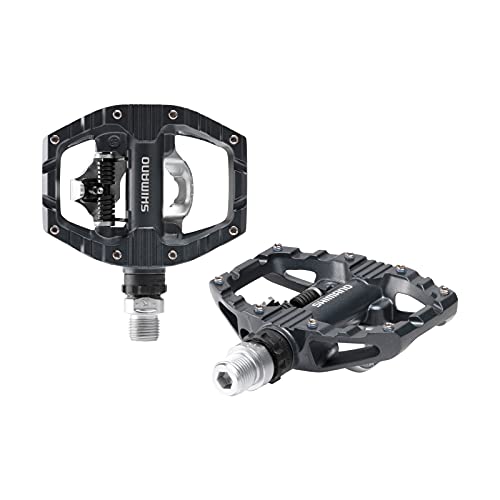
SHIMANO PD-EH500 SPD Flat Dual Sided Pedal

Shimano PDM520 Clipless SPD Pedals Black

SHIMANO PD-ME700 Dual Sided Trail Pedal
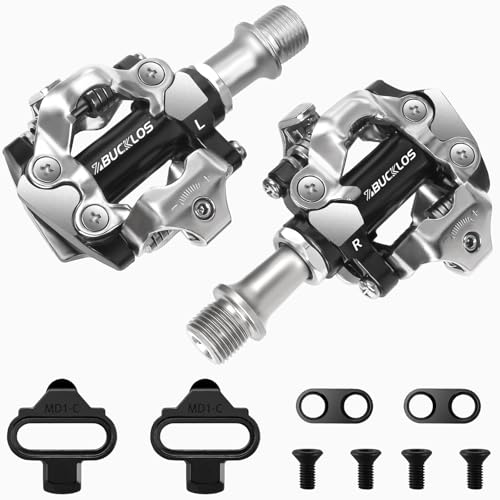
BUCKLOS Bike Clip Pedals MTB Dual Sided 9/16″

ROCKBROS SPD MTB Pedals Dual Function
The Strengths Of Each Pick
The Shimano SPD Pedal E-PDM520L (silver) suits mountain riders who want a compact, no-frills clip-in pedal. At 380g per pair, the weight stays modest for trail use, and the open binding design helps shed mud. For most trail conditions, that open shape keeps entry and release more predictable than a closed cage.
A chromoly spindle and sealed bearing cartridge axle support low-maintenance ownership. You’ll get reliable clipping in wet or dirty conditions without a large platform to collect debris. The trade-off is a smaller contact area than wider trail pedals, so unclipped control feels more limited.
Practical Pluses
- Compact body keeps mud clearance high on trail rides
- 380g pair weight suits cross-country and gravel use
- Sealed bearings reduce service frequency in dirty conditions
- SPD compatibility works with common two-bolt mountain shoes
Things To Consider
- Small platform offers less support when riding unclipped
- Mountain-only focus limits road shoe compatibility
The SHIMANO PD-RS500 Road Bike Pedal SM-SH11 targets recreational road riders moving from flat pedals to a three-bolt SPD-SL system. SPD-SL uses a wider cleat than mountain SPD, which spreads pressure under the foot. Lighter spring tension and a larger entry target make clipping in less intimidating on early rides.
An extra-wide platform improves power transfer compared with narrow road pedals. Wide, low-profile cleats also make walking at cafe stops easier than with taller road cleats. Unlike the mountain-focused Shimano SPD Pedal E-PDM520L (silver), this design prioritizes road shoe fit and walking comfort.
Positive Takeaways
- Extra-wide platform supports efficient pedaling effort
- Lighter tension eases entry and release for newer riders
- Low-profile cleats simplify walking off the bike
- SM-SH11 cleats included in the package
Worth Noting
- Three-bolt road cleats do not suit mountain shoes
- Recreational focus means less race-oriented refinement
The SHIMANO PD-EH500 SPD Flat Dual Sided Pedal solves a common commute problem: switching between cycling shoes and sneakers. One side clips into SPD two-hole shoes, while the other side provides a grippy flat surface. That split design suits urban riders and indoor cycling setups where footwear changes through the day.
Adjustable cleat tension lets riders tune release feel, and included SPD cleats reduce setup friction. At 383g per pair, weight stays close to the Shimano SPD Pedal E-PDM520L (silver) at 380g, yet the flat side adds everyday flexibility. The honest read is that neither side matches a dedicated pedal for its single job.
What Earns Its Place
- Flat side supports sneakers for short urban trips
- Clip side suits SPD two-hole cycling shoes
- Adjustable tension tunes entry and release feel
- Included cleats simplify first installation
- Lightweight build suits indoor and road touring use
Trade Offs
- Hybrid layout compromises dedicated trail performance
- Flat side grip depends on shoe sole pattern
The Shimano PDM520 Clipless SPD Pedals Black deliver a familiar mountain SPD setup in black. A compact body with open binding helps clear mud and dirt, which matters on wet singletrack and gravel shortcuts. Adjustable tension and release let riders dial in a secure feel without moving to a larger platform.
Chrome alloy spindle construction and sealed bearings support low-maintenance ownership. In a busy trail season, that combination keeps service intervals longer than exposed bearing designs. Compared with the Shimano SPD Pedal E-PDM520L (silver), the core concept stays similar, with color and listing details creating the main distinction.
The Helpful Details
- Open binding sheds mud better than closed designs
- Adjustable tension suits different riding styles
- Sealed bearings cut down on routine maintenance
Minor Gripes
- Narrow body limits unclipped foot support
- Check cleat compatibility before ordering shoes
Who It Suits Best
Mountain riders who already own SPD shoes and want a straightforward trail pedal.
Where Another Pick Suits Better
SHIMANO PD-ME700 Dual Sided Trail Pedal suits riders who want wider unclipped support.
The SHIMANO PD-ME700 Dual Sided Trail Pedal adds a wider body around dual-sided retention claws. Dual-sided entry means either side can accept the cleat, which helps during stop-sign starts and cyclocross remounts. A chrome-moly spindle and sealed bearings support demanding trail use.
The wider body increases control when unclipped and protects the binding mechanism from impacts. Recommended uses span commuting, cross-country, enduro, gravel, and trail riding, so versatility drives the appeal. Compared with the narrower Shimano PDM520 Clipless SPD Pedals Black, the ME700 trades compactness for platform support.
Positive Points
- Dual-sided entry speeds clipping in and out
- Wide body improves unclipped pedaling control
- Body shape shields binding from trail impacts
- Chrome-moly spindle suits rough terrain
- Adjustable retention claws tune release tension
Room For Improvement
- Wider body adds bulk on weight-sensitive builds
- Trail focus may exceed needs for pure road use
The BUCKLOS Bike Clip Pedals MTB Dual Sided 9/16″ bring SPD compatibility to a broad range of bikes. CNC aluminum alloy construction and sealed bearings aim for smooth rotation in mixed weather. Dual-sided entry works across mountain, road, spin, hybrid, gravel, and folding bikes.
Adjustable entry and release tension use a side screw, so riders can soften clipping for learning or firm it up for hard efforts. Clear L and R markings plus a standard 9/16 inch thread simplify installation on most cranks. The package includes cleats and a 6mm wrench, which covers the first setup.
Bright Spots
- Aluminum alloy body with sealed bearings
- Side screw adjusts clip tension to preference
- 9/16 inch thread fits most bike cranks
- Cleats and 6mm wrench included
Small Caveats
- Heavier 0.511 kg weight affects weight-sensitive builds
- Confirm SPD cleat fit with existing shoes
The ROCKBROS SPD MTB Pedals Dual Function combine a clipless side with a flat pedal side. One side works with clipless shoes, while the other side functions as a normal pedal for regular footwear. A widened platform increases contact area, and eight non-slip screws on the flat side add grip.
Sealed bearings help protect against dust and water during regular use. Nylon construction keeps weight down, yet severe impacts remain a concern for this material. Compared with the SHIMANO PD-EH500 SPD Flat Dual Sided Pedal, this option leans more toward mountain and road flexibility with a wider flat platform.
Where It Delivers
- Dual function supports clipless and flat shoe use
- Widened platform increases foot contact area
- Eight non-slip screws improve flat-side grip
- Sealed bearings guard against dust and water
Points To Note
- Nylon body may struggle with severe impacts
- Tension screw setup needs careful adjustment
- Loose screws may need attention over time
Made For
Riders who switch between clipless shoes and sneakers on the same bike.
Consider Something Else When
SHIMANO PD-EH500 SPD Flat Dual Sided Pedal suits riders who prefer Shimano tension tuning.
What Matters Most Before Choosing Spd Pedals
Shoe System First
SPD mountain shoes use two bolts, while SPD-SL road shoes use three bolts. Confirming shoe compatibility before ordering prevents returns and mismatched cleats. Riders with existing shoes should match the pedal system to that cleat pattern.
Platform Size and Terrain
Compact pedals shed mud and save weight on cross-country routes. Wider trail bodies add unclipped support on technical descents and remounts. Road pedals prioritize a wide, stable platform for seated power transfer.
Entry Ease and Tension
Adjustable tension changes how secure the shoe feels and how quickly release happens. Lighter settings help newer riders learn clipping skills with less anxiety. Dual-sided entry reduces fumbling at traffic stops, which matters in daily commuting.
Hybrid Needs
Dual-sided clip and flat pedals suit mixed wardrobes, but dedicated pedals usually perform better at one task. Commuters who change shoes midday gain flexibility from hybrids. Trail riders who always wear clipless shoes gain more from a dedicated design.
Key Considerations Across These Picks
Common Shopping Slip Ups
Ordering road pedals for mountain shoes remains a frequent mismatch. Checking bolt count and cleat type before purchase avoids that problem. Skipping tension adjustment also makes clipping feel harder than necessary.
When Paying More Pays Off
Higher-tier pedals often add sealed bearings, stronger spindles, and wider platforms. Those features matter on rough trails and frequent commutes. Casual short rides gain less from the upgrade, so terrain and frequency should drive the decision.
Frequently Asked Questions
Are SPD pedals suitable for beginners?
Yes, many SPD pedals suit beginners because entry and release tension can be adjusted. Starting with a lighter setting helps build confidence on quiet routes.
What is the difference between SPD and SPD-SL?
SPD uses a compact two-bolt cleat for mountain and hybrid shoes. SPD-SL uses a wider three-bolt cleat designed for road cycling shoes.
Do dual-sided pedals work with regular sneakers?
Dual-sided models with a flat side work with sneakers and other flat-soled shoes. The clip side still requires compatible cycling shoes for locked-in pedaling.
How does adjustable tension affect riding?
Lower tension makes clipping in and out easier during learning. Higher tension creates a firmer connection for hard efforts and rough terrain.
Why choose a wider pedal body?
A wider body provides more support when riding unclipped. It also protects the binding mechanism from impacts on trail sections.
Final Thoughts
Mountain riders gain the most from compact SPD designs or wider trail bodies, while road riders benefit from SPD-SL platforms built for three-bolt shoes. Hybrid pedals suit mixed footwear, and adjustable tension helps newer riders settle in. Matching shoe type, terrain, and entry preference leads to a pedal that feels natural from the first ride.