
A pedal power meter measures wattage at the crank, so training data follows you between bikes without a frame-mounted sensor. Road riders who split time across a training bike and a weekend bike benefit from that portability. Dual-sided models report left and right output separately, while single-sided models estimate total power from one leg. Cadence, balance, and pedaling smoothness data can help shape intervals and position checks.
A Fast Comparison Of The Options

Favero Assioma Duo Power Meter Pedal

Favero Assioma Uno Power Meter Pedal

Magene P715 S Power Meter Pedals
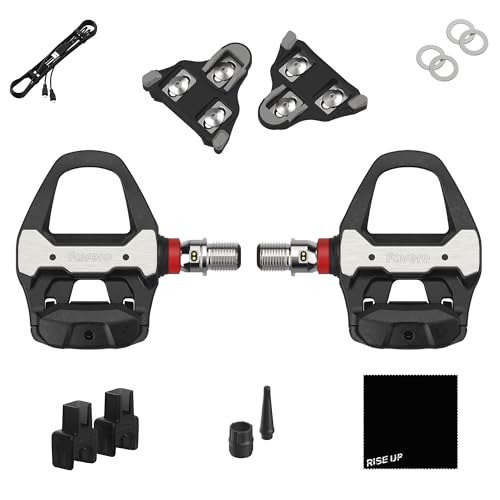
Favero Assioma PRO RS-2 Dual-Sensing Pedal

Favero Assioma PRO MX-1 Single Sided Pedal

Garmin Rally RS210 Dual-Sensing Power Meter

Favero Assioma PRO MX-2 Dual-Sensing MTB Pedal
The Picks, Examined More Closely
Dual-sided measurement gives each leg its own wattage figure, plus a left/right balance readout for position and strength checks. That detail suits riders who train with structured intervals and want to spot a persistent imbalance early. You get IAV calculation, which uses instantaneous angular velocity from the gyroscope to refine power during uneven pedaling.
Bluetooth and ANT+ cover phones, watches, and most bike computers, so pairing stays straightforward across devices. A rechargeable battery rated to 50 hours suits regular training blocks, with charging needed between longer camps. In our view, the balance data earns its place for road riders focused on technique.
A Favorable Mix
- Dual-sided power shows balance, not just total watts
- IAV system targets plus or minus 1% accuracy
- Built-in cadence sensor removes a separate sensor
- Bluetooth and ANT+ suit computers and phones
- 50-hour rechargeable battery fits frequent training
Things To Consider
- 50-hour battery needs more frequent charging than longer-life options
- Dual-sided cost and weight exceed single-sided choices
Left-side sensing keeps the setup simpler and lighter than a dual-sided pair, while still supplying core wattage and cadence. Your training zones come from estimated total power, which works well for pacing climbs and intervals. Compared with the Duo model, balance data drops out, and that trade-off keeps the focus on total output.
IAV Power Phase and Rider Position add technique metrics beyond basic watts. Those details help riders link saddle position to smoothness during long rides. For most road riders, that mix covers the essentials without extra complexity.
What Earns Its Place
- Left pedal sensor simplifies installation and use
- IAV metrics add pedaling technique insight
- Bluetooth and ANT+ cover common head units
- Gyroscope supports angular velocity measurement
Worth Noting
- No direct left/right balance measurement
- Total power is estimated from one side
Who It Suits Best
Road riders starting wattage training who value simple setup over balance data.
Where Another Pick Suits Better
Favero Assioma Duo Power Meter Pedal suits riders who need direct left and right balance figures.
A 120-hour battery rating stands out against the Duo model’s 50 hours, easing charging during high-volume weeks. You also get dual-sided data including balance, torque effectiveness, pedaling smoothness, power phase, and riding position. That wider metric set suits riders who analyze every ride file in detail.
Each pedal weighs 157 grams, and IPX7 waterproofing covers rain-soaked training rides. Automatic and manual calibration options give control over accuracy checks. One thing worth considering, stack height and cleat compatibility need a check against existing shoes before swapping bikes.
What Helps Most
- 120-hour battery reduces charging frequency
- Seven training functions cover detailed analysis
- IPX7 waterproofing suits wet conditions
- Bluetooth and ANT+ support dual protocols
- Lightweight pedals at 157 grams each
Trade Offs
- Stack height differs from some road pedal systems
- Detailed metrics require a compatible head unit
Modular construction places electronics and battery inside the spindle, letting the pedal body swap in seconds between road and MTB setups. You’ll keep the same sensor while changing bodies, which helps riders with two bikes. SPD-SL compatibility covers Shimano SM-SH10, SM-SH11, and SM-SH12 cleats, plus the included cleats.
Automatic Temperature Compensation holds accuracy steady from -10°C to 55°C, a practical edge for winter and summer rides. A single charge covers at least 160 hours, and magnetic charging avoids cable strain. The honest read is that this design targets riders who move sensors often.
Well-Handled Touches
- Modular spindle swaps pedal bodies quickly
- Temperature compensation supports stable watts
- 160-hour battery covers long training periods
- Magnetic charging reduces cable tug issues
- SPD-SL cleat compatibility across Shimano models
Minor Gripes
- Modular system adds parts to store and maintain
- Premium design suits frequent swappers most
Single-sided sensing from the left pedal keeps MTB power data approachable for trail riders learning pacing. Your core metrics include wattage and cadence for climbs, descents, and technical sections. Unlike the dual-sensing MX-2 model, balance data stays out of the picture, which keeps setup focused.
Bluetooth and ANT+ link to cycling computers and training apps for live data and post-ride review. Durable construction targets varied riding conditions, from loose gravel to wet singletrack. Depending on your soil and trail mix, single-sided data may be enough for pacing without balance analysis.
A Strong Showing
- Single-sided setup lowers learning curve
- Bluetooth and ANT+ suit computers and apps
- Durable build targets varied conditions
Room For Improvement
- No left/right balance measurement
- MTB focus limits road pedal use
Made For
MTB riders starting power training who prefer a simpler single-sided setup.
Consider Something Else When
Favero Assioma PRO MX-2 Dual-Sensing MTB Pedal suits trail riders who need balance data.
Carbon pedal bodies reduce weight while dual sensing supplies balance, seated versus standing, platform center offset, and power phase. You get force data that links power to cadence when paired with compatible Garmin computers and watches. Pedal IQ prompts calibration when temperature shifts since the last check.
Removable sensors transfer to Rally XC210 off-road bodies, which helps riders with road and trail bikes. Rechargeable power reaches 90 hours, with 15 minutes of charging adding up to 12 hours. Travel mode puts pedals to sleep during transport, a useful detail for long-haul flights with a bike case.
Real-World Strengths
- Carbon bodies cut weight and add durability
- Pedal IQ prompts calibration at the right time
- Quick charging adds 12 hours in 15 minutes
- Travel mode conserves battery in transit
- Oval chainring compatibility widens fit options
Points To Note
- Full force data needs compatible Garmin devices
- 90-hour battery trails longer-life rivals
Aluminum 6061-T6 bodies and a clipless surface hardness up to 800 HV target rough terrain and repeated impacts. Your dual sensing adds balance data that the single-sided MX-1 lacks, which helps trail riders check leg symmetry. Temperature compensation holds accuracy from -10°C to 55°C across seasons.
Modular spindle design lets riders swap bodies between road and MTB setups while keeping the sensor. SPD compatibility covers Shimano SM-SH51 cleats and the included 4-degree cleats. A 160-hour charge and magnetic charging suit riders who head out for long backcountry weekends.
The Value In It
- 6061-T6 aluminum body suits rough terrain
- Dual sensing adds balance for trail analysis
- 160-hour battery covers extended trips
- Modular design swaps road and MTB bodies
Small Caveats
- MTB SPD system does not suit road cleats
- Hardened surface adds weight versus road pedals
What To Check Before Choosing Pedal Power Meters
Sensing Side And Metrics
Single-sided sensing estimates total power from one leg, while dual sensing measures each leg directly. Balance, power phase, and smoothness metrics matter most for riders adjusting position or technique. Riders focused on pacing may find core wattage and cadence sufficient for daily training.
Cleat System And Bike Swapping
SPD-SL suits road shoes, while SPD suits MTB and gravel shoes, and mixing systems causes fit problems. Modular spindles and removable sensors help riders move power data between road and trail bikes. Check stack height and Q-factor against existing pedals, since stance width changes with a new platform.
Battery Life And Connectivity
Battery ratings in this group range from 50 hours to 160 hours, which changes charging routines during training camps. Bluetooth suits phones and watches, while ANT+ suits many bike computers, and dual support covers both. You should confirm head unit compatibility before pairing, since advanced metrics need a device that displays them.
Key Considerations Across These Picks
Common Shopping Slip Ups
Many riders match wattage goals to a cleat system they do not use, then face shoe changes. Confirm SPD-SL or SPD fit first, then compare sensing side and battery life. That order prevents a mismatch that limits daily use.
What The Higher Tier Buys
Higher tier models add modular bodies, temperature compensation, and longer battery life. Those features pay off for riders swapping bikes or training in varied climates. Riders with one bike and steady conditions gain less from the extra hardware.
Frequently Asked Questions
How accurate are pedal power meters?
Most models in this group state plus or minus 1% accuracy under specified conditions. Temperature compensation and gyroscope-based IAV calculation help maintain consistency on the road.
Can pedals move between bikes?
Pedal systems install like standard pedals and transfer without special tools on several models. Modular designs keep the sensor while swapping road and MTB bodies.
What is the difference between single and dual sensing?
Single sensing measures one leg and estimates total power from that side. Dual sensing measures each leg and reports balance directly.
Which cleat systems appear in this group?
Road models use SPD-SL compatibility, while MTB models use SPD compatibility. Included cleats vary by model, so shoe fit needs a check before ordering.
How long does a charge last?
Ratings range from 50 hours to 160 hours depending on the model. Quick charging on the Garmin model adds up to 12 hours from 15 minutes of charging.
Wrap Up
Road riders who want balance data should look first at the Favero Assioma Duo Power Meter Pedal for dual-sided measurement. Trail riders gain more from the Favero Assioma PRO MX-2 Dual-Sensing MTB Pedal for its terrain-ready build. Your cleat system and bike count should drive the final call.