
A helmet that works on a dusty trail rarely suits a dawn commute, and a full-face design feels bulky for a short city ride. That mismatch is where most frustration starts, especially when heat, fit, and visibility pull in different directions. The seven options below split those jobs clearly, from open-face trail coverage to full-face protection and a dirt bike kit. Matching shell style, venting, and sizing to your actual routes will matter more than chasing every feature on a list.
A Closer Look At The Lineup

Retrospec Lennon Commuter Bike Helmet LED Light Visor

POC Tectal Advanced Trail Enduro All-Mountain Bike Helmet
ILM Adult Full Face Mountain Bike Helmet ZL-B068
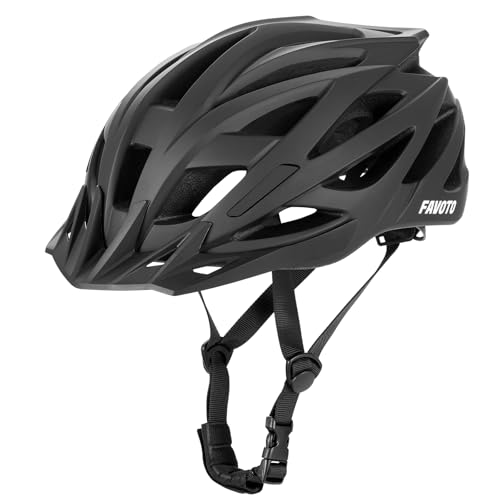
Favoto Bike Helmet Adult Commuting Road Cycling Visor Large
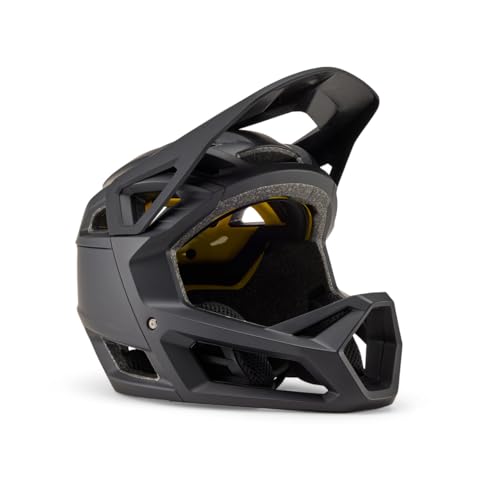
Fox Racing Unisex Proframe Mountain Bike Helmet Mips

SMITH Forefront 3 MTB Cycle Helmet Matte Slate Small
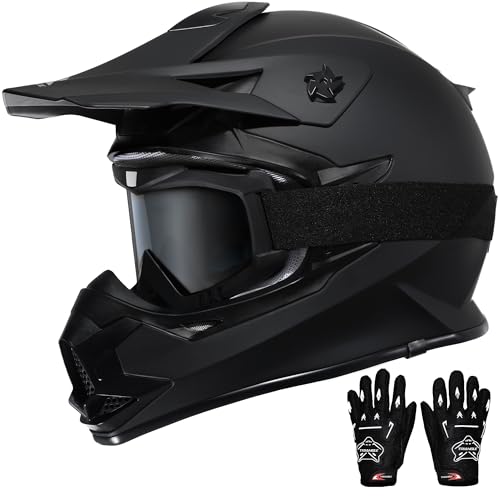
TRIANGLE Adult Dirt Bike Helmet Full Face Motocross
Inside Each Recommended Option
Low-light commuting gets simpler with a light already built into the shell. You get a 5-LED rear light with three functions, so dawn and dusk rides do not depend on a separate clip-on. The 54 to 61 cm sizing range covers many adult head sizes with one adjustable shell.
Unlike the full-face options later in this list, this open-face shape keeps heat and weight down for longer road stretches. Fifteen vents and internal channels move air across the head, and washable padding helps after sweaty summer commutes. The removable visor adds sun coverage without forcing a trail-style peak.
Everyday Wins
- Integrated 5-LED light raises visibility without extra accessories
- Washable padding refreshes easily after repeated commutes
- ErgoKnob-2 dial adjusts fit with a simple twist
- Fifteen vents support airflow on long rides
Things To Consider
- Open-face design lacks chin-bar coverage for technical descents
- One size range may need careful measurement before ordering
Aggressive trail riding calls for more coverage at the temples and back of the head. The Tectal adds that extended coverage while keeping airflow channels open for hot climbs. Ventilation design was evaluated through wind tunnel testing, which gives the vent layout a clear purpose on long descents.
Your fit comes from a 360-degree adjustment system, so fine tuning happens all around rather than only at the rear. An adjustable peak lifts to store goggles or sunglasses underneath, a small detail that helps during transitions between climbing and descending. The unibody polycarbonate shell and reinforced EPS liner, EPS meaning expanded polystyrene foam, keep the structure light while supporting impact absorption. An integrated RECCO reflector adds a passive locating element for rescue services.
Everyday Advantages
- Extended temple and rear coverage suits enduro terrain
- Adjustable peak stores eyewear during climbs
- Goggle clip keeps eyewear secure on rough sections
- Ventilated channels help on hot days
- RECCO reflector supports search visibility
Worth Noting
- Open-face format offers no chin-bar protection
- Trail-specific shape may feel bulky for pure road use
Who It Suits Best
Trail and enduro riders who ride technical terrain in warm conditions.
Where Another Pick Suits Better
Fox Racing Unisex Proframe Mountain Bike Helmet Mips suits riders who want full-face coverage for aggressive descents.
Downhill and BMX riding changes the protection priority completely. You get a fixed chin bar covering the face and jaw area, paired with a polycarbonate shell and EPS foam for the main body. The chin bar uses ABS shell material with EPP foam, EPP meaning expanded polypropylene, for impact absorption in that zone.
At roughly 700 grams, this full-face option stays lighter than many comparable designs, which matters during lift-access days. Multiple vents help manage heat, and the wide visor can be removed for a different look or sun setup. Goggle compatibility lets riders pair preferred eyewear, though goggles are not included.
Well-Handled Touches
- Chin bar adds coverage for challenging mountain terrain
- Removable and washable liner refreshes after muddy rides
- Multiple vents support airflow during long sessions
Trade Offs
- Full-face shape feels warmer and heavier than open-face picks
- Sizing guidance notes a slightly loose feel may be normal
- Goggles sold separately
Long road rides punish a heavy shell around the neck. This helmet weighs 260 grams, so it sits lightly during daily commutes and weekend routes. Moisture-wicking padding adds wrap-around comfort without a bulky feel.
Your head size determines the fit here, with Medium at 55 to 58 cm and Large at 58 to 60 cm. Twenty-six vents create steady airflow for hot climbs, and a detachable snap-on visor switches between road and trail looks without tools. In-mold construction pairs a polycarbonate shell with high-density EPS foam for impact absorption.
A Few Highlights
- 260 g weight helps during long rides
- Removable padding makes cleaning straightforward
- Detachable visor adapts to sun and speed
- Twenty-six vents support hot-weather riding
- Dial adjustment fine-tunes fit quickly
Minor Gripes
- Large sizing range is narrow at 58 to 60 cm
- Open-face design lacks trail chin protection
Full-face protection often means overheating on the climb up. The Proframe counters that with increased ventilation and reduced surface contact inside the shell. That design keeps the helmet usable for all-mountain and enduro routes, not only short downhill runs.
Mips, a system that allows the helmet to rotate slightly during certain impacts to redirect rotational forces, sits inside this lightweight shell. A three-position adjustable visor works with goggles, and a removable mount under the visor holds a GoPro camera. The helmet meets the ASTM-F1952 downhill standard, which is a useful reference point for aggressive riding.
The Upside
- Mips system addresses rotational motion during impacts
- Three-position visor adapts to goggles and terrain
- Removable camera mount keeps setup flexible
- Ventilation helps during long trail days
Points To Note
- Full-face format still feels enclosed for casual riders
- Camera mount may need removal for storage
Made For
All-mountain and enduro riders who climb as well as descend.
Consider Something Else When
ILM Adult Full Face Mountain Bike Helmet ZL-B068 suits riders who prefer a simpler full-face setup without camera mounting.
Technical terrain rewards a helmet that stays stable through rough sections. The Forefront 3 uses full Koroyd coverage, Koroyd meaning a set of energy-absorbing tubes, plus a Mips Air Node system and internal roll cage. That combination manages impact energy while reducing rotational forces, and meets U.S. CPSC, CE EN 1078, and AS/NZS 2063 standards.
Your fit comes from a micro-adjustable BOA system, which uses a dial and wire to fine-tune pressure around the head. At 410 grams, the helmet stays light for long rides, and 20 fixed vents with AirEvac ventilation help move warm air out. The removable visor rotates into three positions and works with Smith sunglasses and goggles for eyewear storage.
The Good Stuff
- BOA dial gives precise, repeatable fit adjustment
- Extended rear coverage suits technical terrain
- AirEvac vents help keep lenses clearer
- Visor storage works with sunglasses and goggles
Small Caveats
- Small sizing in this listing needs careful measurement
- Open-face format lacks chin-bar coverage
Motocross riding brings dust, speed, and a different protection brief from mountain biking. This full-face helmet uses a high-strength ABS shell with a high-density EPS liner and meets DOT standards for powersports use. Chin, side, top, and rear vents keep fresh air moving inside.
You receive a complete kit with goggles and gloves included, which simplifies starting out. Goggles block wind and sunlight, while gloves provide a snug, non-slip grip. A removable, washable liner wicks sweat, and sizing spans S through XL from 55 to 62 cm for a closer match.
Key Advantages
- Goggles and gloves included in the package
- Removable liner makes cleaning easier after dusty rides
- Four sizes help match head circumference
- Multiple vents support airflow at speed
Areas To Watch
- Motocross format is heavier and warmer than MTB open-face picks
- Kit approach may include gear beyond immediate needs
What Matters Most Before Choosing Mtb Helmets
Shell Style and Coverage
Open-face helmets keep weight and heat low for climbing and commuting. Full-face helmets add chin-bar coverage for downhill, BMX, and motocross use. Matching shell style to terrain prevents a helmet that feels overbuilt on smooth trails or underbuilt on steep descents.
Fit and Sizing
Head circumference in centimeters determines the right size across most listings. Dial systems, BOA dials, and strap adjustments fine-tune that starting size. A helmet that shifts during a ride will distract during technical sections, so measure before ordering and check the size chart for the exact model.
Venting and Weight
Vent count alone does not tell the whole story, because channel design affects how air moves across the head. Weight matters on long rides, with options here ranging from 260 grams to about 700 grams. Lighter shells suit long climbs, while heavier full-face shells trade comfort for coverage.
Features That Match Your Routes
Built-in lights help commuters at low light, while goggle clips, adjustable peaks, and camera mounts help trail riders. Removable liners and visors simplify cleaning and sun management. Prioritize features that match regular routes rather than features that look good on a spec list.
Key Considerations Across These Picks
Common Shopping Slip Ups
Ordering by general size labels instead of centimeter measurements leads to poor fit. Ignoring shell style creates the other common mismatch, such as using an open-face helmet for downhill riding. Checking goggle compatibility and visor needs before ordering prevents surprises on the trail.
What The Higher Tier Buys
Higher-tier models often add layered impact systems, such as Koroyd coverage paired with Mips, plus finer fit dials. Ventilation channels and eyewear integration also improve with price. The upgrade pays off for riders spending long days on technical terrain, while simpler routes gain less from those additions.
Frequently Asked Questions
How do you measure head size for a helmet?
Measure circumference in centimeters around the head above the eyebrows and ears. Match that number to the size chart for the specific model before ordering.
What is the difference between open-face and full-face helmets?
Open-face helmets cover the top and back of the head with lower weight and better airflow. Full-face helmets add a chin bar for downhill, BMX, and motocross riding.
Do full-face helmets work for climbing?
Some full-face designs, such as the Fox Racing Proframe, focus on ventilation for all-mountain use. Heavier full-face models still feel warm during long climbs, so consider route length and heat.
Are goggles included with these helmets?
Goggle inclusion varies by model in this list. The TRIANGLE kit includes goggles and gloves, while the ILM helmet notes goggles are sold separately.
Which helmet suits daily commuting?
Open-face models with lights and many vents suit commuting best. The Retrospec Lennon adds a built-in light, while the Favoto keeps weight low for longer road rides.
Final Verdict
For city commuting, the Retrospec Lennon balances light, vents, and washable padding. Trail riders gain more from the POC Tectal or SMITH Forefront 3, depending on fit preference. Full-face needs point toward the Fox Racing Proframe for climbing-friendly airflow or the ILM ZL-B068 for a simpler downhill setup. Your routes and head measurement will make the final call clear.