
A rough trail demands quick timing, clear navigation, and a device that stays readable through dust, sweat, and changing light. Riders who split time between road climbs and technical descents need different tools from riders who mainly want lap timing or elevation data. The seven choices below separate simple timing watches from GPS smartwatches and a handlebar computer, so the fit matches the kind of riding planned.
A Closer Look At The Lineup
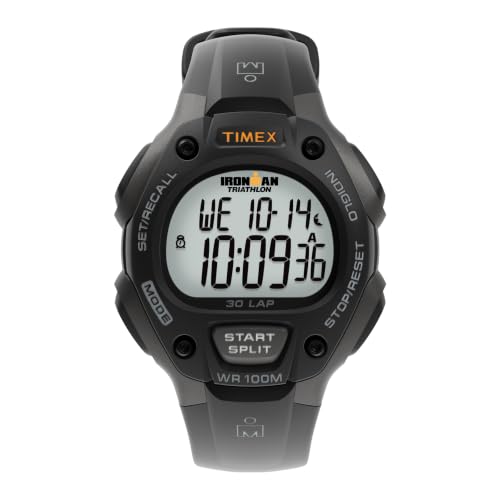
Timex Ironman Classic 30 38mm Watch Gray Case

Garmin vívoactive 5 GPS Smartwatch 42mm Ivory

Garmin Instinct 3 AMOLED GPS Smartwatch 45mm Black

Casio PRG340 Pro Trek Green Watch

Garmin Forerunner 165 Running Smartwatch 43mm Black

CYCPLUS Wireless GPS Bike Computer G1 70g
Amazfit T-Rex 3 Pro Smart Watch 1.32 AMOLED
The Picks, Examined More Closely
Interval training on a trail loop gets straightforward here. A 38mm gray resin case and 16mm adjustable strap keep the watch light during repeated efforts, and the five-button layout gives direct access to timers and alarms.
Lap memory holds 30 laps within a 100-hour chronograph, which suits riders timing descents or repeat climbs. INDIGLO backlight and an acrylic lens keep the digital display readable after dark, while two time zones help with travel between trailheads.
Positive Takeaways
- 30-lap memory supports repeat climb timing
- Three alarms help pace training sessions
- INDIGLO backlight aids night readability
- Light resin case suits long rides
Things To Consider
- No GPS route tracking for navigation
- Digital display lacks map guidance
Daily trail riding paired with broader health tracking fits this 42mm model well. Unlike the Timex model, this watch adds GPS sports apps, so route and activity data come from the wrist rather than a separate computer.
Body Battery energy monitoring combines sleep, stress, and workout data into a daily readiness view. Sleep Coach adds a sleep score and guidance, and more than 30 indoor and GPS apps cover cycling alongside walking, running, and other activities.
The Value In It
- AMOLED display stays bright outdoors
- Body Battery links sleep and effort
- Music downloads allow phone-free listening
- Workout benefit explains training impact
- Up to 11 days in smartwatch mode
Worth Noting
- Always-on display reduces battery to 5 days
- 42mm case may feel large on smaller wrists
Remote trails with rough terrain call for a tougher shell and stronger navigation sensors. This 45mm watch uses a fiber-reinforced polymer case with a metal-reinforced bezel, a step up in ruggedness from the vívoactive 5.
Multi-band GPS with SatIQ technology aims for steadier positioning under tree cover while preserving battery. A 3-axis compass and barometric altimeter add heading and elevation data, and a built-in LED flashlight helps after a late finish.
Useful Highlights
- Up to 18 days battery in smartwatch mode
- Built-in flashlight with strobe modes
- Compass and altimeter support navigation
- 100-meter water rating for wet rides
Trade Offs
- 45mm size adds bulk on long rides
- Button controls suit gloves but take practice
Who It Suits Best
Riders exploring unfamiliar backcountry routes who value compass, altimeter, and flashlight in one watch.
Where Another Pick Suits Better
Garmin vívoactive 5 suits riders who prioritize sleep coaching and music over a rugged bezel and flashlight.
Elevation changes matter more than route maps for some riders. Triple Sensor Version 3 combines digital compass, barometer, thermometer, and altimeter, giving heading, weather pressure, temperature, and altitude on the wrist.
Tough Solar charging converts light into power, which reduces charging routines during multi-day trips. A rotating bezel, 100-meter water resistance, and Super Illuminator backlight support use in rain and low light.
Well-Handled Touches
- Solar charging suits extended trips
- Altimeter range covers -700 to 10,000 meters
- Full-auto LED backlight aids night checks
Minor Gripes
- No GPS tracking for route recording
- Sensor readings need calibration awareness
Structured training takes priority here, even on mixed run and ride weeks. GPS pace, distance, and wrist-based heart rate feed training effect labels and recovery time, so effort and rest stay linked.
Garmin Coach and race adaptive plans adjust workouts around performance and recovery. Morning report summarizes sleep, recovery, training outlook, weather, and HRV status before the first ride of the day.
Good Reasons To Consider
- Adaptive plans respond to recovery
- AMOLED touchscreen plus button controls
- Garmin Pay allows contactless payments
- Incident detection during select activities
- Up to 19 hours in GPS mode
Points To Note
- Training focus leans toward running
- 43mm case may crowd smaller wrists
Handlebar data suits riders who prefer glanceable numbers without looking at a wrist. At 70 grams with a 2.0-inch screen, this computer mounts ahead of the rider and shows ride time, distance, clock, and current altitude.
GPS tracks routes with automatic backlight for low light, and FSTN technology keeps the screen readable in sunlight. A 1200mAh battery provides more than 55 hours of sustained work, and IPX6 sealing handles rain.
Real-World Strengths
- Large runtime suits long tours
- Wireless design reduces cable clutter
- Tempered glass resists scratches
- Sleep mode preserves last ride data
Small Caveats
- Handlebar mount adds setup steps
- Wrist health tracking is absent
Made For
Riders who want speed, distance, and altitude visible on the bars during long trail days.
Consider Something Else When
Garmin Instinct 3 AMOLED suits riders who need wrist-based navigation and health data instead of a handlebar mount.
Offline navigation sets this model apart from the Forerunner 165. Offline maps support POI search, auto rerouting, and round-trip route creation, which helps on unfamiliar trail networks without phone coverage.
Sapphire glass, a titanium alloy bezel, and a 3000-nit AMOLED display handle bright sun and rough handling. Dual-band GPS from six satellite systems aims for reliable positioning under dense tree cover, and battery life reaches up to 17 days.
The Case For It
- Offline maps aid route planning
- Two-color flashlight includes SOS signal
- 180+ sport modes cover varied activities
- 10 ATM rating with diving certification to 45m
Areas To Watch
- 48mm version may feel bulky
- Hands-free messaging needs Android phone
What Matters Most Before Choosing Mountain Biking Watch
Navigation Needs
Route maps, compass, and altimeter matter on unfamiliar trails. Riders staying on familiar loops gain more from lap timing and interval alarms.
Data Placement
Wrist data suits quick checks during descents, while a handlebar computer keeps eyes forward on technical sections. Display size and backlight type affect readability in bright sun and low light.
Battery and Recovery
Long GPS sessions drain battery faster than smartwatch mode, so runtime ratings need checking against typical ride length. Recovery and sleep tracking help riders balance hard days with rest, especially during training blocks.
Key Considerations Across These Picks
Common Shopping Slip Ups
Shoppers sometimes prioritize display brightness over navigation sensors, then discover elevation data is missing on steep routes. Checking sensor lists before purchase prevents that mismatch.
What The Higher Tier Buys
Higher tier models add offline maps, multi-band GPS, and sapphire glass, which support remote riding and rough handling. The upgrade pays off for riders exploring new areas regularly.
Frequently Asked Questions
Does a mountain biking watch need GPS?
GPS helps record routes and distance on unfamiliar trails. Simple timing watches suit familiar loops where lap and interval data matter more.
Are wrist watches or handlebar computers better?
Wrist watches combine health tracking with ride data in one device. Handlebar computers keep data in the forward view during technical descents.
How important is battery life for trail riding?
Battery life matters on long rides and multi-day trips. GPS mode ratings show how long tracking lasts before charging is needed.
Can these watches handle rain and river crossings?
Water ratings range from 50 meters to 100 meters across these picks. Higher ratings suit wet conditions and water exposure during rides.
Which option suits beginners?
Beginners benefit from simple timing or basic GPS apps without complex menus. Adaptive training plans help riders build fitness gradually.
Final Verdict
Trail riding goals should drive the choice, from simple timing to offline navigation. Riders who value recovery data may prefer the vívoactive 5, while remote route explorers may prefer the T-Rex 3 Pro. Matching sensors to terrain keeps the watch useful on every ride.