
A gravel path on a Saturday morning, a short commute across town, or a park loop after work all call for the same thing: a mountain bike that handles mixed surfaces without demanding a large budget. The right frame material, wheel size, gear range, and brake type change how a bike feels on hills, on rough ground, and during daily stops. This roundup compares seven adult options built around 21-speed or 18-speed drivetrains, front or dual suspension, and disc or rim braking, so the differences in weight, fit, and setup time stay clear.
The Shortlist At A Glance

CamPingSurvivals 26/27.5 Inch Mountain Bike 21 Speed Blue
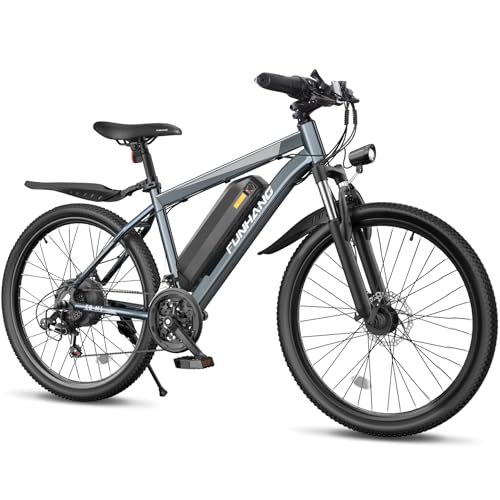
Funhang Electric Bike for Adults 1000W Peak 26 Inch 48V

WEIZE 26 27.5 inch Mountain Bike Trail MTB
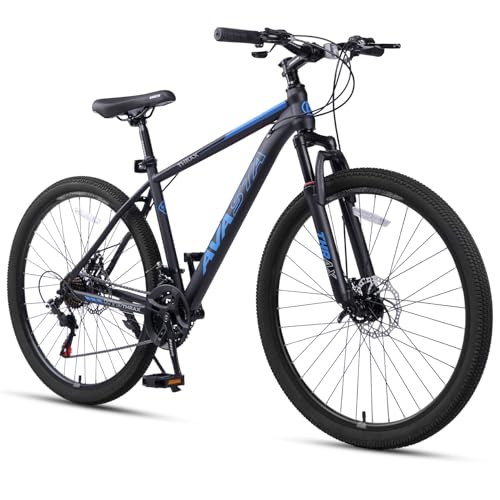
AVASTA Thrax 24 26 27.5 Inch MTB Mountain Bike

26 Inch Mountain Bike 21 Speed Hardtail Steel Frame MTB

QARSWA 26/27.5 Inch Mountain Bike Aluminum Frame MTB 21-Speed

WEIZE Mountain Bike 24 26 27.5 inch 18-Speed Dual Suspension
A Deeper Look At The Lineup
Rocky paths and loose gravel demand grip and braking control, and this model leans into that brief with all-terrain tires and mechanical dual disc brakes at both wheels. A high-carbon steel frame gives the structure a sturdy feel for heavier riders, while a quick-adjust seat clamp makes height changes straightforward between riders. You get a 21-speed trigger system, meaning thumb levers on the handlebar select gears across front and rear derailleurs for climbs and faster stretches.
The lock-out suspension fork matters here because locking out reduces bobbing on smooth pavement, then unlocks for bumps on dirt. Unlike the aluminum options later in this list, steel adds weight but keeps the build simple and strong. Assembly covers the handlebar, seat, front wheel, and pedals, plus brake and gear adjustment, with the bike arriving 85% assembled.
Everyday Wins
- Dual disc brakes give stronger stopping control than rim brakes on wet or steep descents
- 21 speeds cover flat roads, hills, and rough trails in one setup
- Lock-out fork switches between smooth-road efficiency and trail comfort
- Quick-adjust seat clamp helps share the bike between riders
- 85% assembly shortens setup compared with fully flat-packed bikes
Things To Consider
- Steel frame adds carrying weight compared with aluminum frames in this list
- Brake and gear adjustment remains part of setup, so budget time for tuning
Steep hills on a commute or a headwind on an open trail change the math completely, and electric assist addresses both. A 500W motor with 1000W peak output pairs with a 48V removable battery rated at 374.4Wh. Full electric range reaches 25 to 30 miles, while pedal assist extends that to 40 to 50 miles depending on rider weight, style, and road conditions.
Five riding modes and five pedal assist levels let you dial assistance to the slope or the effort level for the day. An LCD display shows battery life, speed, mileage, and assist level at a glance. Front suspension, fenders, dual disc brakes, an LED headlight, horn, and reflectors round out a setup aimed at mixed road and trail use. You can charge the lockable battery on or off the bike in 4 to 5 hours.
Everyday Advantages
- Removable battery allows indoor charging away from the bike
- Pedal assist range suits longer commutes than full electric mode
- Fenders reduce mud and spray on wet roads
- LCD display keeps speed and battery status visible while riding
Worth Noting
- Electric drive adds weight and charging time compared with pedal-only bikes
- Fit range covers riders from 5’3″ to 6’1″ and up to 300 lbs, so check sizing
Who It Suits Best
Commuters and trail riders who want motor help on climbs and longer distances.
Where Another Pick Suits Better
QARSWA 26/27.5 Inch Mountain Bike Aluminum Frame MTB 21-Speed suits riders who prefer a lighter pedal-only bike for exercise.
Neighborhood streets, park trails, and gravel paths describe the sweet spot for this WEIZE model. A lightweight aluminum frame keeps lifting and carrying easier than the steel CamPingSurvivals option, and front plus rear suspension softens bumps on uneven ground. You choose between a 26-inch wheel for riders 5’3″ to 5’10” or a 27.5-inch wheel for riders 5’5″ to 6’5″.
Both sizes share a 17-inch frame, 2.125-inch wide tires, a kickstand, and a front reflector. A 21-speed setup handles flat roads and hills, and dual disc brakes provide stopping control for turns and varied terrain. For most backyards and park routes, that combination covers commuting, fitness rides, and light outdoor use without a steep learning curve.
The Helpful Details
- Aluminum frame reduces weight for carrying up stairs or loading a car
- Full suspension reduces vibration on gravel and light trails
- Two wheel sizes help match rider height more closely
- Kickstand and reflector support daily street use
Small Caveats
- Full suspension suits light trails, so aggressive rock sections remain outside its comfort zone
- 17-inch frame sizing means height checks matter before ordering
Households with riders of different heights often struggle with a single wheel size, and three sizes change that equation. The Thrax comes in 24, 26, and 27.5 inches with quick-release wheels, so a shorter rider and a taller rider can each find a closer match. A high-carbon steel frame provides a sturdy base for trail and street riding.
A premium suspension fork handles bumps and uneven ground, while a 21-speed derailleur system, meaning gears controlled by front and rear derailleurs, pairs with disc brakes for gear changes and stopping. Setup reaches 75% pre-assembled, and an installation video supports the remaining steps. In our view, size choice matters more than any single feature here.
Where It Helps
- Three wheel sizes cover a wider height range within one model line
- Quick-release wheels simplify transport and storage
- Suspension fork improves comfort on rough paths
- 75% pre-assembly reduces setup steps
Points To Note
- Steel frame weighs more than aluminum alternatives for carrying
- Choosing the correct wheel size remains essential for fit and control
A hardtail, meaning suspension only at the front, keeps a bike simpler to maintain than a dual-suspension design. This 26-inch model pairs a high-tensile steel frame with an 80mm travel suspension fork, where travel describes how far the fork compresses over bumps. You get front and rear mechanical disc brakes for stopping in wet or dry conditions.
The 21-speed drivetrain supports hills and varied landscapes, and ergonomic geometry aims for a comfortable riding position on dirt paths and gravel trails. Colors include black, blue, and orange. Compared with the WEIZE full-suspension model, this hardtail trades rear cushioning for a lighter, more direct feel on smoother routes.
Noteworthy Benefits
- 80mm fork absorbs bumps while hardtail design stays simpler
- Disc brakes at both wheels support wet-weather stopping
- 21 speeds handle hills and flat stretches
- Three color choices suit different preferences
Trade Offs
- No rear suspension means rough trails feel firmer than dual-suspension picks
- Steel frame adds weight for lifting into a vehicle
Made For
Riders who want a straightforward hardtail for trails, commuting, and off-road paths.
Consider Something Else When
WEIZE 26 27.5 inch Mountain Bike Trail MTB suits riders who want rear suspension for bumpier routes.
Longer rides expose weight quickly, and an aluminum frame addresses that directly compared with steel models earlier in this list. A 21-speed drivetrain with trigger shifters, meaning thumb levers for quick gear changes, supports climbing and cruising. Dual mechanical disc brakes provide stopping control for steep descents and sudden stops.
A front suspension fork absorbs shocks on rugged terrain, and a high-elastic foam saddle plus adjustable seat height help tailor fit for exercise or daily workouts. The bike arrives 85% pre-assembled with tools and a quick-release front wheel. You can move from box to trail with fewer setup steps than a fully flat-packed alternative.
The Value In It
- Aluminum frame keeps weight lower for long rides and carrying
- Trigger shifters allow quick gear changes on hills
- Quick-release front wheel simplifies transport and storage
- Adjustable seat height supports different rider sizes
- 85% pre-assembly cuts setup time
Minor Gripes
- Front suspension only, so rear bumps reach the rider more than on dual-suspension bikes
- Wheel size choice between 26 and 27.5 inches affects fit and handling
QARSWA 26/27.5 Inch Mountain Bike Aluminum Frame MTB 21-Speed
Casual trail rides often come down to comfort over distance, and dual suspension targets that need directly. A front suspension fork plus a rear coil shock smooth bumps along the way. You get an 18-speed system with twist shifters and front and rear derailleurs, which helps find a comfortable cadence, meaning pedaling rhythm, on mixed paths.
Front and rear linear pull brakes, meaning cable-operated rim brakes, provide stopping control, and all-terrain tires suit varied surfaces. The 26-inch version fits riders 5’2″ to 6’2″, and the bike suits riders aged 13 and up. Assembly takes about 20 minutes with included tools, and an installation video covers brake adjustment.
What Works In Its Favor
- Dual suspension smooths bumps at both ends of the bike
- Adjustable ergonomic seat helps tailor riding position
- 18 speeds cover hills and flat paths for casual riding
- Three wheel sizes broaden fit options
Honest Caveats
- Rim brakes offer less stopping power than disc brakes on steep wet descents
- 18 speeds give a narrower range than 21-speed options in this list
What Matters Most Before Choosing a Mountain Bike
Frame Material and Weight
Aluminum frames, such as the WEIZE and QARSWA models, keep weight lower for carrying and longer rides. Steel frames, such as the CamPingSurvivals and AVASTA models, add strength and simplicity at a weight cost. Storage space also matters, because a bike stored in a small garage or apartment benefits from quick-release wheels and a frame that lifts easily.
Wheel Size and Rider Height
Wheel size affects fit, handling, and roll-over ability on rough ground. A 24-inch wheel suits shorter riders, a 26-inch wheel covers a broad middle range, and a 27.5-inch wheel suits taller riders. You can check the stated height ranges for each model before ordering, since a close match improves control and comfort.
Suspension and Braking
Front suspension alone keeps a bike simpler, while dual suspension adds cushioning on bumps at both wheels. Disc brakes generally provide stronger stopping than rim brakes on steep or wet descents. Match the setup to the routes ahead, because smooth park paths need less suspension than rocky trails.
Gears and Setup Time
Twenty-one speeds provide a wider range for hills and headwinds than 18 speeds. Pre-assembly levels also differ, from 75% to 85%, which changes setup time. An electric model adds charging and battery storage needs, so consider where charging will happen at home.
Key Considerations Across These Picks
Common Shopping Slip Ups
Ordering by color or wheel size alone often leads to a poor fit. Height ranges and frame size deserve a check first, and brake type matters for riders planning steep descents.
What The Higher Tier Buys
Higher-tier models add electric assist, lighter frames, or more suspension travel. Those upgrades pay off on long commutes, steep climbs, and rough trails, while casual park rides gain less from them.
Frequently Asked Questions
What wheel size fits most adults?
A 26-inch wheel fits many adults in the 5’3″ to 5’10” range, while 27.5 inches suits taller riders. Height ranges listed for each model give a more reliable guide than age alone.
Is aluminum or steel better for a mountain bike?
Aluminum keeps weight lower for carrying and longer rides. Steel offers a sturdy, simple structure that suits rough use at a weight cost.
Are disc brakes better than rim brakes?
Disc brakes provide stronger, more consistent stopping on steep or wet descents. Rim brakes remain simpler and suit flatter, casual routes.
How long does assembly take?
Pre-assembly levels range from 75% to 85% across these models, with tools included. Brake and gear adjustment still needs time after the main parts go together.
Does an electric bike suit a long commute?
Pedal assist extends range to 40 to 50 miles on the Funhang model, depending on rider weight and road conditions. Full electric mode covers a shorter distance, so assist level choice affects daily range.
Final Verdict
For mixed daily riding, the WEIZE aluminum model balances weight, suspension, and fit across two wheel sizes. Riders facing steep hills or longer commutes gain more from electric assist, while rough-trail riders may prefer steel strength and disc brakes. Match frame, wheel size, and braking to the routes ahead, and the choice becomes clear.