
A frame choice shapes fit, handling, and what parts can join the build later. You need a size and suspension setup that match your height, terrain, and build plans. That match matters more than extras on a spec sheet. The seven options below split between complete bikes, bare frames, and one rear rack, so frame compatibility decides which group fits your project.
The Leading Options At A Glance

WEIZE 26 27.5 Inch Mountain Bike (Gray 26 Inch)
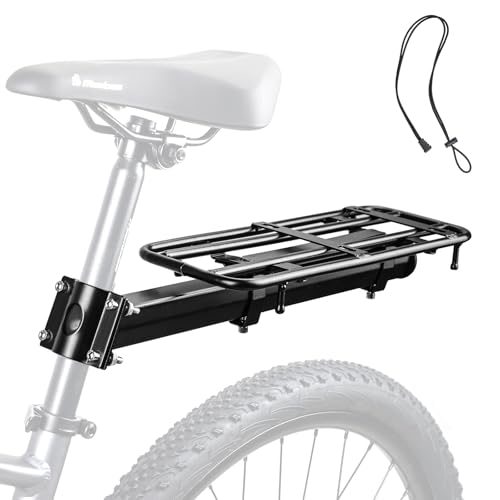
WEEROCK Adjustable Universal Rear Bike Rack 20-29 Inch

HIMALO 27.5er/29er Full Suspension Frame 140mm Boost Yellow L

Hardtail Mountain Bike Frame 26er XC MTB 17 Inch Aluminum

Gravity FSX 29 Inch Aluminum Dual Suspension Frame Set

Gravity FSX 26 Inch Aluminum Dual Suspension Frame

Huffy Stone Mountain Bike 20 24 26 Inch
A Deeper Look At The Lineup
A complete bike suits commuters who want rolling immediately rather than sourcing parts separately. The 26 inch version fits riders from 5’3″ to 5’10”, and the 27.5 inch version covers 5’5″ to 6’5″, so height matching comes first. In our view, that sizing split makes the choice clearer than a single size for mixed households.
Front and rear suspension smooth rough pavement and light gravel, while 21 speeds handle hills without complex setup. Dual disc brakes add stopping control for turns and descents on neighborhood streets. The honest read is that this is a comfort focused commuter first, not a frame for aggressive trail builds like the HIMALO frame later in the lineup.
Real Benefits
- Complete bike ready for commutes and fitness rides
- Full suspension softens bumps on uneven roads
- 21 speeds cover flat roads and moderate hills
- Front and rear disc brakes improve stopping control
- Two wheel sizes match different rider heights
Things To Consider
- Complete bike format limits custom part choices
- 17 inch frame size needs a height check before ordering
This rear rack adds cargo capacity to an existing mountain bike or commuter bike. It fits 20 to 29 inch wheels, and front to back adjustment helps clear the rear wheel and seat area. For most commutes under 10 miles, that added space turns a bare bike into a practical errand carrier.
Carbon steel construction supports up to 15 kg or 33 lbs, which covers pannier bags, baskets, and luggage for tours. Mounting uses iron plates and screws on the seat tube, and a rear reflector adds visibility at night. Unlike the bare frames in this lineup, this item solves carrying needs rather than frame geometry.
Advantages To Know
- Fits 20 to 29 inch bicycles with adjustable positioning
- Steel build supports 15 kg load capacity
- Seat tube mounting suits many bike styles
- Rear reflector improves nighttime visibility
Worth Noting
- Accessory only, not a replacement frame
- Load limit requires checking bag weight before long tours
- Seat tube compatibility needs a quick fit check
Who It Suits Best
Commuters and tourers who already own a 20 to 29 inch bike and need rear carrying space.
Where Another Pick Suits Better
WEIZE 26 27.5 Inch Mountain Bike suits riders who need a complete bike instead of an add-on rack.
Builders chasing enduro or downhill geometry get a dedicated frame here, not a complete bike. Boost spacing means a 148 mm rear axle standard that allows stronger wheel builds and wider tire clearance. You need matching Boost wheels, fork, and drivetrain parts, so planning matters before ordering.
The four link rear structure and 140 mm travel target rough mountain terrain, cross country, all mountain, and downhill use. A 210 mm rear shock, tapered headtube, and 73 mm threaded bottom bracket give specific compatibility points to check. One thing worth considering is fork travel between 100 and 150 mm, which changes handling balance.
A Few Highlights
- 140 mm travel for technical mountain terrain
- Boost 12×148 mm thru axle rear spacing
- 6061 aluminum with thickened rear fork
- Internal routing keeps cables tidy
- Rear shock and thru axle lever included
Trade Offs
- Frame only, so fork and wheels are separate
- Boost parts must match the frame standard
- Size choice between 16 and 18 inch affects fit
HIMALO 27.5er/29er Full Suspension Frame 140mm Boost Yellow L
Cross country builders get a hardtail frame with no rear suspension to tune or maintain. The 17 inch AL6061 frame weighs about 1760 g, which keeps climbs and accelerations lighter than full suspension frames such as the Gravity options. Your build still needs a fork, wheels, and drivetrain, so total cost depends on parts already on hand.
Quick release rear spacing of 135 mm and disc only braking define the parts list clearly. A tapered headset, 73 mm threaded bottom bracket, and 31.6 mm seatpost are the key fit points to verify. For most riders focused on smooth trails rather than rough descents, hardtail simplicity is a real advantage.
Practical Pluses
- Lightweight 1760 g aluminum hardtail frame
- Simple design with fewer moving parts
- Half internal routing for cleaner cable runs
- Disc brake ready for controlled stopping
Minor Gripes
- No rear suspension for rough terrain
- 26 inch wheel size limits tire choices
- Frame only, fork and components separate
A 29 inch dual suspension frame set appeals to builders who want more included hardware. The package adds a suspension fork with lockout, headset, seatpost, clamp, and stem alongside the frame. You still need wheels, brakes, and drivetrain, but fewer small parts to source separately.
6061 aluminum construction with hydroformed tubes and a single pivot rear design keeps the build straightforward. The rear shock offers adjustable preload, damping, and lockout for different surfaces. Compared with the HIMALO Boost frame, this set uses 135 mm rear spacing and a more inclusive parts bundle.
What Earns Its Place
- 29 inch suspension fork with lockout included
- Headset, seatpost, clamp, and stem included
- Adjustable rear shock with lockout
- Disc brake ready frame design
- Multiple sizes from 15 to 21 inch
Points To Note
- Wheels and drivetrain are not included
- 68 mm bottom bracket shell needs matching parts
- 135 mm spacing differs from Boost frames
The 26 inch version of the FSX platform suits builders who prefer a smaller wheel for tighter trails. It shares the single pivot design, 6061 aluminum front triangle, and disc brake mounts with the 29 inch set. That shared structure makes parts planning more familiar across both sizes.
An adjustable KS coil rear shock is included, and the rear triangle uses a replaceable derailleur hanger. Sizes run from 15 to 21 inch, giving height options for different riders. In our view, the smaller wheel can feel more playful on twisty routes, while the 29 inch version rolls faster on open terrain.
Everyday Advantages
- 26 inch dual suspension frame for trail builds
- Adjustable rear shock included
- Replaceable rear derailleur hanger
- Disc brake ready design
Softer Spots
- Fork, headset, and seatpost are not included
- 26 inch wheels are less common on newer builds
- Bottom bracket and drivetrain need separate purchase
Made For
Riders building a 26 inch trail bike who already have a fork and cockpit parts on hand.
Consider Something Else When
Gravity FSX 29 Inch Aluminum Dual Suspension Frame Set suits riders who want a fork and headset included.
A steel frame and complete build make this a straightforward entry for casual trail riding. Front suspension and a rear spring shock absorb bumps on gravel paths and uneven roads. Your size choice among 20, 24, and 26 inch models should match height, with the 26 inch version aimed at riders 5’0″ or taller.
21 speed Shimano gearing with twist shifters and a rear derailleur covers hills with simple controls. Knobby all terrain tires add grip on dirt and pavement, and the gray gloss finish with red accents gives a clean look. Unlike the aluminum frames earlier, steel construction here prioritizes durability and value for recreational use.
Notable Gains
- Complete bike with dual suspension setup
- 21 speed Shimano drivetrain for hills
- Knobby tires for dirt and pavement grip
- Steel frame with stylish gloss finish
Small Caveats
- Steel frame is heavier than aluminum options
- Size selection matters for younger riders
- Complete bike limits custom upgrades
What Matters Most Before Choosing Mountain Bike Frames
Frame Size and Rider Height
Frame size controls reach, standover, and handling. You should match height ranges carefully, since a 17 inch frame feels different from a 19 or 21 inch option. A frame that feels too large makes steering awkward on tight trails.
Wheel Size and Tire Clearance
Wheel size changes rolling speed and maneuverability. Larger wheels roll over obstacles more easily, while smaller wheels turn more sharply. Tire clearance matters too, because wide knobby tires need space inside the frame.
Suspension Type and Travel
Hardtail frames keep climbs efficient and maintenance simple. Full suspension frames absorb rough terrain and reduce fatigue on descents. Travel amount should match terrain, with more travel for technical routes and less for smooth paths.
Compatibility and Included Parts
Rear axle spacing, bottom bracket type, and headset standards decide which parts fit. Some sets include a fork, headset, or seatpost, while bare frames require those purchases separately. Checking standards early prevents mismatched components later.
Key Considerations Across These Picks
Common Shopping Slip Ups
Shoppers often overlook axle spacing and bottom bracket standards until parts arrive. Checking those numbers against existing wheels and drivetrain parts saves costly swaps. Size charts deserve the same attention, since height ranges vary by brand.
What The Higher Tier Buys
Higher tier frames bring specific standards such as Boost spacing, sealed bearings, and internal routing. Those details support stronger wheels, cleaner cables, and easier future upgrades. The extra cost makes sense for builders planning technical terrain and long term part compatibility.
Frequently Asked Questions
What is the difference between a hardtail and full suspension frame?
A hardtail has no rear suspension, so climbs feel efficient and maintenance stays simple. A full suspension frame adds rear travel for rough terrain and descents.
How do you choose the right frame size?
Height ranges and standover clearance give the starting point for size choice. You should also consider reach, since longer frames stretch the rider forward.
What does Boost spacing mean on a frame?
Boost spacing refers to a 148 mm rear axle standard for stronger wheel builds. It pairs with Boost wheels and frames designed for that width.
Are bare frames or complete bikes better for a first build?
Complete bikes suit riders who want immediate use without sourcing parts. Bare frames suit builders who already own compatible components.
Which wheel size suits trail riding best?
Twenty nine inch wheels roll over obstacles smoothly and maintain speed on open trails. Twenty six inch wheels turn more sharply on tight, twisty routes.
Final Thoughts
Your best match depends on terrain, height, and whether a complete bike or bare frame fits the plan. Commuters benefit from the WEIZE complete bike, while builders gain more control with the HIMALO or Gravity frames. Match the standard and size first, and the rest of the build falls into place.