
A driveway on a Saturday morning tells the whole story. One child pushes off on a pedal bike, another still needs a steady trike, and a toddler wobbles toward a balance bike with feet close to the ground. Height matters more than age on a product page, and wheel size follows height. That simple check narrows the field fast, because a frame that feels too tall or too heavy turns practice into frustration. The picks below split by stage, from first scoots to trail-ready rides for older kids, so you can match the bike to the rider in front of you.
The Shortlist At A Glance

WEIZE 14 Inch Kids Bike for Boys, Ages 3-5

WEIZE 20 Inch Kids Bike for Boys, Ages 7-13
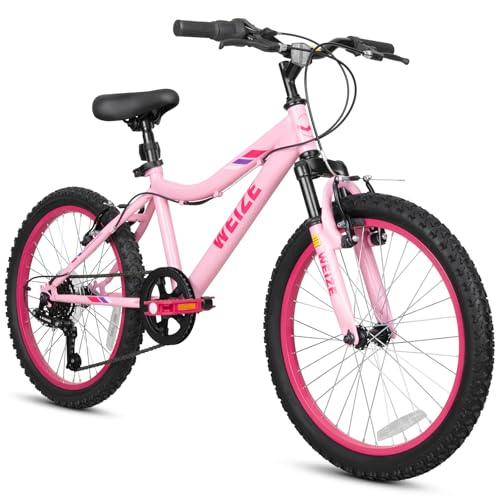
WEIZE 24 inch Mountain Bike Trail MTB Bicycle

SEREED Baby Balance Bike for 1 Year Old

SEREED Toddler Balance Bike 2 Year Old Adjustable

Umatoll Tricycle for Toddlers 2-5 Year Old

Schwinn Elm 12-Inch Bike for Kids Ages 3-5
A Closer Look At Each Pick
Small riders learning to pedal get a clear starting point here. The 14-inch size targets heights from 35.4 to 41.3 inches, a range that suits many 3 to 5 year olds who can already sit and steer. Training wheels add support during those first wobbly laps around a driveway.
A coaster brake, meaning braking by pedaling backward, pairs with a hand lever sized for smaller hands. That dual setup gives two ways to slow down. For most paved paths, the 2.125-inch tires soften small bumps without feeling bulky.
What Works In Its Favor
- Two brake types support early stopping practice
- Seat adjusts 3 inches without tools
- Enclosed chain guard keeps clothing clear
- Training wheels included for balance support
Things To Consider
- Height range ends at 41.3 inches, so growth is limited
- Rigid fork offers less cushioning on rough ground
Compared with the 14-inch WEIZE model, this 20-inch version drops training wheels and adds a kickstand. Riders from 48 to 62 inches tall who already balance on their own fit the intended stage. Height remains the better guide than age alone.
The seat moves 5 inches without tools, which helps the bike last through a growth spurt. A hand brake plus coaster brake gives familiar stopping choices. On neighborhood streets, wide 2.125-inch tires smooth out cracks and small bumps.
Points In Its Favor
- 5-inch tool-free seat adjustment aids longer use
- Kickstand makes parking between rides easier
- Enclosed chain guard protects loose clothing
Worth Noting
- No training wheels, so balance skills must already exist
- Rigid suspension suits paved roads more than trails
- Steel frame adds weight for smaller riders to lift
Who It Suits Best
Independent riders aged roughly 7 to 13 who ride mainly on paved streets and park paths.
Where Another Pick Suits Better
WEIZE 24 inch Mountain Bike Trail MTB Bicycle suits older riders who want front suspension for uneven ground.
Trail use changes the priorities, and this model answers that shift. A front suspension fork, meaning a fork that absorbs some impact, helps on bumpy ground where rigid models feel harsh. The 24-inch size targets riders 54 to 66 inches tall, roughly ages 8 to 14.
Front and rear caliper brakes give responsive stopping on wet or steep sections. The saddle adjusts from 69 to 84 cm, so fit can follow growth. In our view, that range matters more than a long feature list for a growing teen.
Useful Touches
- Suspension fork reduces vibration on uneven terrain
- Dual caliper brakes support controlled stopping
- Adjustable saddle adapts across growth stages
- 85% pre-assembly shortens setup time
Trade Offs
- Mountain design suits older, taller riders only
- Suspension adds complexity for simple neighborhood rides
For a first birthday gift, scale matters more than speed. This balance bike targets 12 to 24 months and weighs only 1.6 kg, so a toddler can push it without help. No pedals means feet stay on the ground for steering practice.
Closed wheels reduce the chance of feet getting caught, and a 135-degree turning limit helps prevent tipping. The aluminum alloy frame stays light for carrying between rooms. Indoor floors stay protected by non-slip wheels.
Strengths Worth Knowing
- Lightweight frame supports early independence
- Closed wheels reduce foot-catching risk
- Turning limit helps prevent tipping
- Non-slip wheels suit indoor play
Minor Gripes
- Age window ends at 24 months
- No seat adjustment for longer growth
Older toddlers need more adjustment than the baby model above. Seat height moves from 12.6 to 17.1 inches and handlebars from 19.6 to 22.5 inches, both without tools. That range helps the bike fit ages 2 to 3 as legs grow.
EVA foam tires, meaning solid foam tires that do not need air, stay quiet indoors and grip outdoors. The carbon steel frame supports up to 110 lbs. At 7.8 lbs, the bike still fits in a car trunk for park trips.
Good Reasons To Consider
- Quick-release adjustments fit growing toddlers
- Airless tires avoid flat tires
- Sturdy frame supports repeated use
Room For Improvement
- Heavier than the baby balance bike at 7.8 lbs
- No pedals, so it cannot replace a pedal bike
Made For
Toddlers aged 2 to 3 who need balance practice before pedals.
Consider Something Else When
SEREED Baby Balance Bike for 1 Year Old suits younger toddlers who need a lighter frame.
Three wheels change the learning curve completely. Extended rear wheels and a wide wheelbase help prevent tipping while a child learns to pedal. The 2-position seat adapts for ages 2 to 5, covering a longer span than most trikes.
Front and rear baskets let a child carry toys on yard rides. Rear wheels light up with movement and need no batteries. For most backyards, that small detail keeps interest high during practice.
Noteworthy Benefits
- Wide wheelbase improves stability while pedaling
- Dual removable baskets add carrying space
- Light-up wheels add fun without batteries
- Carbon steel frame supports growing riders
Points To Note
- Three wheels do not teach two-wheel balance
- Age range ends at 5 years
Smaller than the 14-inch WEIZE model, this 12-inch bike targets ages 3 to 5 at the lower end of the range. A low step-over frame helps small riders mount without a boost. Kid-sized grips and pedals match short arms and feet.
Training wheels come included and remove without tools for the next stage. A coaster brake keeps stopping simple, and a chainguard covers the chain area. A handlebar basket gives a place for treasures on short rides.
A Strong Showing
- Low frame helps small riders mount easily
- Training wheels remove without tools
- Chainguard protects clothing and fingers
- Seat adjusts without tools as height grows
Softer Spots
- 12-inch size suits shorter riders only
- Single coaster brake offers fewer stopping options
What Matters Most Before Choosing Kid Bikes
Height Before Age
Height ranges on each listing give a tighter fit than age alone. A child near the top of a range will outgrow the bike sooner, while a child near the bottom gets more use from seat adjustment. Check inseam and saddle range together for a realistic window.
Brakes and Balance Stage
Coaster brakes suit riders who learn by pedaling backward, while hand brakes build finger strength for later riding. Balance bikes and trikes serve different stages, and neither replaces a pedal bike. Match the brake type to the skills already in place.
Terrain and Storage
Paved paths need less suspension, while mixed terrain benefits from wider tires or a front fork. Weight also matters for storage in a garage or apartment. A lighter frame helps with carrying up stairs and loading into a car.
Key Considerations Across These Picks
Common Shopping Slip Ups
Buying by age alone often leads to a frame that is too tall. Measuring height first avoids that trap. Skipping the brake check also causes trouble, because a child who cannot reach the lever cannot stop safely.
What The Higher Tier Buys
Higher tier models often add suspension, wider adjustment ranges, or lighter frame materials. Those additions pay off on trails or during long growth periods. Simple neighborhood riding rarely needs the extra complexity.
Frequently Asked Questions
What size kid bike fits a 4 year old?
Height decides the size more than age alone. A child between 35.4 and 41.3 inches fits a 14-inch wheel, while a shorter child may fit a 12-inch wheel better.
Do balance bikes help with learning to ride?
Balance bikes build steering and balance without pedals. That practice can make the move to a pedal bike smoother for many toddlers.
Are training wheels still useful?
Training wheels add support during early pedaling practice. They help with confidence, but they do not teach two-wheel balance on their own.
What brake type suits beginners?
Coaster brakes feel intuitive because stopping uses a familiar backward pedal motion. Hand brakes add a second option for building control over time.
How much seat adjustment matters?
Seat adjustment extends the useful life of a bike during growth. A 3 to 5 inch range can cover a full stage when height is checked at purchase.
Final Thoughts
Height, balance stage, and terrain point to the right choice faster than age alone. For a toddler, the SEREED models and Umatoll trike cover early practice. For first pedals, the Schwinn Elm 12-Inch Bike for Kids Ages 3-5 offers a low, approachable start, while taller riders move up to the 20 and 24 inch options.