
A helmet light keeps both hands free while a trail, jobsite, or night ride stays dark ahead. You need a different beam for trail running than for a motorcycle ride, and mounting changes the whole experience. Your choice depends on strap fit, beam width, and how the light switches on with gloves. The seven options below split cleanly between head-worn work lamps and helmet-mounted task lights.
Your Options, Compared

Headlamp Rechargeable 2PCS, 230° Wide Beam Head Lamp LED Motion Sensor

Streamlight 14307 Task Light White/Red/Blue/IR 76-Lumen Coyote
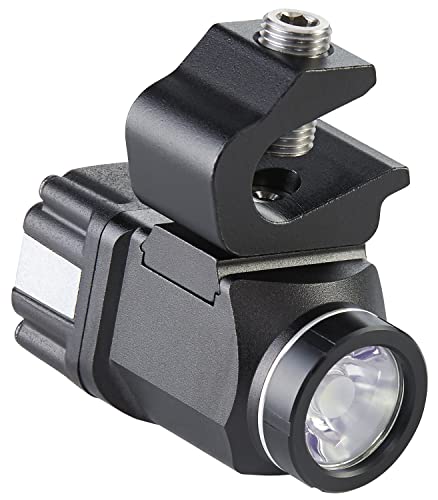
Streamlight 69331 Vantage II 350-Lumen Flashlight Black

LHKNL Headlamp Flashlight Lumen Bright LED Rechargeable Camping

Rechargeable Headlamp 3PCS, 230° LED Head Lamp Forehead
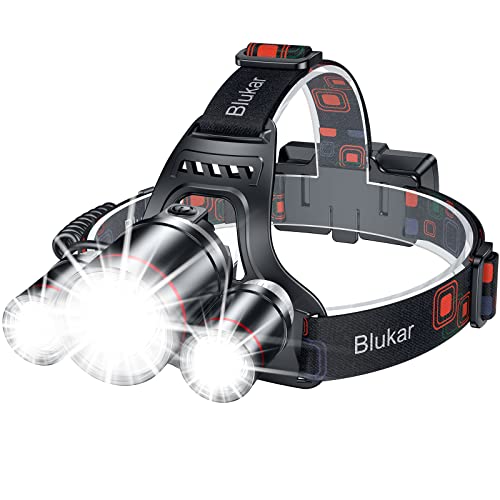
Blukar LED Headlamp Rechargeable Ultra Bright Headlight 3 Lights

Brake Free Helmet Light Smart Wireless Motorcycle Light Black
The Strengths Of Each Pick
You get a wide flood plus a focused spot in one lightweight unit, and the two-pack format suits shared use. A 230 degree flood covers peripheral vision so head movement stays minimal on a night hike. The separate XPE spot reaches about 150 feet for checking a trail marker or a distant gate. At 2.47 ounces, the silicone body stays light on a hard hat or forehead.
Motion control responds within 10 cm, which helps with gloves during repairs or cold-weather camping. Six modes cover COB high and low, XPE high and low, strobe, and sensor operation. IPX4 sealing handles splashing rain, and the elastic strap adjusts for adults and children. For most trail users, that sensor range feels practical during wet or cold trips.
What Pays Off
- 230 degree flood reduces head turning on trails
- 150 foot spot checks distant markers
- Motion sensor works with gloves on
- Two units support a partner or spare
- 2.47 ounce weight suits hard hats
Things To Consider
- IPX4 covers splashes, not immersion
- Sensor needs a clear 10 cm wave zone
A bendable stalk sets this Streamlight apart from strap headlamps. The 5.51 inch body can aim white, red, blue, green, or infrared light exactly at a map, panel, or repair point. Helmet mounting uses the included ARC rail hardware, and the polymer housing suits field work. Output tops out at 76 lumens, so this is a close-task light rather than a distance beam.
Single-cell power accepts CR123A or AA alkaline or lithium cells, which simplifies spares in a kit. You can carry AA cells as spares for long shifts away from charging. Runtime reaches 5 hours, and an identification strobe adds signaling options. In our view, the low output is the main trade-off for anyone expecting a bright trail beam.
What Makes Sense
- Bendable stalk aims light precisely
- ARC rail mount fits helmet platforms
- Multiple battery types simplify spares
- Infrared mode suits night vision gear
Worth Noting
- 76 lumens limits distance use
- 5.51 inch length needs helmet clearance
- Polymer body suits tasks, not wide trails
Fire and industrial crews get a low-profile light built for compatible helmets. The Vantage II delivers 350 lumens with 3,500 candela for close to mid-range tasks, a narrower focus than the wide flood on the Headlamp Rechargeable 2PCS. A rear-facing LED adds visibility from behind in smoke or dust. Glove-friendly switching keeps operation simple under stress.
You mount this light once and keep both hands available for tools, hose, or controls. Weather-sealed construction and an impact-resistant housing match jobsite conditions better than a soft strap lamp. Compact size limits bulk on the helmet during long shifts. Depending on helmet compatibility, that mounting check matters more than raw brightness.
Strong Points
- 350 lumens with focused 3,500 candela
- Rear LED improves rear visibility
- Glove-friendly switch for stress use
- Low profile reduces helmet bulk
Trade Offs
- Helmet compatibility must be checked first
- Focused beam covers less peripheral area
Who It Suits Best
Firefighters and industrial workers needing secure helmet mounting for close tasks.
Where Another Pick Suits Better
The Headlamp Rechargeable 2PCS suits trail users needing wide peripheral light.
A 1.87 ounce body and 60 degree tilt make this LHKNL model easy to wear for running or repairs. You tilt the lamp to aim at a trail or engine bay without loosening the strap. The 1500mAh rechargeable battery runs 4 to 10 hours depending on mode, and charging can continue while the light stays on. A battery indicator helps track remaining charge before a night shift.
Motion sensing switches the light on or off with a hand wave, useful with dirty or gloved hands. A long press turns the light off from any mode instead of cycling through every setting. IPX4 sealing covers rain and snow, and the elastic strap fits adults and children. The mode list feels long at first, yet main beam and red mode cover most daily tasks.
Practical Pluses
- 1.87 ounce weight suits running
- 4 to 10 hour runtime by mode
- Charge while light stays on
- Red mode and SOS strobe included
- Long press off saves cycling
Minor Gripes
- Eight modes add learning time
- IPX4 limits use to splashing water
- 60 degree tilt is narrower than 90 degree options
LHKNL Headlamp Flashlight Lumen Bright LED Rechargeable Camping
Three units in one kit suit a household, crew, or camping group better than a single lamp. Each headlamp combines a 230 degree COB flood with a side LED spot reaching nearly 300 feet. The 1200mAh built-in battery runs 2.5 to 8 hours, and USB-C charging takes 2 to 4 hours. At 2.47 ounces, the folding design fits a pocket or pack.
You can clip the strap to a hard hat with the included clips, which helps during work in low light. Five modes cover COB high and low, LED high and low, and strobe, plus a sensor mode for hand-wave control. IPX4 sealing handles splashing water. For most groups, having three charged units matters more than a single brighter lamp.
The Good Stuff
- Three lamps for groups or spares
- 12 hard hat clips included
- USB-C charging in 2 to 4 hours
- 230 degree flood plus long spot
Room For Improvement
- Built-in battery cannot be swapped
- Three cables need storage space
Zoom control distinguishes this Blukar model from the fixed wide beams above. Rotating the main lens shifts focus between flood and spot, and the head tilts 90 degrees for aiming up or down. T6 and XPE emitters provide main and side white light, plus a red main mode. A rear red light helps others notice the wearer in dark outdoor settings.
USB-C charging takes 5 hours for the built-in battery pack, and the sealed compartment supports IPX6 water resistance. You rotate the lens to narrow the beam for cycling or widen it for camping. The elastic strap can sit on the head or attach to a helmet for jogging, cycling, or repairs. Five modes include main, side, combined, flashing, and red.
What Helps Most
- Zoom shifts flood to spot focus
- 90 degree tilt aims beam flexibly
- IPX6 sealing suits heavier rain
- Rear red light aids visibility
- Helmet or head strap use
Points To Note
- 5 hour charge time is longer
- Built-in pack cannot be swapped
- Zoom lens needs a check for smooth rotation
Made For
Cyclists and campers who switch between wide and focused beams.
Consider Something Else When
The LHKNL Headlamp suits runners who prefer a lighter 1.87 ounce body.
Motorcycle riders get a rear-facing light rather than a forward headlamp. Brake Free mounts at eye level on the back of a helmet with 100 LEDs for visibility from behind. Internal sensors detect braking, downshifting, and engine braking without wiring or an app. A single button controls operation, and the shape stays lightweight and aerodynamic.
You charge through USB-C in 1.5 hours, and weatherproof construction handles rain, wind, and dust. Wireless mounting keeps installation simple compared with wired motorcycle lighting. The light adds rear visibility, yet it does not illuminate the road ahead. That distinction decides whether this belongs on a motorcycle helmet or a work helmet.
Benefits That Matter
- 100 LEDs at eye level rear
- Detects braking and downshifting
- No wiring or app needed
- USB-C charge in 1.5 hours
Softer Spots
- Rear light only, no forward beam
- Helmet rear surface must fit mount
What To Check Before Selecting A Helmet Light
Beam Shape And Spread
A wide flood helps on trails and in workshops because peripheral areas stay lit. A focused spot helps for distance checks, yet it narrows the view. Your route decides which shape earns a place in a pack.
Mounting And Fit
Strap lamps fit most heads and hard hats, while rail mounts need a compatible helmet shell. Weight matters during long wear, and a 1.87 ounce lamp feels different from a bulkier helmet unit. Check tilt range for aiming at work below eye level.
Power And Runtime
Rechargeable packs suit home charging, and disposable cells suit long field trips. Runtime depends on mode, so high output often shortens use. A battery indicator or spare cells reduces surprises on night shifts.
Extra Modes For Low Light
Red light helps preserve night vision during camping and repairs. Motion sensors help with gloves, and strobe modes suit signaling. Extra modes add value only when controls stay simple during use.
Key Considerations Across These Picks
Common Shopping Slip Ups
Shoppers often chase brightness numbers and ignore beam shape, mounting, and runtime. A bright spot can still leave side areas dark on a trail. Matching beam and mount to the task prevents most disappointment.
What The Higher Tier Buys
Higher tier models add helmet-specific mounts, sealed housings, and focused candela for jobsite use. That build suits professional wear and repeated impact. Recreational users often get more value from wide flood and rechargeable convenience.
Frequently Asked Questions
Does a helmet light work on a hard hat?
Many strap models adjust to hard hats, and some kits include clips for that purpose. Helmet rail mounts need a compatible shell and hardware.
Which beam suits trail running?
A wide flood suits trail running because side areas stay visible without head turns. A spot helps for distant markers, yet flood matters more for footing.
Can rechargeable models run while charging?
The LHKNL model can charge while the light stays on, which helps during work. Other built-in pack models need a full charge cycle between uses.
What water resistance level suits rain?
IPX4 handles splashing rain and snow for most outdoor use. IPX6 sealing suits heavier rain exposure and sealed compartments.
Is the Brake Free light a headlamp?
The Brake Free light faces rearward for motorcycle visibility from behind. Forward headlamps illuminate the path ahead, so the two types serve different roles.
Final Verdict
For trails and repairs, the wide flood models cover daily needs with light weight and simple controls. For jobsite helmet mounting, the Vantage II and stalk light fit professional tasks. You choose the beam and mount that match the main use, and the rest becomes a matter of runtime and fit.