
Cold wind on a morning commute makes bare hands ache within minutes, and numb fingers struggle with brake levers and shifters. You need gloves that block wind, keep grip steady, and still let you tap a phone at a stop light. Season matters first, because winter insulation and summer ventilation solve opposite problems for you.
The Shortlist At A Glance
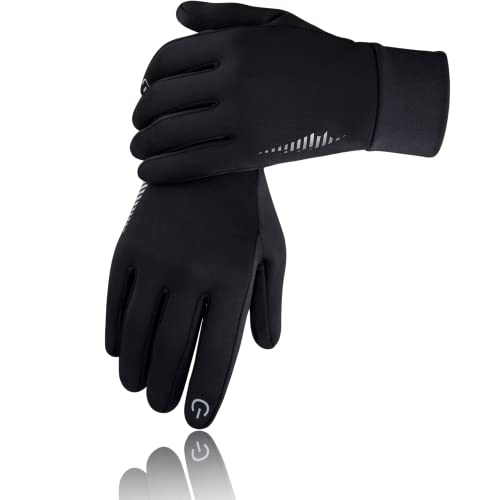
SIMARI Winter Gloves Touch Screen Thermal Liner
FanVince Running Thermal Touchscreen Lightweight Winter Gloves

Deemii Winter Gloves 3M Thinsulate Touch Screen

PEARL IZUMI Elite Gel Gloves Black LG

Fox Racing Ranger Mountain Bike Glove Black Medium

Aerynx Lightweight Running Winter Gloves X1
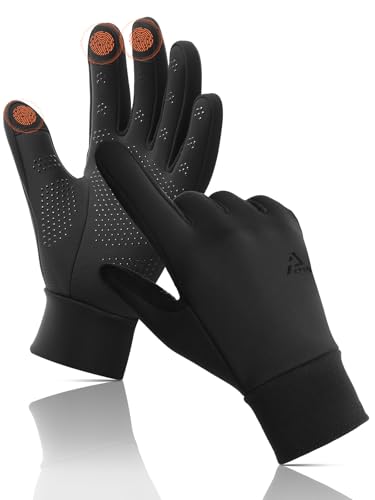
Aerynx Winter Gloves 3-Layers Liner Touch Screen
Why These Options Stand Out
Winter commuters who ride through frost get a straightforward package here. A flannel lining, elastic cuff, and polyester-spandex shell keep hands warm without a bulky ski-glove feel. Reflective patterns on the back add visibility on early morning roads.
Silicone particles across palm and fingers help hold handlebar grips and brake hoods through vibration. Touchscreen fingertips mean you can tap a phone or GPS panel without pulling gloves off at a stop. In our view, that mix suits short to medium rides in dry cold.
Strengths Worth Knowing
- Flannel lining traps warmth for cold commutes
- Silicone palm particles improve grip on bars
- Touchscreen fingertips work with phones and GPS
- Reflective back patterns aid night visibility
- Elastic cuff helps seal out chilly air
Things To Consider
- Machine washing is suggested in a laundry bag to protect lining
- Thin shell suits dry cold better than steady rain
Unlike the SIMARI pair, this option leans lighter for runners who also cycle. A thin polyester shell, thermal insulation, and fleece layer aim to block icy wind while keeping fingers flexible. That balance helps on brisk training runs where overheating matters.
A waterproof membrane between shell and fleece handles light moisture, and touchscreen thumb and forefinger tips keep phone use easy. You may find the fit runs slightly large, so sizing down is worth considering for women. Silica gel on the palm adds grip for cycling and driving.
Useful Highlights
- Lightweight shell stays flexible during runs
- Waterproof membrane helps with light rain
- Touchscreen thumb and forefinger tips
- Silica gel palm improves handlebar grip
Worth Noting
- Loose fit is common, check the size chart carefully
- Five sizes are offered, which can complicate sizing choice
- Lightweight build suits cool days more than deep winter
Who It Suits Best
Runners and cyclists who want a thin winter glove for cool weather training.
Where Another Pick Suits Better
Deemii Winter Gloves 3M Thinsulate Touch Screen suits riders who need stronger cold weather insulation.
Colder rides get more attention here than with the FanVince pair. 3M C40 insulation, a stretchable PU outer, and soft fleece lining form a dual layer aimed at warmth down to 23°F. Full finger movement stays a priority despite that insulation.
Silicone stripes cover palm and fingertips for a steadier hold on bars and steering wheels. Your hands stay covered for phone use through touchscreen PU on thumb and index fingertips. Elastic cuffs and a reflective logo help on early morning routes.
The Value In It
- 3M C40 insulation for colder conditions
- Silicone stripes across palm and fingertips
- Water-resistant outer for light rain and spray
- Elastic cuffs help block wind and snow
- Reflective logo aids low light visibility
Trade Offs
- Water-resistant, not suited to heavy rain or immersion
- Hand washing and low heat tumble drying are recommended
Warm weather changes the brief completely, and fingerless design takes over here. Premium 3D gel padding in the palm aims to cushion vibration while keeping a close connection to handlebars. Perforated gel adds ventilation for long summer rides.
An AX Suede Uno synthetic leather palm with four-way stretch shapes the fit, and an adjustable wrist closure keeps the glove secure on rough terrain. You get pull-off tabs for easy removal at trailheads. That focus suits mountain biking more than commuting.
Well-Handled Touches
- 3D gel padding reduces bulk at the palm
- Perforated gel supports airflow in heat
- Four-way stretch palm follows hand movement
- Adjustable wrist closure stays secure
- Pull-off tabs simplify removal
Minor Gripes
- Fingerless cut offers no protection in cold weather
- Machine wash cold, with no bleach or drip drying
Trail riders who want a lighter glove without gel bulk get a different angle here. A low-profile neoprene cuff with hook and loop closure lets you dial in fit at the wrist. That adjustable hold matters on descents where gloves can shift.
Conductive threads at index finger and thumb keep touchscreen use available, and an absorbent micro-suede thumb handles sweat during climbs. Your sizing choice matters, so checking the size guide before ordering helps avoid a loose fit. The design suits year-round trail use in mild conditions.
Everyday Advantages
- Neoprene cuff with hook and loop closure
- Absorbent micro-suede thumb for sweat
- Touchscreen threads on index and thumb
- Low-profile cuff reduces wrist bulk
Room For Improvement
- No gel padding for long road vibration
- Size guide check is needed for best fit
- Light construction offers limited cold weather warmth
Cool mornings around 41 to 59°F sit in the sweet spot for this pair. A stretch shell with 320 gsm fleece, which measures fabric weight and relates to warmth, delivers breathable comfort without feeling trapped. Four-way stretch gives a close fit for driving and cycling.
Conductive yarn on thumb, index, and middle fingers covers more touchscreen area than two-finger designs. You can text and check GPS while keeping gloves on during a commute. A silicone palm pattern helps hold bars and bottles, and an extended cuff blocks drafts.
The Upside
- 320 gsm fleece for cool weather warmth
- Three-finger touchscreen yarn coverage
- Silicone palm pattern for secure grip
- Water-repellent finish for light rain
- Extended cuff helps block drafts
Points To Note
- Water-repellent, not suited to heavy rain
- Colder temperatures call for use as a liner
Compared with the X1 version, this three-layer build adds a wind-blocking mid-layer between outer and 320 gsm fleece. That structure targets best use around 32 to 50°F, with a shell layer suggested under 25°F for extended outings. Warmth comes without the bulk of a heavy ski glove.
Conductive yarn on thumb, index, and middle fingers supports phones, tablets, and GPS. You can handle maps and messages on a commute while staying covered. A durable silicone palm gives a flexible grip for cycling, running, and driving.
A Few Highlights
- Three-layer build with wind-blocking mid-layer
- 320 gsm fleece interior for daily warmth
- Three-finger touchscreen yarn coverage
- Silicone palm for flexible grip
- Four-way stretch for second-skin fit
Softer Spots
- Water-repellent outer needs a shell in steady rain
- Under 25°F, layering with a shell is suggested
- Size ranges differ between men and women
Made For
Riders who commute in cold, dry winter weather and want layered warmth.
Consider Something Else When
PEARL IZUMI Elite Gel Gloves Black LG suits warm weather riders who need ventilation and gel padding.
What Matters Most Before Choosing Gloves For Biking
Warmth Versus Ventilation
Winter gloves use insulation and fleece to hold heat, while summer gloves use fingerless cuts and perforated padding to release heat. Your riding season should drive that split first. A commuter in January and a trail rider in July need opposite construction.
Grip And Control
Silicone patterns, silica gel, and gel pads each change how steady hands feel on bars. Thicker padding can cushion vibration, while thin silicone keeps lever feel direct. Match grip style to road vibration versus trail impacts.
Fit And Touchscreen Use
Touchscreen yarn or conductive threads on thumb and index fingers let you use a phone without removal. A snug cuff and four-way stretch help keep that contact aligned during movement. Check size charts closely, because a loose fit reduces both grip and touchscreen accuracy.
Weather Resistance
Water-resistant and water-repellent finishes handle light rain and road spray, not prolonged soaking. A waterproof membrane adds more protection for wet commutes. Heavy rain still calls for a shell layer over liner gloves.
Key Considerations Across These Picks
Mistakes Worth Dodging
Picking winter insulation for summer rides leads to sweaty hands and sloppy control. Ignoring size charts causes loose fits that weaken grip and touchscreen response. Treating water-repellent as waterproof leaves hands exposed in steady rain.
When Paying More Pays Off
Higher tier construction often brings gel padding, layered insulation, and tailored stretch patterns. That extra work helps on long rides where vibration and fit matter more. Short cool weather trips often do well with simpler fleece and silicone grip designs.
Frequently Asked Questions
Are touchscreen gloves useful for cycling?
Yes, touchscreen fingertips let you check maps or messages without removing gloves. Conductive yarn or threads on thumb and index fingers handle most phone tasks at a stop.
What temperature range suits winter cycling gloves?
Many winter pairs list specific ranges, such as 41 to 59°F for solo use or 32 to 50°F for layered builds. Colder rides often need an extra shell layer over a liner glove.
Do fingerless gloves help in warm weather?
Fingerless designs improve airflow and lever feel during summer rides. Gel padding in the palm can cushion vibration while ventilation keeps hands cooler.
Are water-resistant gloves enough for rain?
Water-resistant and water-repellent finishes handle light rain, snow, and road spray. Steady rain or prolonged wet exposure calls for a waterproof shell.
How should sizing be checked before ordering?
Use the size chart for hand measurements and note whether a model runs large. A snug fit supports grip, touchscreen accuracy, and warmth at the cuff.
Final Thoughts
Match season first, then grip and fit for your riding style. You will get the most from winter pairs with touchscreen control for commuting, and gel padded fingerless pairs for warm trail days. Pick the construction that fits your routes, and your hands will stay comfortable through more rides.