
A first ride often starts in a driveway, a quiet park path, or a living room with the sofa pushed back. The right size matters more than extra features, since a bike that is too tall or too heavy can turn early practice into frustration. You can narrow the choice by matching height, inseam, and stage, from a four-wheel scoot toy at 12 months to a pedal bike with training wheels at age 4 or 5. Your child’s current height gives a clearer guide than age alone.
A Quick View Of The Lineup

WEIZE 14 Inch Kids Bike for Boys Ages 3-5 Blue
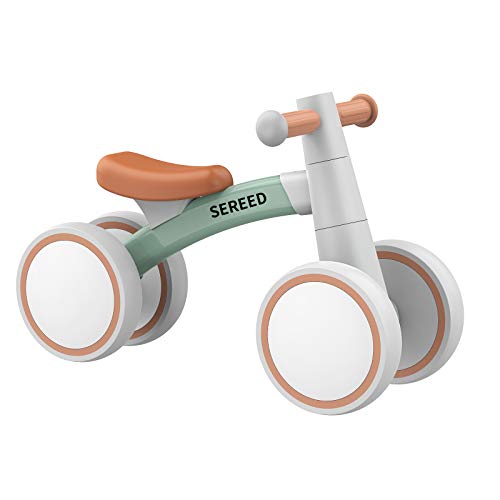
SEREED Baby Balance Bike for 1 Year Old

KRIDDO Toddler Balance Bike 2 Year Old Adjustable

JMMD 6 in 1 Toddler Bike with Push Handle
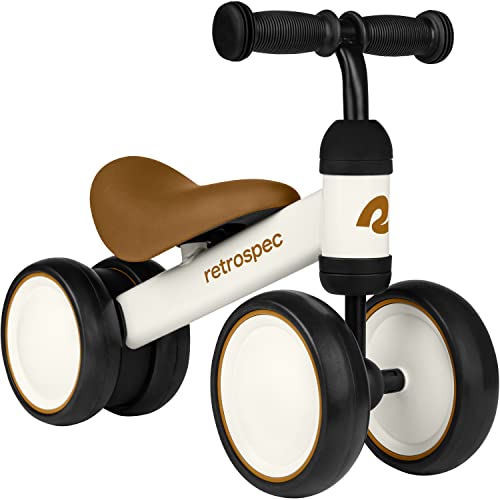
Retrospec Cricket Baby Balance Bike 4-Wheel Ride-On
RoyalBaby Freestyle Kids Bike Ages 3-10 Years
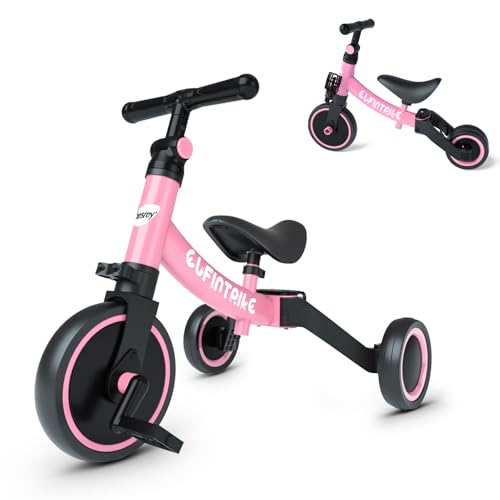
besrey 5 in 1 Toddler Bike for 1-4 Years Old
Meet The Standout Selections
For a child ready to pedal on paved paths, this 14-inch WEIZE model gives a clear next step after a balance stage. The height window of 35.4 to 41.3 inches helps match the bike to a specific child rather than a vague age label. A coaster brake, meaning stopping by pedaling backward, sits alongside a hand lever sized for smaller hands.
The seat moves 3 inches without tools, which helps during a growth spurt. Wide 2.125-inch tires soften small bumps on neighborhood streets, and the enclosed chain guard keeps loose clothing away from the chain. In most driveways, that mix feels steady for practice rides.
Practical Pluses
- Two braking methods support early stopping practice
- Tool-free seat adjustment simplifies fit changes
- Full chain guard adds protection during pedaling
- Training wheels included for balance support
- 85% pre-assembled setup reduces initial work
Things To Consider
- Steel frame adds weight for carrying up stairs
- Height range is narrow, so growth outpaces size quickly
At 12 to 24 months, a pedal-free scoot toy keeps focus on walking, steering, and balance. This SEREED model uses a 135-degree turning limit, meaning the front wheel cannot swing fully sideways. That limit reduces sudden sharp turns during indoor play.
Your toddler can push with feet while fully widened closed wheels keep small feet away from spokes. An aluminum alloy frame, a material valued for light weight, keeps the total at 3.6 pounds. For most living rooms, that lightness makes carrying to a play area simple.
Practical Advantages
- Closed wheels reduce foot-catching risk
- Steering limit steadies early turns
- Non-slip TPU handle grip aids small hands
- Light frame suits indoor and outdoor scooting
Worth Noting
- No pedals, so it covers only the pre-pedal stage
- Small size means a short usable window
Who It Suits Best
Early walkers aged 12 to 24 months who need a low, light indoor scoot toy.
Where Another Pick Suits Better
Retrospec Cricket Baby Balance Bike 4-Wheel Ride-On suits toddlers who need four-wheel stability on indoor floors.
Unlike the smaller SEREED model for 12 to 24 months, this KRIDDO balance bike targets ages 2 to 5 with a wider growth window. Both seat and handlebar adjust through a quick-release mechanism, which means fit changes happen in seconds. You can raise the saddle as legs lengthen without tools.
A carbon-steel frame supports up to 110 pounds, and extra-thick tires resist punctures on grass and sidewalks. A removable plate lets a child add stickers or drawings, adding a personal touch to park trips. Assuming flat pavement, the wide frame feels planted during scooting.
What Stands Out
- Adjustable seat and handlebar extend usable years
- Puncture-resistant tires handle mixed surfaces
- Soft PU seat and rubber grips improve comfort
- Customizable plate adds personalization
Trade Offs
- Sturdier frame is heavier than aluminum options
- No pedals for children ready to progress
- 110-pound limit still requires a height check
Conversion is the main appeal here, since one chassis moves from parent-push trike to tricycle, balance bike, and pedal bike. That range spans 18 to 60 months, which reduces the need to buy separate stages. Your child can progress gradually while the frame stays familiar.
A parent push handle rotates 135 degrees for steering control, and a 60-degree steering limiter prevents sudden turns. The chain-free gear drive, meaning power transfer without an exposed chain, keeps clothing clear. A one-button fold helps with car trunk storage on family outings.
Strengths Worth Knowing
- Six configurations cover 18 to 60 months
- Push handle gives parent steering control
- Foldable frame simplifies transport and storage
- Chain-free drive reduces clothing contact
- 95% pre-assembled arrival speeds setup
- Training wheels and kickstand aid transitions
Minor Gripes
- Mode changes require attaching parts like pedals
- 12-inch wheels suit smoother paths best
Four wheels change the experience for a 12-month-old, since tipping risk drops during early scooting. This Retrospec Cricket model keeps a low feet-to-floor shape, so a toddler can walk, scoot, and glide at a self-chosen pace. You can use it indoors without scratching floors, thanks to soft no-scratch tires.
Rounded components and a built-in steering limit help keep turns controlled. The stated inseam range of 9 to 13 inches gives a concrete fit check before purchase. At 95% assembled, setup stays brief for a first birthday gift.
Key Advantages
- Four-wheel base resists tipping
- Soft tires protect indoor floors
- Low design supports feet-to-floor scooting
- Lightweight carry suits park and playdate trips
Points To Note
- 44-pound limit and inseam range restrict fit
- Four wheels offer less balance practice than two
A BMX-inspired look gives this RoyalBaby Freestyle model a sporty shape for ages 3 to 10. Training wheels come with 12, 14, and 16-inch sizes, which helps a beginner learn pedaling. Your child can practice on paved paths with a steel frame and 2.4-inch wide tires.
Short-travel grips, meaning brake levers that need less squeeze distance, improve braking efficiency for small hands. Seat and handlebar adjust as height grows, and a water bottle adds a small ride accessory. Assembly arrives 95% complete with tools included.
What Works In Its Favor
- Training wheels included on smaller sizes
- Adjustable seat and handlebar for growth
- Sealed bearings support smooth pedaling
- Wide tires suit paved adventures
- 95% pre-assembled setup saves time
Small Caveats
- Steel frame weight affects carrying and storage
- Wide age span requires careful size selection
Made For
Children ages 3 and up who are ready for pedals on paved paths and parks.
Consider Something Else When
WEIZE 14 Inch Kids Bike for Boys Ages 3-5 Blue suits a child who needs both hand and coaster braking in a smaller frame.
Five riding modes in one frame aim to cover ages 1 to 4 without separate purchases. A curved carbon-steel frame with rounded edges buffers vibration, and widened fully enclosed wheels protect small feet. You can switch modes with quick-disassembly pedals for different stages.
A 70-degree steering limit reduces rollover risk during turns, while a soft PU saddle and rubber handlebar add comfort. Smooth rear-wheel bearings lower pedaling resistance. In a yard or garden, that combination supports longer practice sessions.
A Few Highlights
- Five modes span ages 1 to 4
- Enclosed wheels protect feet and clothing
- Steering limit steadies turning
- Soft saddle and anti-slip grips aid comfort
Honest Caveats
- Mode changes need manual-guided assembly steps
- Carbon-steel frame adds carrying weight
What Matters Most Before Choosing First Childrens Bikes
Height And Inseam Come First
Measure height and inseam before comparing models. A child who can place feet flat on the ground gains confidence during stops. Age labels vary, so a stated height window gives a firmer guide.
Balance Stage Versus Pedal Stage
Balance bikes build steering and coordination without pedals. Pedal bikes add propulsion and braking practice. Your child’s readiness for pedaling should drive the category choice.
Weight, Storage, And Surfaces
Check total weight for stairs, car trunks, and apartment storage. Tire width and wheel design affect grip on pavement, grass, and indoor floors. A foldable frame helps in small spaces.
Adjustability For Growth
Seat and handlebar adjustment ranges determine how long a model stays usable. Tool-free changes make fit checks quick between rides. Growth spurts make this detail practical.
Key Considerations Across These Picks
Common Shopping Slip Ups
Age alone often leads to a frame that is too tall. Height and inseam checks prevent that mistake. Ignoring weight also creates carrying problems later.
When Paying More Pays Off
Higher-tier frames often add adjustability, enclosed wheels, or convertible stages. Those features extend usable years. The upgrade makes sense for families wanting one model across stages.
Frequently Asked Questions
What size should a first bike be?
Height and inseam matter more than age. A child should reach the ground with feet flat for stable stops.
Balance bike or pedal bike first?
A balance model suits children still building steering skills. A pedal model fits children ready to practice pedaling and braking.
Are training wheels helpful?
Training wheels add side support during early pedaling. They suit paved paths where a child practices balance gradually.
Can one bike cover several ages?
Convertible models can span several stages. Adjustable seats and handlebars help extend fit during growth.
What should be checked before riding?
Brakes, fasteners, and seat height need a quick check. Proper fit also helps a child stop safely on pavement.
Final Thoughts
Match the model to height, stage, and daily surfaces first. A four-wheel scoot toy suits the earliest walkers, while pedal models suit ages 3 and up. You can pick with confidence by checking inseam, weight, and adjustability before deciding.