
A steep driveway, a loose gravel path, and a weekend trail all ask different things from an electric ride. You need torque for climbs, suspension for rough ground, and brakes that stay steady when speed builds. This roundup compares seven models built for dirt, commuting, and mixed terrain, with clear trade-offs for each. Matching motor output, battery size, and frame style to a real route matters more than chasing a single headline number.
A Quick View Of The Lineup

Rideplux Electric Dirt Bike 5000W Mid-Drive Motor (Orange)
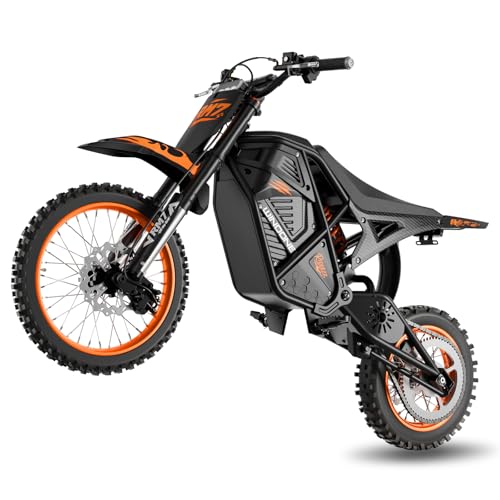
Windone RM7 Electric Dirt Bike 48V 22.5Ah 37MPH

Electric Dirt Bike 1500W Peak 48V 20AH Battery
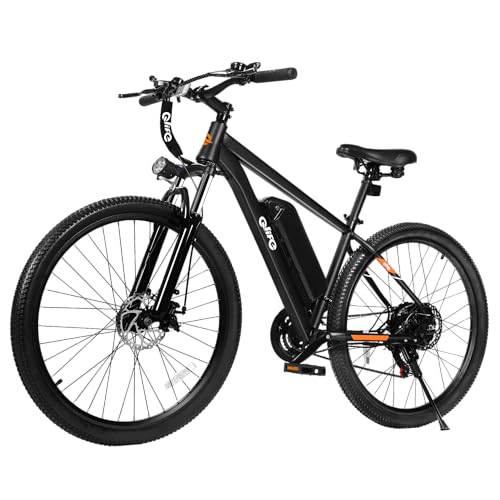
Qlife Racer Electric Bike 21-Speed 1000W Brushless Motor

FLIWIN Electric Bike 1500W Peak Motor 20 Fat Tire

TST Electric Bike 48V 15Ah 1500W Peak Motor Fat Tire

Yozma IN10 Electric Dirt Bike 40MPH 2600W
The Strengths Of Each Pick
Steep, technical trails call for torque delivered low and centered, and that describes this mid-drive setup. You get 220N·m at the rear wheel from a 5000W peak motor, with three speed modes for tight sections or open descents. A mid-drive motor sits near the bottom bracket and drives through the chain, which keeps weight centered compared with a rear hub motor.
The one-piece high-carbon steel frame removes weld seams, spreading impact loads across a single structure. Inverted hydraulic front forks and rear spring suspension handle heavy hits, while 19-inch front and 17-inch rear knobby tires grip dirt, gravel, and sand. Gyro assist adjusts from 15 to 60 degrees to help balance at low speed, a useful aid on rocky climbs.
Noteworthy Benefits
- 45-degree climb rating suits very steep trails
- Removable 48V 22.5Ah battery allows indoor charging
- Hydraulic disc brakes plus regenerative braking recover energy
- Dual-color 15W LED headlight aids dusty or foggy conditions
- Three speed modes match power to trail sections
Things To Consider
- Adult-focused sizing and power demand a careful fit check
- Local age and licensing rules need checking before riding
Teen and adult riders share this platform, with a stated fit range from 4.3 to 6.0 feet and a 265-pound load limit. The 48V 22.5Ah battery, about 1080Wh, is listed for 37 to 45 miles per charge, depending on load, speed, terrain, and temperature. That range claim sits below the Rideplux torque focus, trading extreme climbing for broader everyday use.
Dual hydraulic brakes front and rear give stronger, more sensitive stopping than mechanical brakes, which matters at 37 mph. You’ll notice the 14-inch front and 12-inch rear fat tires plus dual hydraulic front forks and a rear nitrogen gas shock smoothing rough ground. Overall size is 64.17 by 29.72 by 38.98 inches at 130 pounds, so storage space needs planning.
The Value In It
- 45-mile listed range supports longer mixed rides
- Hydraulic brakes improve stopping sensitivity
- Full suspension smooths bumpy trails and streets
- 21-inch saddle suits a wide height range
Worth Noting
- 130-pound weight makes lifting into a vehicle harder
- 6 to 7-hour charge time needs overnight planning
- Age 13-plus guidance requires adult attention for teens
Who It Suits Best
Teens over 13 and adults needing one shared size for trail and town riding.
Where Another Pick Suits Better
Electric Dirt Bike 1500W Peak 48V 20AH Battery suits lighter, simpler off-road starts.
Your first electric dirt bike should feel approachable, and the 80-pound frame weight here helps with handling and lifting. A 1500W peak motor reaches 32 mph and handles climbs up to 30 degrees, well below the Rideplux 45-degree rating. That lower ceiling keeps the ride calmer for newer riders.
The 48V 20Ah battery is listed for up to 50 miles, with a removable design and about 6-hour charging. An LCD display shows speed, battery level, mileage, and riding mode, while NFC start removes a physical key. Full disc brakes and dual spring shocks front and rear cover dirt, gravel, and wet ground.
Reasons It Performs
- 80-pound frame eases control and transport
- NFC keyless start simplifies daily use
- LCD display keeps ride data visible
- 50-mile listed range supports weekend exploration
Trade Offs
- Lower peak power than the Rideplux and Yozma models
- 30-degree climb limit narrows steep-trail use
Pedal-assisted mountain riding defines this choice, unlike the throttle-only dirt models above. A 21-speed gearset pairs with a 1000W peak brushless motor, and four modes include manual, pedal-assisted, pure electric, and walking assist. Walking assist helps push the bike up a steep section on foot.
You can remove the 48V 7.8Ah, 375Wh battery for charging, with about 4-hour charge time and listed range up to 25 miles on throttle or 40 miles in pedal-assist. At 48.1 pounds, the frame is far lighter than the Windone RM7, and dual front suspension plus 26 by 2.1-inch tires smooth commutes. The bike arrives about 90 percent assembled.
Notable Gains
- 21 speeds help match hills and flats
- Walking assist aids steep portage sections
- 48.1-pound weight eases stairs and storage
- LCD screen shows speed and assist level
- Removable battery with lock supports indoor charging
Minor Gripes
- Smaller 375Wh battery limits throttle-only range
- Mountain bike tires differ from knobby dirt tires
City streets and soft trails share the workload here, with 20-inch fat tires and a front suspension fork. The brushless motor peaks at 1500W, with top speed listed up to 30 mph, and a 20 mph limiter can be unlocked following the guide on the product page. Seven speeds let pedaling cadence adjust across terrain.
A removable 48V 16Ah battery is listed for up to 40 miles in pedal-assist mode, with about 5-hour charging. Dual mechanical disc brakes, an LCD display, and a bright LED headlight with brake-activated taillight cover mixed conditions. Arrival at 85 percent pre-assembled keeps setup short, in our view.
The Practical Payoff
- Fat tires add grip on sand and loose surfaces
- Removable battery supports home or office charging
- Three riding modes cover different routes
- LCD display shows speed, mileage, and battery
Room For Improvement
- Mechanical disc brakes feel less responsive than hydraulic systems
- Speed limiter needs unlocking for full listed speed
Made For
Adults mixing short commutes with weekend off-road paths.
Consider Something Else When
TST Electric Bike 48V 15Ah 1500W Peak Motor Fat Tire suits longer pedal-assisted rides.
Long, relaxed rides benefit from dual suspension and wide tires, and this model leans into that role. A 750W motor with 1500W peak power offers two to three speed settings for commuting and off-road paths. Front and rear suspension absorb bumps, reducing fatigue on rough pavement.
Your listed range reaches up to 60 miles in pedal-assist mode and up to 40 miles in throttle mode, from a removable 48V 15Ah battery with 6 to 7-hour charging. Twenty by 4-inch puncture-resistant tires add grip, while seven speeds and three working modes adjust to streets, mountains, and beaches. At 66 pounds with a 450-pound load limit, it stays manageable.
Bright Spots
- Dual suspension smooths long rides
- 60-mile pedal-assist range supports touring
- 66-pound weight aids lifting and storage
- LCD display tracks speed, distance, and battery
Points To Note
- Mechanical disc brakes need inspection before rides
- 90 percent pre-assembled still requires final setup
Speed-focused trail riding sits at the center of this design, with a 2600W peak mid-drive motor reaching 40 mph. Slopes up to 30 degrees are listed, matching the Tietie model and sitting below the Rideplux rating. You trade some steep-climb headroom for higher top speed.
A removable 48V 23.4Ah battery is listed for up to 53 miles, with a battery management system, called BMS, that monitors charge and discharge conditions. A 220mm-travel front hydraulic fork and rear nitrogen shock handle long, demanding rides. Hydraulic disc brakes pair with EABS, an electronic braking aid that adds controlled stopping force.
Good Reasons To Consider
- 40 mph top speed suits fast trail sections
- 53-mile listed range supports extended rides
- 220mm front travel absorbs heavy impacts
- EABS plus hydraulic brakes aid dusty terrain stops
- Removable battery simplifies indoor charging
Softer Spots
- Teen use requires adult supervision and local rule checks
- High speed demands careful brake and wheel checks
What Matters Most Before Choosing Electric Racing Bike
Motor Placement and Torque
Mid-drive motors place weight near the center and send power through the chain, which helps balance on climbs. Hub motors keep the design simpler and often suit flat commutes. Torque, measured in newton-meters, matters more than peak watts alone for steep starts.
Battery Size and Charging
Battery capacity in amp-hours and voltage shape range, while removable packs let charging happen indoors. A larger pack adds weight, so storage and lifting need checking. Charge time affects daily use, especially for commutes.
Suspension, Brakes, and Fit
Full suspension smooths rough ground, and hydraulic brakes respond faster than mechanical systems. Tire width and diameter change grip on sand, gravel, and mud. Frame weight and rider height range decide whether a model fits stairs, garages, and truck beds.
Pedal Assist Versus Throttle
Pedal-assist bikes with gears suit hills and longer routes, since pedaling extends range. Throttle-only dirt bikes suit short, technical trails where foot position matters. Your route mix should drive that choice.
Key Considerations Across These Picks
Common Shopping Slip Ups
Chasing top speed alone often leads to a bike that feels harsh on real trails. Checking climb rating, suspension travel, and brake type against a typical route prevents that mismatch. Storage dimensions and weight deserve a quick measure before ordering.
What The Higher Tier Buys
Higher-tier models add mid-drive torque, longer suspension travel, and larger batteries. Those upgrades help on steep climbs and long rides, not on short flat paths. Paying more makes sense when terrain regularly demands that extra capability.
Frequently Asked Questions
How much range should you expect from these batteries?
Listed range varies with rider weight, speed, terrain, and temperature. Pedal-assist mode usually extends distance compared with throttle-only riding. Treat the listed figure as a starting point for planning.
Are hydraulic brakes worth the upgrade?
Hydraulic brakes generally give stronger, more sensitive stopping than mechanical brakes. That difference matters at higher speeds and on long descents. Regular fluid and pad checks remain part of ownership.
Can a removable battery help with charging at home?
Yes, a removable pack lets charging happen indoors without moving the whole bike. That helps in apartments and garages with limited outlets. Locking the battery also adds security during storage.
What tire size suits sand and gravel?
Wider fat tires spread weight and grip loose surfaces better than narrow road tires. Smaller diameters can feel nimble, while larger diameters roll over obstacles more easily. Knobby tread patterns help on dirt and gravel.
Do teens need adult supervision on these models?
Several models list age 13 or older and call for adult supervision for younger riders. Local age and licensing rules also apply in many areas. Checking those rules before riding is a practical first step.
Final Thoughts
Match the model to terrain first, then check battery size and weight for daily handling. Steep trails favor the Rideplux, while longer mixed routes favor the TST or Windone. Your best fit will feel right for the paths you ride most often.