
A daily ride across town puts different demands on storage than a weekend trail loop. Commuters need quick access to a phone, keys, and a light jacket without a bulky load shifting on the back. You can narrow the choice by matching capacity, carry style, and weather protection to the length of your trip. Your route length and what you carry each day should drive the pick more than looks alone.
The Choices Worth Comparing

NDakter Bike Frame Bag 2L Waterproof Bicycle Triangle Bag

XEYOU Drawstring Backpack Bag Sport Gym Sackpack
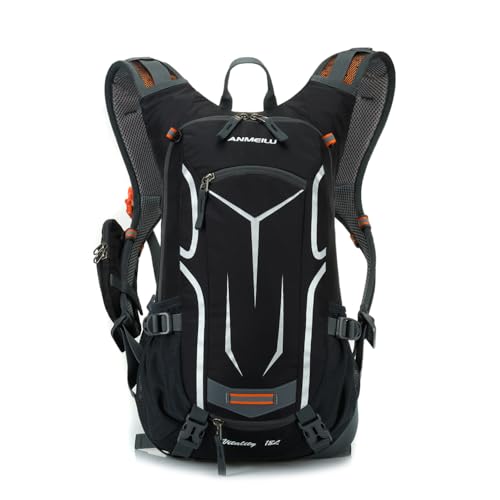
Outdoor Cycling Backpack Water Bag Backpack Mountain Hiking Grey

Thule Paramount Bike Commuter Backpack 20L Capacity

Hiking Daypack 15L Lightweight Waterproof Backpack

LOVEVOOK Laptop Backpack Women Giant Tumbler Holder 18 inch
Why These Options Stand Out
Unlike the backpacks later in this list, this frame bag keeps weight off the shoulders entirely. You get a slim triangle pouch that sits on the frame for short commutes where a full pack feels like overkill. The right-angle shape suits frames with a matching bracket, which makes fit a quick check before ordering.
Three adjustable straps hold the pouch steady on rough roads, and the wide zip opening gives fast access to tools or a phone. Reflective trim on both sides helps with night visibility, while the layered shell uses PU and polyester outside with 5mm foam in the middle for padding. On longer rides over 20 miles, the small volume becomes the main limit.
Real Benefits
- Frame mounting keeps the back clear on short rides
- Wide zip opening speeds access to small essentials
- Foam middle layer cushions contents against bumps
- Reflective trim supports night riding visibility
Things To Consider
- Right-angle shape needs a matching frame bracket
- Small volume suits essentials, not a full change of clothes
Compare this cinch sack to the NDakter frame bag and the trade-off is clear: shoulder carry instead of frame carry, with far more room for clothes and shoes. Your gym-to-work days benefit from the mix of a main compartment, a large front zip pocket, and two side pockets for a bottle or umbrella. Adjustable straps keep the load from hanging low on the back.
Water-resistant fabric helps with pool or light rain use, and a back zip pocket adds a place for valuables. The drawstring top opens fast but gives less structure than a zip-closed pack, so bulky items shift more during a ride. For most riders, that looseness is fine for soft gear and less ideal for a laptop.
Everyday Wins
- Multiple pockets separate shoes, bottle, and daily items
- Adjustable straps fit different torso lengths
- Lightweight fabric suits gym, swim, and short trips
Worth Noting
- Drawstring top offers less structure than zip closure
- Soft sack shape gives limited laptop protection
- Hand wash care adds a small maintenance step
Who It Suits Best
Best for gym-goers and casual riders carrying soft gear on short trips.
Where Another Pick Suits Better
Thule Paramount Bike Commuter Backpack 20L Capacity suits laptop commuters who need padded protection.
Trail riding changes the priorities, and this 18L pack answers with hydration and helmet storage rather than office organization. You can carry a 2L water bag with a routed tube for drinking while moving, plus a hidden net for a helmet when walking a section. That setup differs sharply from the XEYOU sack, which has no hydration routing.
Mesh-punched EVA, a foam type used for padding and airflow, covers the back and straps, with adjustable shoulder, chest, and waist straps for fit. Waterproof tear-resistant nylon, reflective strips, a phone case, and a rain cover round out the trail kit. In our view, the honest read is that city commuters gain more from laptop padding than from a hydration tube.
Benefits That Matter
- Hydration routing supports drinking on the move
- Hidden helmet net frees main space when walking
- Adjustable chest and waist straps stabilize load
- Rain cover and phone case protect gear in wet weather
- Reflective strips aid visibility on night trails
Trade Offs
- Hydration focus means less office-style organization
- 18L size feels large for very short urban hops
Office commuters get a different kind of support here: floating padded protection for a laptop up to 16 inches and a tablet up to 11 inches. The rolltop closure secures items and expands when a jacket joins the load, while an adjustable harness widens the fit range. Compare that to the Anmeilu trail pack and the focus shifts from hydration to device protection.
Sturdy 420D nylon, YKK zippers, a water-resistant finish, and a coated base add layers for daily wear. Four pockets and five compartments keep work gear sorted, and a taillight loop helps with low-light riding. You may find the 20.67-inch height feels tall on smaller frames, so checking torso fit matters before a long commute.
Practical Advantages
- Padded laptop and tablet protection for work days
- Rolltop closure expands for extra layers
- Adjustable harness improves fit across body types
- Coated base guards against ground moisture
Minor Gripes
- Tall profile needs a fit check for smaller riders
Your day rides and hikes sit in a middle range here, between the 18L Anmeilu pack and a small frame pouch. This 15L daypack uses five zip pockets, two waist pockets, mesh side pockets, and a center opening for a helmet. An insulated pocket keeps water cool for 2 to 4 hours, and room remains for a light jacket alongside a 3L hydration bladder.
Mesh padding, a honeycomb-textured back panel, and adjustable shoulder, chest, and waist straps spread the load. Reflective details, a glowing logo, and a chest whistle support visibility and signaling on trails. For most riders, the splash-proof ripstop fabric suits light rain rather than heavy downpours.
Useful Strengths
- Waist pockets keep small items within reach
- Insulated pocket helps keep drinks cool
- Lightweight build suits single-day activities
Room For Improvement
- Splash-proof fabric suits light rain only
- Hydration bladder is not included
Made For
Best for day hikers and MTB riders who want a light 15L carry.
Consider Something Else When
Outdoor Cycling Backpack Water Bag Backpack Mountain Hiking Grey suits riders who want a larger 18L trail load.
Campus and office loads push this option to the large end at 40L, far beyond the 20L Thule pack. Dual side pockets hold large tumblers, five compartments and 16 organizers separate work and personal items, and a padded sleeve fits laptops up to 18 inches. A luggage pass-through strap and hidden back pocket support travel days.
Thick padded breathable straps and wear-resistant water-resistant fabric help with heavy loads and light rain. You can slide the bag under an airplane seat at 19.3 x 16 x 7.9 inches, which suits personal-item travel. On a bike, that large footprint feels bulkier than the slimmer commuter packs, so route and load size deserve a check.
Useful Highlights
- Dual tumbler pockets keep large bottles secure
- Many organizers separate work and personal gear
- Padded sleeve fits laptops up to 18 inches
- Luggage pass-through helps with travel transfers
- Hidden pocket adds a place for valuables
Points To Note
- 40L volume feels bulky on a bicycle
- Large footprint suits campus more than fast rides
- Water-resistant fabric suits spills and light rain
What To Check Before Choosing a Cycle Commute Backpack
Capacity Matched To Route Length
Short hops under 30 minutes suit a frame bag or a light sack with room for essentials. Longer commutes with a laptop, lunch, and a jacket need 15L to 20L or more, depending on the load. Your daily load list should come first, since extra empty space shifts around during a ride.
Carry Style And Fit
Frame bags remove shoulder load but limit volume, while backpacks spread weight across straps and a back panel. Adjustable shoulder, chest, and waist straps help stabilize a load on rough roads. A tall pack needs a torso check, especially on smaller frames.
Weather Protection And Access
Water-resistant fabric, coated bases, and rain covers matter for wet commutes, yet none of these replace a dry bag for heavy rain. Quick-access pockets for a phone or keys reduce stops at lights. Reflective trim and a taillight loop add visibility on night routes.
Organization For Work Gear
Padded laptop sleeves protect devices during vibration and minor drops, while separate compartments keep cables and notebooks from rubbing together. Rolltop closures expand for extra layers, and drawstring tops open fast for soft gear. The right mix depends on whether the load is mostly electronics or mostly clothing.
Key Considerations Across These Picks
Common Shopping Slip Ups
Many shoppers size up without listing daily contents, then carry a half-empty pack that shifts. A quick load check against stated capacity and dimensions prevents that mismatch.
What The Higher Tier Buys
Higher-tier packs often add padded device protection, stronger zippers, and coated bases for daily wear. That extra spend pays off for laptop commuters riding in rain, while casual riders gain less from those upgrades.
Frequently Asked Questions
Which size works for a daily bike commute?
A 15L to 20L pack suits most work commutes with a laptop and essentials. Your load list should confirm the fit before ordering.
Does a frame bag replace a backpack?
A frame bag suits short rides with tools and a phone. It does not replace a backpack for clothes, lunch, or a laptop.
What matters for rainy rides?
Water-resistant fabric, a coated base, and a rain cover help in light rain. Heavy rain calls for extra protection inside the main compartment.
Can a hiking daypack work for cycling?
A 15L hiking daypack can work for day rides with hydration and helmet storage. Cycling-specific packs add hydration routing and helmet nets for trail use.
Which option fits a large laptop?
The LOVEVOOK pack fits laptops up to 18 inches, while the Thule pack fits up to 16 inches. Device size should be checked against the sleeve before choosing.
Final Verdict
For daily work rides, the Thule Paramount Bike Commuter Backpack 20L Capacity offers the clearest match for laptop protection and organization. Trail riders gain more from the Anmeilu 18L hydration design, and short-hop riders can start with the NDakter frame bag. Match capacity and carry style to the route, and the choice becomes straightforward.