
A steep hill on a weekend ride exposes the weight penalty of a heavy frame quickly. You carry that penalty on every climb, acceleration, and long stretch of open road. Carbon frames cut that burden while keeping the ride responsive for fitness and recreational cycling. Frame size, groupset type, and brake style separate these six options more than color or branding.
Your height and inseam matter most for the 44cm to 56cm range covered here. A groupset is the linked set of shifters, derailleurs, and chain that changes gears, and its type shapes how shifting feels on hills.
An Overview Of The Picks

SAVADECK Carbon Road Bike Shimano SORA R3000 18 Speed (Black 56cm)

SAVADECK Full Carbon Racing Bike Shimano R7120 24-Speed (Grey 44cm)

SAVADECK Carbon Road Bike Shimano 105 Di2 7170 24-Speed (Black Blue 52cm)

SAVADECK Full Carbon Road Bike Shimano 105 R7170 24S (Panda 56cm)
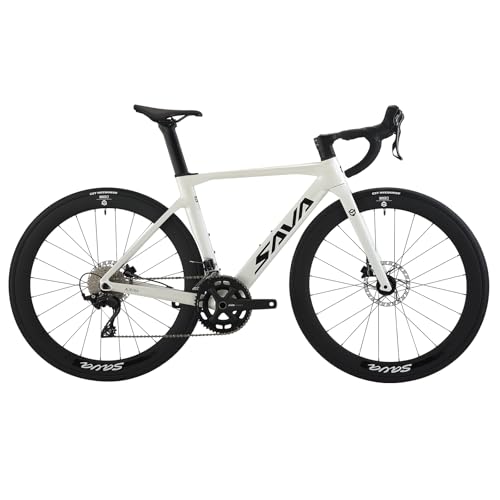
SAVADECK A7L Carbon Road Bike Shimano 105 R7100 24 Speed

SAVADECK Full Carbon Racing Bike A7L Pro 2026 R7120 24-Speed
A Deeper Look At The Lineup
The 56cm frame suits taller riders, and the 8.9kg weight keeps climbs and quick starts manageable. Shimano SORA 2×9 shifting gives 18 speeds through trigger shifters, a simpler setup than electronic systems on later picks.
Internal cable routing and a tapered head tube, meaning the front of the frame widens for stiffer steering, keep the front end tidy. You can start first rides without buying platform pedals, since a pair is included.
Everyday Wins
- T800 carbon frame, fork, and seat tube at 8.9kg
- 18-speed SORA groupset for straightforward gear changes
- 90% pre-assembled, about 15 minutes with basic tools
- 700x25C tires on alloy wheels for paved roads
Things To Consider
- V-brake style linear pull brakes differ from hydraulic discs on later picks
- Alloy wheels add weight compared with carbon wheelsets
SAVADECK Carbon Road Bike Shimano SORA R3000 18 Speed (Black 56cm)
Unlike the first pick, this 44cm model extends carbon to the wheelset, fork, and seat post, holding total weight at 8.9kg. That smaller frame size makes it a clear option for shorter riders who struggle to find carbon options in that range.
Shimano R7120 2×12 shifting pairs with hydraulic disc brakes, meaning brake levers use fluid pressure for stronger, steadier stopping. You pay attention to clipless pedal fit, since included pedals require compatible shoes rather than flat soles.
What Pays Off
- Full carbon frame, fork, wheels, and seat post at 8.9kg
- 24-speed R7120 shifting with R7100 derailleurs
- Hydraulic discs for consistent braking on descents
- 700x25C tires with anti-skid sidewalls for cornering grip
- Almost 90% pre-assembled for quick setup
Worth Noting
- 44cm size limits fit for taller riders
- Clipless pedals need matching cycling shoes
Who It Suits Best
Shorter riders and entry-level racers who want carbon wheels and disc brakes in a small frame.
Where Another Pick Suits Better
SAVADECK Carbon Road Bike Shimano SORA R3000 18 Speed (Black 56cm) suits taller riders who prefer simpler mechanical shifting.
Weight drops to 7.8kg here, thanks to a T1000 carbon frame, fork, seat tube, and carbon wheelset. The 52cm size sits between the 44cm and 56cm options, fitting a broad middle range of riders.
Shimano 105 Di2 means electronic shifting, where buttons move the derailleurs instead of cables pulling them. You shift with a light press rather than a lever pull, and the 2×12 setup covers steep climbs and fast flats. Hidden cables keep the cockpit clean, though battery charging becomes part of routine care.
Key Advantages
- T1000 carbon build at 7.8kg for climbing
- Electronic 105 Di2 24-speed shifting
- Carbon disc wheelset, 700C x 25C
Trade Offs
- Electronic shifting needs charging and battery checks
- Carbon wheels raise replacement cost later
- 52cm size will not fit very tall or very short riders
At 7.76kg, this 56cm build is the lightest in the lineup, with T1000 carbon used for frame, fork, handlebar, rims, and seat post. That broader carbon use explains the small weight edge over the previous pick despite the larger frame.
Hydraulic disc brakes use R7170 levers and calipers, giving stronger control in wet conditions than rim brakes. You benefit from that braking on long descents, where heat buildup matters more than on short city stops.
Well-Handled Touches
- T1000 carbon across frame, fork, bar, rims, and post
- 105 Di2 R7170 electronic 24-speed shifting
- Hydraulic disc brakes for wet-weather control
- Fully hidden cables for a clean cockpit
Small Caveats
- 56cm frame suits taller riders only
Made For
Taller riders focused on hill climbing and long road routes who want electronic shifting.
Consider Something Else When
SAVADECK A7L Carbon Road Bike Shimano 105 R7100 24 Speed suits riders who prefer mechanical shifting without battery care.
The A7L returns to T800 carbon at 8.9kg, with carbon fork, seatpost, and rims. Mechanical Shimano 105 R7100 shifting keeps gear changes cable-driven, which many riders find easier to adjust at home.
Hydraulic disc brakes and 700x25C carbon wheels bring modern braking and lighter rotating weight to a mechanical setup. You choose between mechanical simplicity and electronic precision here, and the trade-off comes down to maintenance preference rather than speed on flat roads.
A Strong Showing
- T800 carbon frame, fork, seatpost, and rims at 8.9kg
- Mechanical 105 24-speed shifting, no battery needed
- Hydraulic disc brakes for steady stopping
- 700x25C tires with anti-skid sides for grip
- 85% pre-assembled, about 15 minutes to finish
Points To Note
- Heavier than the T1000 electronic picks
- Clipless pedals require compatible shoes
- Mechanical cables need occasional adjustment
The A7L Pro uses T800 carbon for frame, fork, wheelset, handlebar, and seat post at 8.8kg. R7120 2×12 shifting with R7100 derailleurs gives 24 speeds, matching the mechanical 105 pick while adding hydraulic disc brakes as standard.
Fully internal routing and a tapered head tube keep steering stiff and the profile clean. You get clipless pedals included, so shoe compatibility becomes the main setup check before the first ride.
Useful Touches
- Full carbon build at 8.8kg
- R7120 24-speed shifting with hydraulic discs
- 90% pre-assembled for fast setup
Honest Caveats
- Clipless pedals need matching shoes
- Internal routing makes cable replacement more involved
What Matters Most Before Choosing Carbon Road Bike
Frame Size And Fit
Frame size changes reach and saddle height more than any other choice. The 44cm, 52cm, and 56cm options here cover shorter through taller riders, and a poor fit affects comfort on rides over an hour. You should measure inseam and compare it with the size chart on the product page before ordering.
Groupset And Braking
Mechanical shifting uses cables and needs occasional tuning, while electronic Di2 shifting uses buttons and a battery. Hydraulic discs provide steadier braking in rain than rim brakes, which matters on long descents. Riders who prefer simple home maintenance often choose mechanical, while riders who shift often under load often prefer electronic.
Weight And Wheels
Carbon wheels lower rotating weight, which riders notice during acceleration and hill starts. Alloy wheels cost less to replace and suit riders who prioritize simple ownership. T1000 carbon builds here weigh under 8kg, while T800 builds sit near 8.8 to 8.9kg, a gap that matters most on steep climbs.
Assembly And Ownership
Most picks arrive 85 to 90% assembled, needing handlebar, front wheel, seat post, and pedals fitted. Clipless pedals require matching shoes, and internal cables make later cable work more involved. Storage space matters too, since a full-size road bike needs wall or floor space at home.
Key Considerations Across These Picks
Common Shopping Slip Ups
Many shoppers focus on weight alone and skip frame size, then struggle with reach on longer rides. Checking inseam, pedal type, and brake preference before ordering prevents returns and extra parts.
When Paying More Pays Off
Higher tiers add carbon wheels, electronic shifting, and hydraulic brakes, which change climbing, shifting, and wet-weather braking. The upgrade pays off for riders logging regular hills or group rides, while beginners gain less from electronic shifting on flat routes.
Frequently Asked Questions
What frame size should most riders choose?
Frame size depends on height and inseam, not age or experience. The 52cm option fits a broad middle range, while 44cm and 56cm suit shorter and taller riders.
Are hydraulic disc brakes better than rim brakes?
Hydraulic discs give steadier stopping in wet conditions and on long descents. Rim brakes remain simpler to maintain and lighter in some setups.
Do carbon wheels make a noticeable difference?
Carbon wheels reduce rotating weight, which riders notice during acceleration and climbing. Alloy wheels remain a practical choice for riders who value lower replacement costs.
How long does assembly take on these bikes?
Most builds arrive 85 to 90% assembled and need about 15 minutes with basic tools. Handlebar, front wheel, seat post, and pedals are the usual parts to fit.
Is electronic shifting worth the extra care?
Electronic shifting gives precise gear changes with a light button press. Battery charging and internal routing add routine care that mechanical systems avoid.
Final Verdict
For new riders, the SAVADECK Carbon Road Bike Shimano SORA R3000 18 Speed (Black 56cm) offers a simple entry into carbon. Riders focused on climbing gain more from the T1000 electronic builds. You can match size, shifting, and braking to a riding style, and that match matters more than chasing the lowest weight alone.