Cold air finds cycling shoes fast on early morning rides. A toe cap or full overshoe blocks wind at the front where mesh panels let air straight through. You choose coverage based on how cold and wet routes get, plus how often shoes need to stay on. Your pick also depends on cleat access and whether walking to a cafe matters.
The Choices Worth Comparing

Castelli Toe Thingy 2 FW23 Black

CXWXC Cycling Shoe Covers Winter Thermal Bicycle Overshoes

GEWAGE Cycling Shoe Covers Warm Windproof Overshoes Large Black
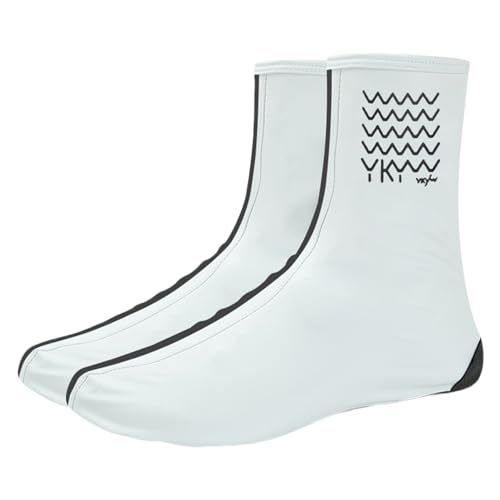
YKYWBIKE Waterproof Cycling Shoe Cover with Zipper

SPATZWEAR Windsock2 UCI Legal Aero Oversocks Full Black M

INBIKE Cycling Shoe Covers Windproof Waterproof Zipper
The Details Behind The Selections
A toe-only cap suits riders who want wind blocked at the front without covering the whole shoe. You get a slip-on neoprene piece at 2.2oz, so it stays light in a jersey pocket and leaves the ankle open on warmer days. That narrow coverage keeps ventilation around the midfoot, unlike a full overshoe.
The rubberized sole section helps with short walks off the bike, and the black color blends with most road shoes. In our view, this format works for shoulder season rides where full coverage feels like too much. It also avoids zipper fuss at the heel, which speeds up a quick stop.
Useful Strengths
- Windproof neoprene blocks cold air at the toe box
- Slip-on design fits over the shoe front in seconds
- 2.2oz weight packs flat for spare kit storage
- Rubberized sole adds grip for cafe stops
Things To Consider
- Toe-only coverage leaves ankles and sides exposed in rain
- One size format needs a fit check against shoe length
Left and right shaping sets this toe cover apart from the Castelli cap above, which uses a single slip-on form. You slide the neoprene front over the shoe tip and the cleat area helps hold position during pedaling. Nylon on the upper and neoprene rubber underneath aim to balance wind resistance with grip.
Silicone elements help the cover stay put, and reinforced seams target wear during walking. Depending on route length, a toe-only layer suits brisk winter spins rather than long soaking commutes. Nothing flashy here, but the shaped fit feels more deliberate than a generic sleeve.
Advantages To Know
- Left and right markings improve toe fit alignment
- Neoprene construction adds thermal protection for winter
- Silicone grip helps keep the cover in place
- Reinforced seams support walking between bike and cafe
Worth Noting
- Toe coverage only, so full rain protection needs another layer
- Buckle closure type differs from slip-on designs and needs adjustment
- Fit check matters for larger cycling shoes before winter use
Who It Suits Best
Casual winter riders who want toe warmth without a full overshoe.
Where Another Pick Suits Better
GEWAGE Cycling Shoe Covers Warm Windproof Overshoes Large Black suits commuters who need full foot coverage in wet weather.
Full coverage changes the equation compared with the two toe caps before it, because the whole shoe gets a wind and water resistant shell. You pull the elastic fabric over road, gravel, or MTB shoes, with generous openings for cleats and heels. A rear zipper plus hook-and-loop closure makes removal quick at the door.
Kevlar paneling on the bottom targets scuffs from walking, and reflective stripes at the rear plus logos on the sides help with low light visibility. The honest read is that this is a commuter focused choice, not a race layer. Folding flat for a bag also helps on rides where weather shifts mid route.
The Helpful Details
- Full neoprene shell shields the entire shoe from wind
- Rear zipper and elastic cuff speed up on and off
- Reflective rear stripes aid visibility in low light
- Kevlar bottom paneling resists scuffs while walking
- Lightweight build folds into pockets or bike bags
Trade Offs
- Full coverage traps more heat on milder days
- Large size selection needs checking against shoe length
Waterproof PU material puts rain protection ahead of deep winter warmth here. You get a rear SBS zipper for quick entry, plus a zipper cover that helps stop accidental sliding. Reflective elements on the front and outer sides support night riding visibility.
Thickened fabric at toe and heel reduces friction during walking, and the listed weight under 150g rolls into a small bundle for a cycling bag. Assuming a standard road shoe, the elastic bottom band stretches to fit most types. That packable angle differs from the heavier neoprene full cover before it.
A Favorable Mix
- Waterproof PU blocks rain and road splash
- Rear zipper allows fast on and off
- Under 150g weight rolls small for storage
- Reflective front and side details aid low light
Minor Gripes
- Recommended range of 50 to 60F limits deep winter use
- Size choice by shoe length needs care before ordering
- PU shell offers less thermal insulation than neoprene
Race focus separates this oversock from the commuter and rain covers above, with a sleek fit aimed at time trial use. You get windproof and waterproof materials in a 100% polyester build, plus dual leg grippers and silicone heel grips to hold position. A Velcro fastener behind the cleat interface helps tune the snug fit.
Kevlar toe protection targets nicks and tears during intense rides, and the design meets UCI race regulations for sanctioned events. For most riders outside racing, that aero shaping is more than needed. It makes sense for riders chasing speed rather than warmth alone.
Strengths Worth Knowing
- Aero optimized fit meets UCI race regulations
- Windproof and waterproof materials for all weather
- Dual leg grippers keep oversocks secure at speed
- Kevlar toe area resists nicks and tears
Room For Improvement
- Race oriented fit suits a narrow group of riders
- Hand wash care adds upkeep compared with machine wash options
- Full Black M sizing needs a careful fit check
Made For
Competitive riders who need a sleek, regulation friendly oversock for events.
Consider Something Else When
INBIKE Cycling Shoe Covers Windproof Waterproof Zipper suits riders who want everyday weather coverage without a race fit.
Stretch PU fabric blended with Lycra gives a closer fit than the looser neoprene overshoe earlier in the list. You get a waterproof zipper at the heel, heel pull tabs, and a bottom hook-and-loop closure for secure fastening. Full coverage helps block cold wind and moisture on commutes and gravel rides.
Reinforced toe and heel areas reduce friction during walking, and carbon black reflective logos help in low visibility. The cut hugs the foot without feeling restrictive, which matters on longer rides. That balance of stretch and sealing makes this a flexible everyday option.
Positive Points
- Waterproof fabric and zipper block rain and slush
- Stretch PU fits most cycling shoe styles
- Reinforced toe and heel resist walking friction
- Reflective logos aid visibility in low light
Points To Note
- Medium size range of 6.5 to 8 US needs verification
- Snug stretch fit may feel tight on wide shoes
Coverage, Fit, And Weather Trade-Offs To Weigh
Toe Caps Versus Full Overshoes
Toe caps block wind at the front and keep airflow around the ankle. Full overshoes seal the whole shoe for colder, wetter rides. You match coverage to route conditions, because extra layers trap heat on mild days.
Cleat Access And Walking
Cleat openings must line up with shoe hardware, or pedaling feels awkward. Reinforced soles and toe areas help during short walks. Check opening size before committing to a size.
Materials And Care
Neoprene adds thermal insulation, while PU shells focus on waterproofing. Polyester aero builds prioritize fit and speed. Care instructions differ, so hand wash versus machine wash matters for routine upkeep.
Size And Storage
Shoe length and width change how a cover sits, especially with stretch fabrics. Pack weight and folded size affect whether a cover fits in a jersey pocket or bag. Measure shoes and compare the listed size range.
Extra Context Before You Decide
Common Shopping Slip Ups
Picking a toe cap for a soaking commute leaves ankles exposed. Ignoring cleat opening size causes poor fit. Checking size range against shoe length avoids returns.
What The Higher Tier Buys
Higher tier builds add aero shaping, regulation friendly fit, and reinforced toe protection. Those details help racers and frequent riders. Everyday riders often gain more from correct coverage and size.
Frequently Asked Questions
Do toe caps work for winter riding?
Toe caps block wind at the front of the shoe for cool, dry winter rides. Full overshoes suit colder or wetter conditions with more coverage.
Can full overshoes fit road and MTB shoes?
Many full designs include generous cleat and heel openings for road, gravel, and MTB shoes. You still need to check opening size against specific shoe models.
Are reflective details useful for night rides?
Reflective stripes and logos help other road users spot shoes in low light. Placement at the rear and sides makes movement more visible.
Which material suits rain best?
Waterproof PU and sealed zipper designs focus on rain and splash protection. Neoprene focuses more on wind and thermal insulation.
How should size be checked?
Compare shoe length to the listed size range for each cover. Stretch fabrics help, but wide shoes may need the larger option.
Wrap Up
Cold toes end rides early, so coverage choice matters more than color. Toe caps suit mild winter days, full overshoes suit wet commutes, and aero oversocks suit racing. Match material, fit, and size to routes ridden most often, and the right layer becomes clear.