
Warm pavement, a quick dip, and a long ride home leave feet searching for airflow that closed shoes cannot provide. Cycling sandals solve that tension by pairing an open upper with a sole shaped for pedaling, while water-ready models add drainage for wet ground. The split matters here: clipless sandals lock onto compatible pedals for efficiency, and flat sandals suit casual spins without cleats. Pedal type comes first, then heat, then how much walking the route includes.
The Essentials At A Glance

KEEN Men’s Newport H2 Water Sandals Black 11 US

HUMTTO Men’s Amphibious Water Shoes Hiking Sandals Black 10.5
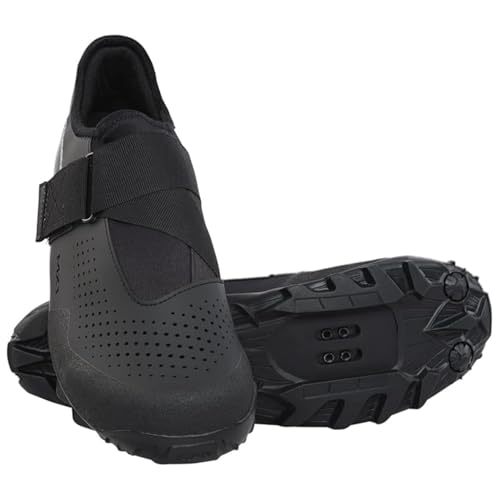
Shimano SH-MX100 Multi-Use Off-Road Cycling Shoe Black EU 40

Unisex Road Bike Cycling Shoes Peloton SPD White-Pink M8

Exustar E-SS503 Bike Sandal Black 39/40 Euro

SHIMANO SH-SD501 Men’s SPD Sandal Black EU 44
Why These Options Stand Out
Rocky creek crossings and boat decks call for toe coverage more than airflow alone. This closed-toe design wraps the forefoot in synthetic straps, with a rubber bumper up front. You get protection plus a sandal that stays on during wet scrambles, not a slide that floats away.
The bungee lace lock tightens in seconds, and the multi-directional lugs with siping channels, meaning narrow grooves in the tread, bite on slick stone. A roomy forefoot lets toes spread, and the fixed footbed adds arch support for long walks after a swim.
Where It Helps
- Toe bumper guards against rocks and dock edges
- Bungee closure slips on and off quickly
- Non-marking rubber outsole suits indoor and boat use
- Machine washable for muddy, salty days
- Arch support suits longer walking stretches
Things To Consider
- No cleat system, so pedaling power transfer stays casual
- Closed forefoot runs warmer than open-toe sandals
Beach-to-trail days need drainage first and structure second. This amphibious sandal uses a lightweight mesh upper and 12 drainage holes in the sole, so water exits instead of pooling. Unlike the KEEN model above, the focus here stays on quick drying rather than a rigid toe bumper.
EVA, a foam midsole material, sits under a memory foam insole for cushioning on pavement and sand. An elastic upper stretches to fit, and a rubber toe cap adds a layer of protection on rocks. In our view, the trade-off is a softer, less locked-in feel than a bungee system.
Standout Benefits
- Drainage holes clear water fast after crossings
- Mesh upper dries quickly in summer heat
- Memory foam insole cushions long beach walks
- Elastic closure adapts to different foot shapes
Worth Noting
- Elastic fit offers less precise tightening than lace locks
Who It Suits Best
Summer hikers and beachgoers who prioritize drainage and light weight over rigid support.
Where Another Pick Suits Better
KEEN Men’s Newport H2 Water Sandals Black 11 US suits rocky water entries where toe protection matters more.
Off-road rides often end with a hike-a-bike section, and a stiff road shoe makes that awkward. This model bridges the gap with a grippy rubber sole that walks well and a cleat area for SPD, the two-hole clip-in system used on many trail pedals. You’ll clip in for the climb, then walk the loose descent without swapping shoes.
Synthetic leather and mesh form the upper, balancing durability with airflow. A single hook-and-loop strap gives a snug fit in one motion. Compared with the open sandals earlier, this closed shoe suits cooler days and muddy trails where protection counts more than ventilation.
Positive Points
- Rubber sole grips during walking sections
- SPD cleat compatibility suits trail pedal setups
- Single strap adjusts quickly before a ride
Trade Offs
- Closed upper traps more heat than open sandals
- Basic insole offers moderate cushioning only
Indoor cycling classes punish stiff, heavy shoes during long sessions. This road shoe uses a knit mesh upper for airflow and three hook-and-loop straps for a dialed-in fit. Delta cleats come pre-installed, so setup starts closer to ride-ready than many options that sell cleats separately.
The carbon nylon outsole stays firm under power, with arch support that eases pressure on longer efforts. Compatibility spans Delta, SPD, and SPD-SL pedal systems, which helps riders who switch between studio and outdoor bikes. One thing worth considering: a firm road sole feels awkward for walking, unlike the Shimano trail shoe above.
The Practical Payoff
- Pre-installed Delta cleats simplify first setup
- Knit mesh upper keeps feet cooler indoors
- Three straps fine-tune fit across the foot
- Carbon nylon outsole holds shape under pedaling
- Broad pedal compatibility covers studio and road use
Minor Gripes
- Road sole offers little grip for walking
- Closed upper suits dry rides, not wet trails
- Fit depends on measuring against the size chart
Made For
Indoor cyclists and road riders starting with Delta or SPD pedal systems.
Consider Something Else When
Shimano SH-MX100 Multi-Use Off-Road Cycling Shoe Black EU 40 suits mixed ride-and-walk routes better.
Hot touring days call for open toes and a sandal that still clips in. This design pairs polyurethane leather with neoprene, a stretchy synthetic material, for a snug wrap around the foot. Your feet stay ventilated while three straps lock the sandal down for pedaling.
The molded EVA and rubber sole uses a stiffened construction, meaning it resists bending under power, with a recessed cleat cover for walking. At 820 grams per pair, the weight stays moderate for touring. Compared with the Shimano sandal later, this one leans more toward performance touring than casual cruising.
What Helps Most
- Open toe maximizes airflow on warm rides
- Three straps improve fit and stability
Points To Note
- SPD compatibility limits pedal choices to that system
- Stiff sole feels less flexible for casual walking
Casual warm-weather rides benefit from a sandal that clips in yet feels relaxed at a café stop. This clipless sandal, meaning it connects directly to the pedal, uses a synthetic leather upper with a comfort liner for sockless wear. Dual hook-and-loop straps wrap the foot snugly without pressure points.
The wide rubber sole has high grip and a recessed cleat, so walking on pavement stays confident. SPD two-hole compatibility keeps pedaling efficient for town rides. For most riders, the honest read is that this suits relaxed cruising more than aggressive training, unlike the stiffer Exustar touring sandal.
A Favorable Mix
- Comfort liner supports sockless wear in heat
- Recessed cleat keeps walking traction intact
- Dual straps secure fit without lace fuss
- Wide rubber sole adds stability off the bike
Small Caveats
- Not water resistant, so rain rides stay limited
What Matters Most Before Choosing Biking Sandals
Pedal System First
Matching cleat type prevents a mismatch that leaves a sandal unusable on a bike. SPD uses two bolts, Delta uses three, and flat pedals need no cleat at all. You save time by confirming pedal type before comparing straps or materials.
Heat Versus Protection
Open toes ventilate well on hot tours, while closed toes guard against rocks and debris on trails. Water-ready models add drainage holes and quick-dry uppers for wet routes. The right balance depends on typical weather and terrain, not on looks alone.
Walking After the Ride
Recessed cleats and rubber lugs help on pavement, while stiff road soles feel clumsy off the bike. Touring riders who stop often gain more from walkability than from a rigid platform. Check sole design against the amount of walking in a normal route.
Key Considerations Across These Picks
Common Shopping Slip Ups
Many shoppers pick a sandal by color or open-toe style, then discover the cleat pattern does not match existing pedals. Measuring foot length against the size chart also matters, since European and US sizing can shift fit. A quick pedal check avoids the most common return reason.
What The Higher Tier Buys
Higher-tier models often add a comfort liner, recessed cleat protection, or a stiffer sole for efficient pedaling. Those details help riders who spend long hours clipped in or walk frequently in sandals. Casual short rides gain less from the upgrade, so match the tier to ride length.
Frequently Asked Questions
Do biking sandals work with regular pedals?
Flat sandals without cleats work with regular pedals for casual rides. Clipless models need matching SPD or Delta pedals to lock in.
Are open-toe sandals safe for trail riding?
Open toes offer strong airflow but leave toes exposed to rocks and branches. Closed-toe models suit rocky trails where protection matters more.
Can you wear cycling sandals without socks?
Many riders wear open sandals sockless in warm weather for ventilation. Models with a comfort liner, such as the Shimano SPD sandal, support that style more comfortably.
What makes a sandal walkable off the bike?
A recessed cleat and a rubber lug pattern keep the cleat from scraping pavement. That design helps during café stops and short walks.
How should fit be checked before ordering?
Foot length measured against the listed size chart gives the most reliable starting point. Strap count also matters, since three straps fine-tune fit better than one.
Final Verdict
Your best match depends on pedal type and terrain more than style. Choose the Shimano SPD sandal for relaxed warm rides, the Exustar for touring, or the KEEN for wet ground. Match the sole and cleat to a normal route, and the choice narrows quickly.