
A cold morning commute exposes a thin jacket fast, while a sudden shower can soak a warm layer in minutes. Motorcyclists, cyclists, and commuters each need a different balance of insulation, wind blocking, and packability. You need warmth without bulk on a winter ride, and rain protection that packs small on a summer trip. Your choice depends on whether cold, wet weather, or year-round protection matters most.
The Main Contenders
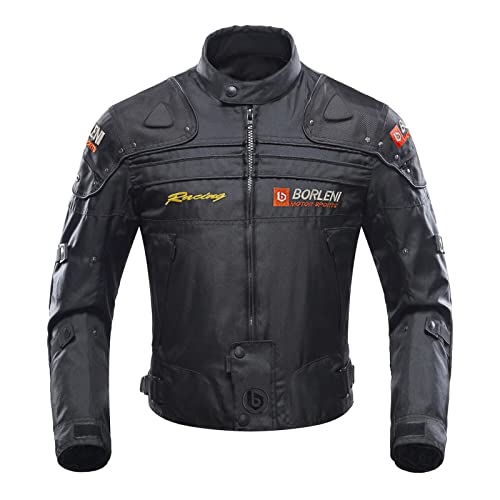
BORLEN Motorcycle Jacket Men Armor CE Certified D-020

baleaf Men’s Cycling Winter Jacket Green L
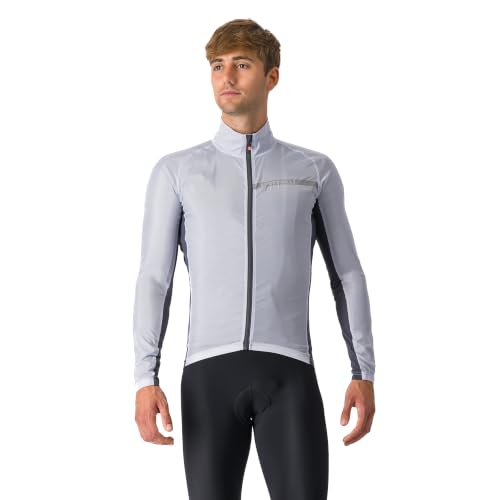
CASTELLI Men’s Squadra Stretch Jacket Large

UIQUR Mens Waterproof Cycling Jacket Black L
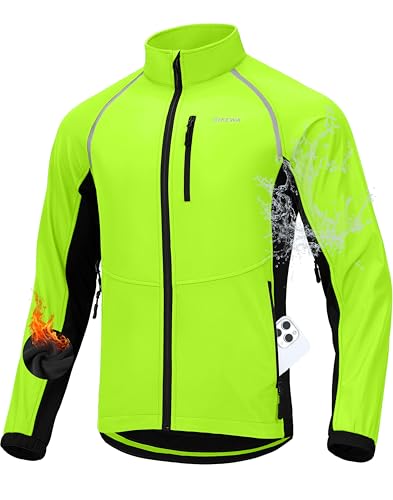
Men’s Winter Cycling Jacket Fluorescent Yellow Black L

YKYWBIKE Cycling Jackets Men Winter Thermal Bike Jacket

Bikewa Men’s Cycling Rain Jacket Waterproof Hooded
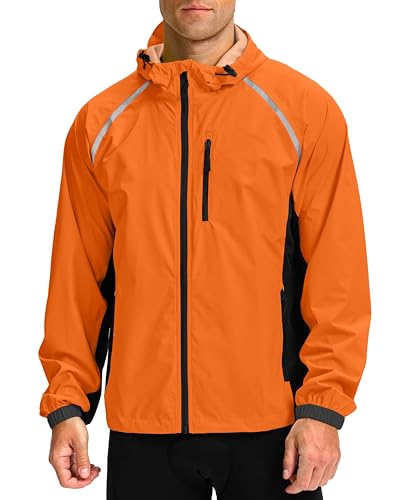
Bikewa Men’s Cycling Rain Jacket Lightweight Packable
The Picks, Examined More Closely
Motorcyclists gain the most here, because armor changes the purpose of a jacket. Shoulder, elbow, and back protectors sit inside a 600-denier polyester shell, where denier describes fabric thickness and abrasion resistance. A removable cotton liner adds winter warmth, and removal leaves a lighter shell for warmer months.
Adjustable cuffs, collar, and hem help seal drafts during longer rides. You can remove the liner for spring and autumn, keeping one jacket in rotation across seasons. Reflective striping on the back adds visibility after dark, in our view a practical touch for night riding.
Where It Delivers
- Removable CE shoulder and elbow protectors plus back pad
- Detachable warm liner for cold weather
- Adjustable fit at cuffs, collar, and hem
- Two zippered external pockets for valuables
Things To Consider
- Motorcycle use only, unlike cycling shells on this list
- Muscular builds may need one size up for layering
Cold-weather cyclists get a focused winter layer here, unlike the armored motorcycle jacket above. A three-layer softshell combines a windproof outer surface, a breathable membrane, and a fleece inner layer. Softshell means a stretchy, insulated fabric built for movement rather than rigid rain protection.
Two zippered chest vents help dump heat on climbs, and reflective elements sit on the chest, elbows, and back. Rear bellows pockets hold gloves and a neck gaiter, which suits long winter rides in most cool climates.
The Upside
- Three-layer construction for wind and warmth
- Chest vents for ventilation during effort
- Four pockets including two rear bellows pockets
Worth Noting
- Winter focused, unlike the BORLEN all-season motorcycle design
Who It Suits Best
Cyclists riding in 20 to 50 degree conditions who need storage for cold-weather gear.
Where Another Pick Suits Better
Motorcyclists needing armor should consider the BORLEN Motorcycle Jacket Men Armor CE Certified D-020 instead.
Road cyclists who prioritize a close fit will recognize the intent immediately. Coated ripstop nylon blocks wind across the front, back, and front of the sleeves, while stretch panels along the sides and sleeves keep the silhouette snug. That close-to-body cut reduces flapping at speed.
A high collar blocks drafts on daily commutes, and reflective details add low-light visibility. You may find sizing up gives a less compressive feel, especially between sizes or over a thicker base layer.
Practical Advantages
- Wind-resistant ripstop nylon shell
- Stretch panels for a close, mobile fit
- High collar against drafts
- Reflective details for low light
Trade Offs
- Minimal shell, unlike insulated winter jackets here
- Hand wash only care instruction
Wet-weather commuters get a simple rain layer without winter bulk. Polyester fabric provides waterproof and windproof coverage for cycling, running, hiking, and travel. A drawstring hood and hem adjust coverage, and elastic cuffs help seal out rain at the wrists.
Packability sets this apart from the Castelli shell above. A storage bag lets the jacket fold small for a backpack, and two large side pockets handle everyday items. Hand washing and hang drying help maintain the waterproof coating.
Everyday Perks
- Waterproof and windproof polyester shell
- Adjustable hood and hem for coverage
- Packable design with storage bag
Minor Gripes
- No insulation for cold winter rides
- Hand wash only, no ironing or bleaching
- Size based on daily wear habits
Made For
Commuters and travelers who need a packable rain layer for mild weather.
Consider Something Else When
Cold-weather riders should consider the baleaf Men’s Cycling Winter Jacket Green L for insulation.
Winter mountain bikers who carry a lot will appreciate the storage layout. Eight pockets include side zips, a chest zip, two inner pockets, and three rear pockets for gloves, a bottle, and valuables. Your hands can stay warm in side pockets on chilly days, and inner pockets keep a phone separate from outer layers.
A three-layer build pairs a windproof surface with a breathable membrane and fleece lining. Underarm zip vents release sweat heat, and a durable water repellent finish resists light moisture, dirt, and oil. Reflective front and back elements help visibility in low light.
Why It Works Well
- Eight pockets for phone, gloves, and bottle
- Three-layer fleece-lined construction
- Underarm vents for sweat release
- High collar and silicone waist grip
- Reflective front and back elements
Points To Note
- Water resistant finish, unlike fully waterproof shells
- No stretch fabric, unlike the Castelli design
Riders in milder winter conditions get a snug, soft layer rather than a bulky shell. Brushed fleece inside traps heat, and a high-cut collar blocks drafts. The stated range of 50 to 68 degrees suits shoulder-season rides in most temperate areas.
A polyester and spandex blend gives high stretch, so the jacket hugs the body and reduces wind resistance. An elastic silicone hem keeps the jacket positioned during riding, and four pockets include one back zip pocket plus three rear pockets.
Strong Points
- Soft brushed fleece inner layer
- High-stretch snug fit for cycling
- Four pockets including rear storage
- Anti-slip silicone hem
Small Caveats
- Thick jersey layering may need one size up
Travelers and wet-weather riders get a hooded shell with a rated membrane. A laminated TPU membrane, which is a thin waterproof film inside the fabric, carries a 5000mm waterproof rating and 3000g per square meter per 24 hours breathability. A durable water repellent finish adds surface resistance.
Underarm zips and back vents move sweat heat out during workouts. You can pack the ultralight fabric into the back pocket, which doubles as a storage pouch. Reflective elements on the front, back, and hood help visibility from multiple directions.
Key Advantages
- TPU membrane with stated waterproof rating
- Underarm zips and back vents
- Six pockets including packable back pocket
Areas To Watch
- No insulation, unlike winter thermal jackets
- Hooded design differs from hoodless cycling shells
Right Fit For
Riders and travelers who need rated waterproofing and ventilation in one shell.
Not Your Match When
Cold-weather riders should consider the Men’s Winter Cycling Jacket Fluorescent Yellow Black L for fleece warmth.
Multi-sport use shapes this hooded rain jacket, from cycling and running to hiking and golf. The same TPU membrane construction as the previous Bikewa option provides waterproof and windproof coverage with breathability for active effort. An adjustable elastic drawcord at the hem tunes the fit against drafts.
Storage covers phones, gloves, cards, and keys across front, inner, and back pockets. Reflective elements on the front, back, and hood support visibility, and the nonbulky fabric packs down for travel. In our view, the drawcord hem is a useful detail for changing weather.
The Case For It
- Waterproof TPU membrane construction
- Adjustable hem drawcord for fit
- Multiple pockets for essentials
- Lightweight packable fabric
Honest Caveats
- Rain shell only, with no warm liner
- Similar membrane build to the other Bikewa jacket
- Ventilation relies on underarm and back openings
What Matters Most Before Choosing Bike Jackets For Men
Weather Protection First
Windproof, water resistant, and waterproof describe different levels of protection. Water resistant finishes shed light moisture, while waterproof membranes block rain more fully. Your riding season and typical weather should drive that choice.
Fit and Layering
Close-fitting cycling jackets reduce flapping, while regular fits leave room for base layers. Stretch fabric helps movement, and silicone hems keep a jacket positioned in a riding posture. Check sizing notes for thick jerseys or muscular builds.
Storage and Visibility
Rear pockets suit gloves and bottles, while chest and inner pockets keep a phone secure. Reflective elements on the front, back, and sleeves matter for low-light commutes. Packability matters for travelers who carry a shell daily.
Key Considerations Across These Picks
Common Shopping Slip Ups
Many shoppers pick a winter jacket for mild rain, or a rain shell for freezing rides. Matching insulation to temperature range avoids that mismatch. Checking care instructions also helps, since hand wash only shells need gentler handling.
What The Higher Tier Buys
Higher-tier shells often add rated membranes, stretch panels, and more ventilation options. Those details help during hard efforts and prolonged rain. A simpler shell remains a sound choice for short, mild-weather rides.
Frequently Asked Questions
What is the difference between water resistant and waterproof?
Water resistant fabric sheds light moisture through a surface finish. Waterproof fabric uses a membrane designed to block rain more fully.
Which jacket suits motorcycle riding?
The BORLEN option includes removable shoulder, elbow, and back protectors. Cycling shells on this list lack that armor.
How should cycling jacket sizing work?
Close-fitting jackets sit snug against the body for aerodynamics. Sizing up helps with thick base layers or between-size measurements.
What temperature range suits a fleece-lined jacket?
The YKYWBIKE jacket lists 50 to 68 degrees Fahrenheit for riding. Colder conditions suit three-layer winter jackets with fleece lining.
Why do rear pockets matter on cycling jackets?
Rear pockets hold gloves, a neck gaiter, and a bottle within easy reach. That placement keeps essentials accessible while riding.
Final Verdict
Motorcyclists should start with the BORLEN armored jacket, while cold-weather cyclists should weigh the baleaf and fluorescent yellow winter options for insulation and storage. Rain-focused riders get stronger membrane protection from the Bikewa hooded jackets. Your climate and riding style remain the clearest guide.